finance
Pediatricians Group Issues Updated Guidance Calling for Protected School Recess
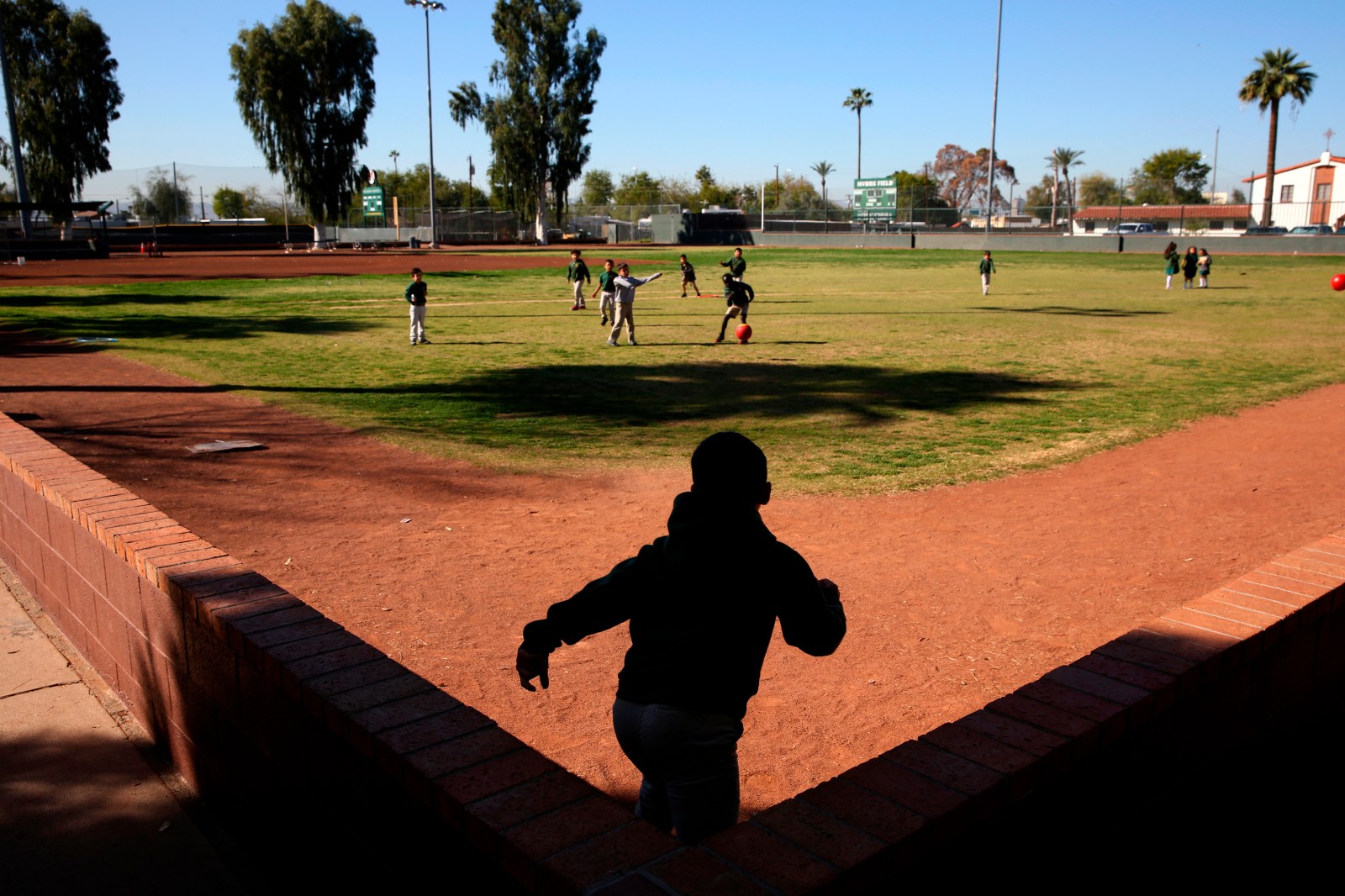
The American Academy of Pediatrics released its first updated policy statement on recess in 13 years. The guidance recommends that schools protect unstructured play time and never withhold it for academic or disciplinary reasons. It cites research linking recess to improved academic performance, physical health and social development.
May 11, 2:16 PM·2m read1 source
 winnipegfreepress.com
Audio version
Tap play to generate a narrated version.
Developing·Limited corroboration so far. This page will refresh as more sources emerge.
The American Academy of Pediatrics has issued updated guidance that calls on schools to protect recess as an essential part of the school day. The policy statement, published Monday in the journal Pediatrics, is the group's first update in 13 years.
It emphasizes that recess supports children's academic success as well as their mental, physical, social and emotional development. The statement comes as recess periods have declined in many schools over the past two decades. A lead author of the statement said the group has always supported free play for children but that such opportunities have become increasingly threatened.
The push for higher test scores has contributed to reduced recess time in some districts. New research cited in the guidance shows that children need breaks between periods of focused learning for the brain to process and store information. Recess also provides opportunities for children to navigate social relationships and build confidence, benefits that apply to both younger and older students.
The guidance recommends that recess never be withheld as punishment or for academic reasons. Students who struggle with behavior or grades are often those who would benefit most from the break, one of the authors noted. Physical activity during recess plays a role in addressing childhood obesity, which affects about 1 in 5 U.S. children and teens.
The statement calls for a minimum of 20 minutes of recess daily, with multiple breaks where possible.
Springboard to Active Schools in collaboration with the U.S. Centers for Disease Control and Prevention indicate that up to 40 percent of school districts have reduced or eliminated recess since the mid-2000s. Current recess durations vary widely, from less than 10 minutes to more than an hour per day.