technology
Penn State Engineers Develop Paint-On Electronic Tattoo for Heart Monitoring
Penn State researchers created a conductive ink that dries into flexible electrodes on the skin. The system captured ECG and EMG signals during daily activities and exercise. A provisional patent has been filed and findings appeared in a scientific journal earlier this month.
Jul 21, 7:14 AM·1m read1 source
 Fox News
Audio version
Tap play to generate a narrated version.
Developing·Limited corroboration so far. This page will refresh as more sources emerge.
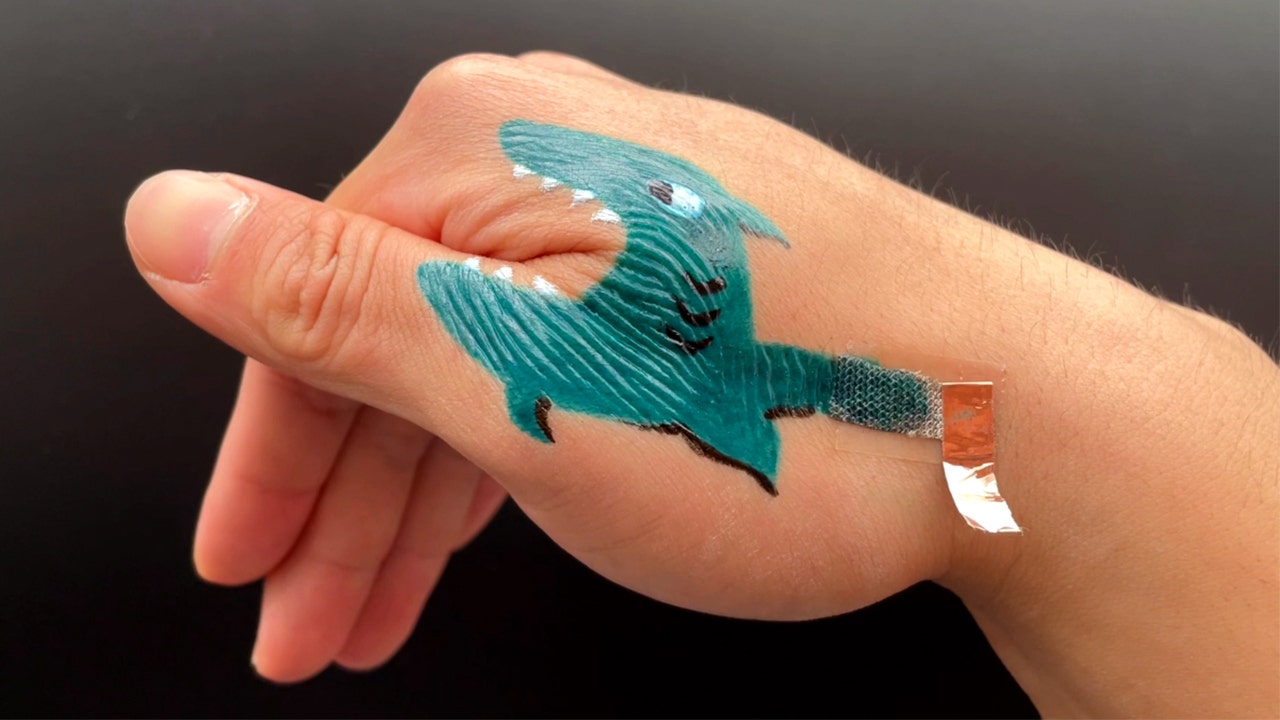
Penn State engineers developed a paint-on electronic tattoo made from conductive ink that monitors the electrical activity of the heart, Fox News reported. Researchers apply the ink directly to the skin, where it dries into a working electrode within less than 10 minutes. The team can add food dye to produce almost any color or design.
The ink is created by mixing several polymers and acidic additives into a water-based solution. After drying, the electrode collects electrical signals from the body. A piece of porous silver textile connects the dried electrode to an electronic module that transmits data via Bluetooth.
The textile allowed the electrode to stretch beyond 150 percent of its original size without breaking. In one test, a co-author wore the electrodes during normal daily activities for 12 hours while the system tracked ECG readings. Another co-author wore the electrodes during exercise, and the material remained attached while recording accurate signals.
Researchers also painted an electrode on a co-author's forearm that captured EMG signals from muscle contractions and sent them to a robotic prosthetic hand. The research paper describes EEG detection through hair and reported no image artifact during MRI testing. One bottle of ink could contain enough material for several applications over multiple days or a week.
Penn State has filed a provisional patent for the technology, and the researchers published their findings in the Proceedings of the National Academy of Sciences earlier this month. The electrodes can wash away after use, allowing a fresh set to be applied while the electronic module is reused.