Pentagon Reports $25 Billion Cost for Iran War
The U.S. has spent $25 billion on the ongoing war with Iran, according to Pentagon testimony before Congress. Defense Secretary Pete Hegseth defended the conflict during his first appearance on Capitol Hill since the war began, while oil prices surged above $118 per barrel amid reports of an extended blockade.
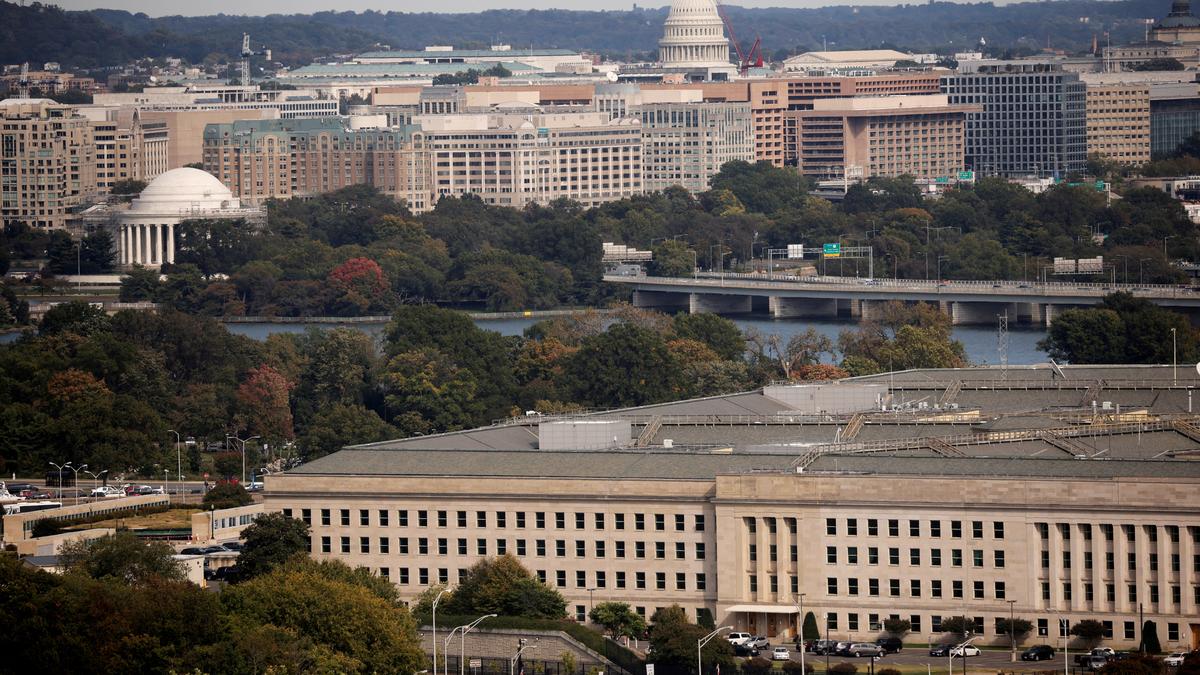
The U.S. war with Iran has cost $25 billion so far, according to acting Pentagon comptroller Jules Hurst, who disclosed the figure during testimony before the House Armed Services Committee on April 29, 2026. Hurst appeared alongside Defense Secretary Pete Hegseth and Chairman of the Joint Chiefs of Staff Gen.
Dan Caine to discuss the Defense Department's $1.5 trillion budget request. This marked Hegseth's first public testimony on Capitol Hill since June 2025, before the conflict started.
and Strategy Questions Lawmakers
questioned the Trump administration's overall strategy in Iran, particularly as peace talks appear stalled. Adam Smith, the ranking member, noted that President Trump's earlier statements about Iran agreeing to concessions, including on its nuclear program and the Strait of Hormuz, have not materialized.
>"So wish fulfillment is not really a strategy. " — Rep. Adam Smith, April 29, 2026 (CBS News) Hegseth, in his opening remarks, described the conflict as an existential fight for American safety and criticized congressional Democrats and some Republicans for what he called reckless and defeatist rhetoric.
He referenced the durations of past conflicts in Iraq and Afghanistan, noting the Iran war is only two months in. Mike Rogers, the committee chairman, highlighted low global munition stockpiles and the need for rapid restocking. Hegseth outlined Pentagon efforts to boost production of 14 critical munitions, including Patriot and THAAD interceptors, SM-3s, SM-6s, AMRAAMs, JASSMs, and PrSMs.
At the war's outset, President Trump stated it would last four to six weeks. The conflict reaches its 60-day mark on May 1, 2026, prompting discussions in Congress about the War Powers Resolution, which requires termination of unauthorized operations within 60 days unless Congress approves continuation.
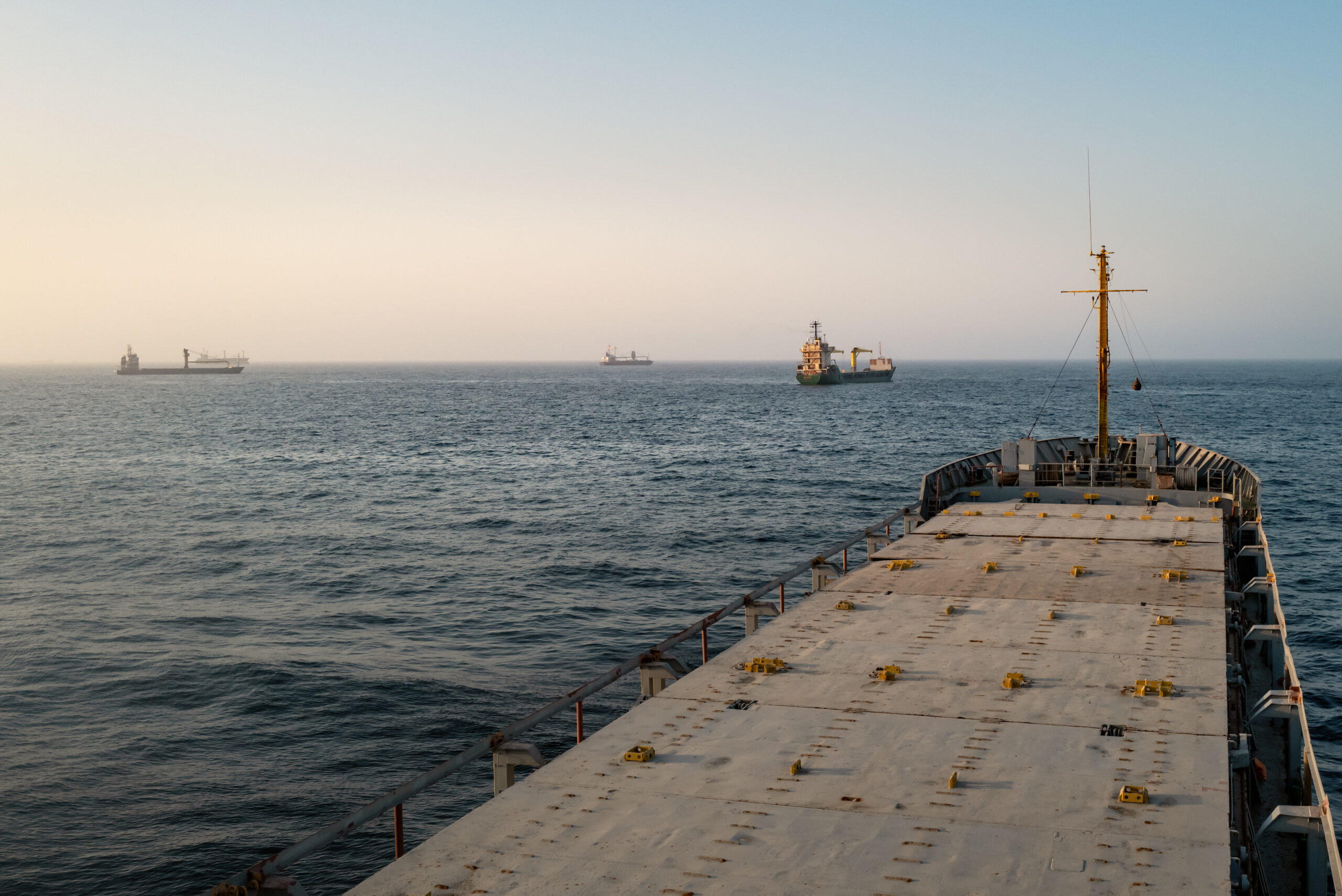
rejected Iran's latest offer, stating the blockade of the Strait of Hormuz will remain in place. U.S. Iran announced fuel rationing as Brent crude oil prices topped $119 per barrel on April 29, 2026, surpassing previous highs during the conflict. The blockade aims to cripple Iran's oil infrastructure, dimming prospects for a deal to reopen the strait.
Sen. Thom Tillis suggested authorizing the war for one year to send a signal to Iran, while Sen. Lisa Murkowski urged the administration to consult Congress. U.S. gas prices hit their highest level in four years on April 28, 2026, amid elevated oil costs from the Middle East conflict.
U.S. stocks sank following reports of planned strikes on Iran.
The measures loosen state aid rules and cover up to 70% of additional expenses through the end of 2026. Agriculture Secretary Brooke Rollins announced plans to reshore U.S. fertilizer production, projecting a 30% increase in domestic nitrogen output over several years, in response to price spikes from the conflict.
The United Arab Emirates announced its departure from OPEC amid tensions with Saudi Arabia and war-related chaos. French oil major TotalEnergies reported a 29% rise in first-quarter adjusted net income to $5.4 billion, driven by higher oil prices and strong trading results following the Iran war.
The company raised its interim dividend by 6%.
leaders expressed skepticism about the U.S. strategy. German Chancellor Friedrich Merz described the war as ill-considered and lacking a clear exit, noting Iran's negotiating strength. A poll by IPSOS showed 88% of Germans, 82% of French, 83% of Britons, and 84% of Italians oppose their countries' involvement in the Middle East conflict.
The survey also indicated 35% of Europeans view China as having a positive influence on world affairs, compared to 28% for the United States. Spain's Prime Minister Pedro Sanchez leads an anti-war stance in Europe, while France and Italy have sought bilateral deals with Iran for ship passage through the Strait of Hormuz.
The United Kingdom has distanced itself from the war. The conflict has exacerbated global tensions, including in Ukraine, where it has confirmed the centrality of drones in warfare. The war has also drawn attention to online content laws in the UAE, leading to arrests.
Key Facts
Story Timeline
6 events- Today — April 29, 2026
Defense Secretary Pete Hegseth testified before Congress, revealing $25 billion war costs and defending the Iran strategy.
8 sourcesCBS News · The New York Times · AFP - April 28, 2026 — 1 day ago
U.S. gas prices reached their highest level in four years amid elevated oil costs from the conflict.
2 sourcesZeroHedge · BBC News - April 2026 — earlier this month
President Trump rejected Iran's latest offer and stated the Strait of Hormuz blockade will continue.
5 sourcesInvestingcom · YahooFinance · The War Zone - March 1, 2026 — 60 days ago
The U.S.-Iran war began, with President Trump initially estimating it would last four to six weeks.
4 sourcesNBCNews · ZeroHedge · CBS News - February 2026
U.S. and Israel conducted attacks on Iran following protests in the country.
1 sourceResponsible Statecraft - June 2025
Israel launched an attack on Iran during U.S.-Tehran negotiations.
1 sourceResponsible Statecraft
Potential Impact
- 01
Congress will debate war authorization under the War Powers Resolution after the 60-day mark.
- 02
Global munition production will increase, focusing on 14 critical U.S. systems.
- 03
U.S. gas prices will remain elevated, pressuring Republicans ahead of November midterm elections.
- 04
European countries will pursue bilateral deals with Iran for Strait of Hormuz passage.
- 05
Oil trading profits will rise for majors like TotalEnergies due to sustained high prices.
- 06
Fertilizer prices will drive U.S. reshoring efforts, boosting domestic nitrogen output by 30%.
Transparency Panel
Related Stories
The GuardianWHO Chief Visits DRC as Ebola Death Rate Reaches 30-50%
World Health Organization director-general Tedros Adhanom Ghebreyesus arrived in the Democratic Republic of the Congo to support containment of a new Ebola outbreak. The agency revised the death rate to 30-50% based on confirmed cases and recorded 10 confirmed and 223 suspected d…
westernjournal.comGreek National Charged in UK With Aiding Iran-Linked Intelligence Service
A 46-year-old Greek man living in Germany was charged under the UK National Security Act with assisting an intelligence service believed to be Iran by targeting a journalist at Iran International.
straitstimes.comJournalists in Gaza to Receive 2026 Golden Pen of Freedom Award
Three international news agencies will accept the award on behalf of their local staff still reporting from the territory. The World Association of News Publishers cited the journalists' continued coverage under extreme conditions.