politics
Pentagon Discontinued Civilian Harm Mitigation Program Required by Federal Law
The Pentagon no longer maintains the people, tools or infrastructure needed to comply with two federal statutes on civilian casualties in military operations, its inspector general reported. The program was created in 2022. The report was released on May 13, 2026.
May 15, 5:34 PM·2m read1 source
 azernews.az
Audio version
Tap play to generate a narrated version.
Developing·Limited corroboration so far. This page will refresh as more sources emerge.
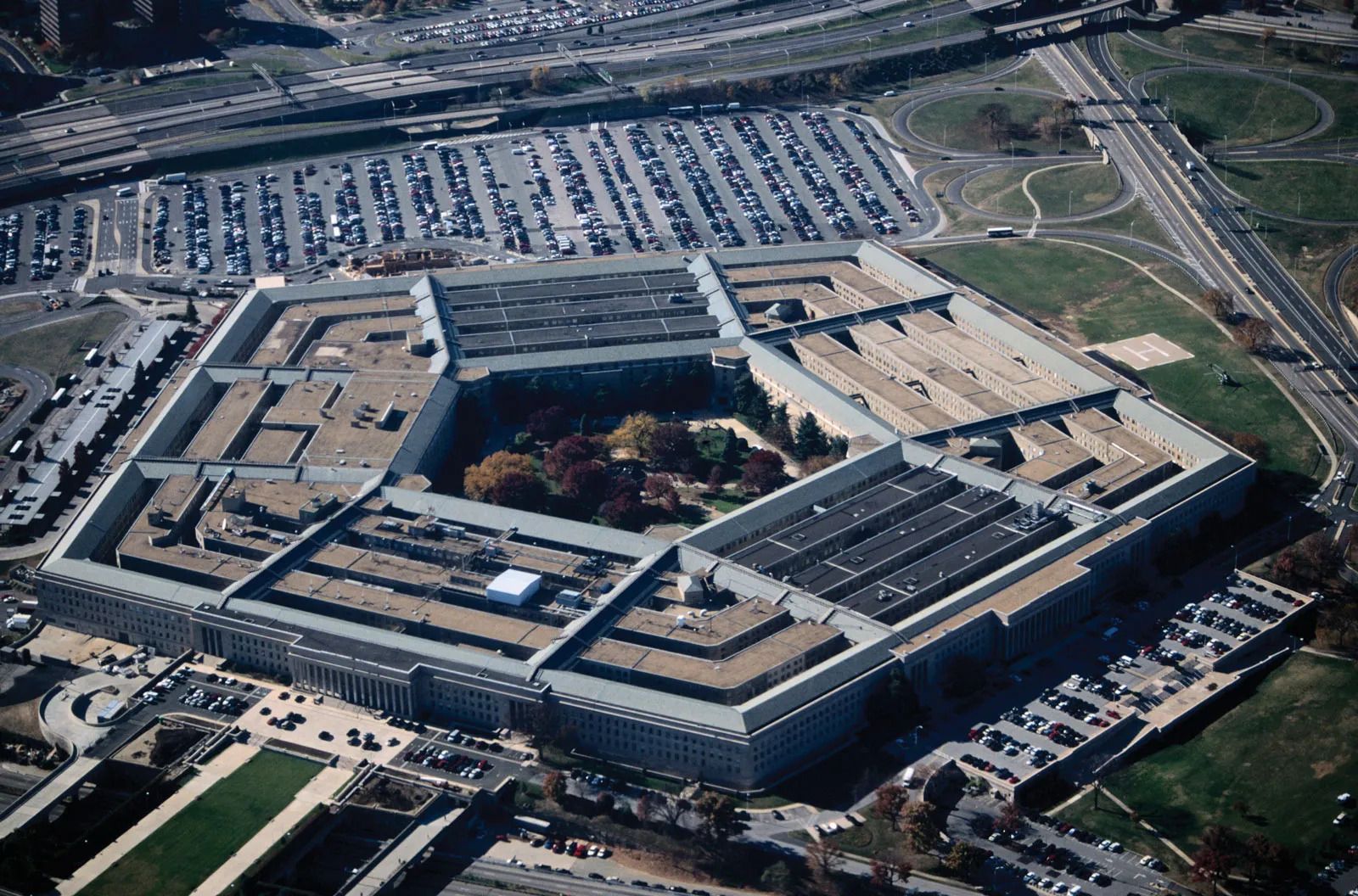
The Pentagon has quietly dismantled a program it is legally required to operate to prevent and respond to civilian deaths in U.S. military operations, according to its internal watchdog. A report released by the department’s inspector general concluded the U.S. military no longer has the people, tools or infrastructure needed to comply with two federal statutes requiring it to maintain a functioning civilian casualty policy and operate a Civilian Protection Center of Excellence.
While the program has not been officially canceled, the inspector general’s report said that funding had ended for a data management platform, committee meetings had halted, and many dedicated personnel had been lost or reassigned. As a result, the department may not comply with its civilian casualties and harm policy, a policy required by federal law.
The Pentagon did not respond to a request for comment.
The inspector general’s report, published on May 13, points to an inflection point in February when two senior officials separately proposed that the program be cut or eliminated. One proposal recommended scrapping its action plan and its underpinning departmental instruction entirely.
Then, without waiting for a response, the military began acting as if the cuts had already been approved. The CHMR steering committee held its last meeting in December. One combatant command official told the inspector general that their command had largely divested their civilian harm mitigation and response personnel, functions and responsibilities as of March 2025.
Another official said they did not want to spend resources on actions or making future commitments for a program that may be significantly changed. The report found that the steering committee did not assign clear offices of primary responsibility to each of the program’s 133 actions until December, which was the final year of a four-year plan.