Pentagon Signs AI Contracts with Eight Tech Firms to Build AI-First Military
The U.S. Department of Defense has entered into agreements with eight major technology companies to expand artificial intelligence use across military operations. The deals aim to integrate AI for lawful purposes while avoiding reliance on any single provider. This move follows a dispute with Anthropic, which is suing over alleged retaliation for refusing similar terms.
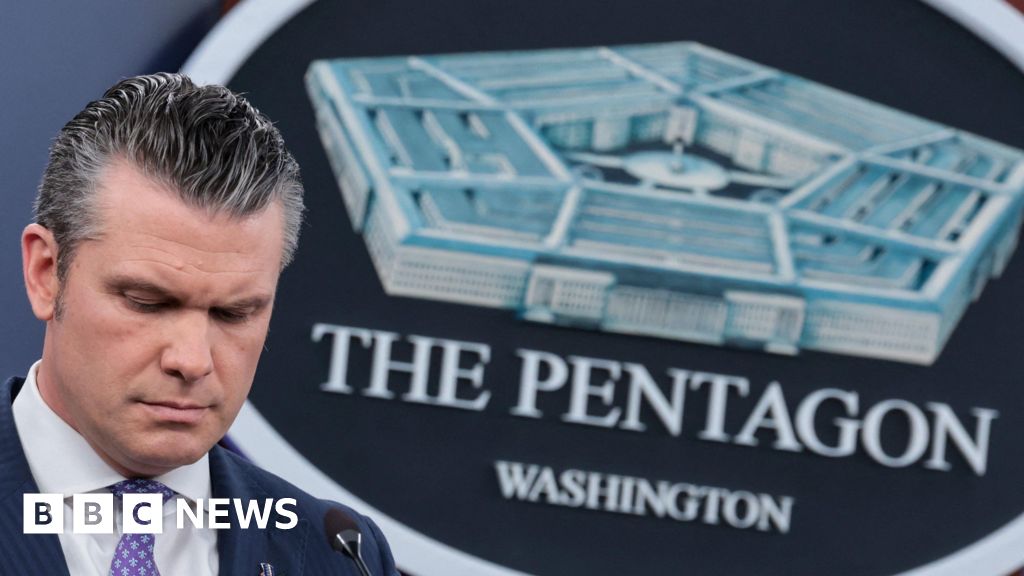
The Pentagon announced eight new contracts with leading technology companies to accelerate the integration of artificial intelligence into U.S. military operations, stating the agreements will transform the military into an AI-first fighting force. These deals involve Google, OpenAI, Amazon, Microsoft, SpaceX, Oracle, Nvidia, and the startup Reflection, allowing their AI tools for any lawful operational use.
The Pentagon emphasized that partnering with multiple firms prevents vendor lock-in and provides diverse capabilities to warfighters.
More than a million defense department personnel have used the military's AI platform since its launch last year, reducing task times from months to days. For instance, the Army XVIII Airborne Corps shortened operations order creation from nine to 12 months to about six weeks using generative AI.
The agreements build on existing relationships, such as OpenAI's deal signed in February and Google's Gemini now handling classified government work for the first time. SpaceX, through its xAI subsidiary, will provide tools like the Grok chatbot, while Nvidia and Reflection contribute open-source models Nemotron and Reflection 70B.
Microsoft, Amazon Web Services, and Oracle will continue providing cloud services tailored for government and military deployment of AI models.
Anthropic was notably absent from the contracts after refusing terms allowing any lawful use, citing concerns over potential applications in warfare and domestic surveillance. The company is suing the government, alleging retaliation when the Pentagon labeled it a supply chain risk in March, a designation that barred its tools from certain settings.
Anthropic's CEO Dario Amodei publicly expressed fears about AI enabling mass surveillance and autonomous weapons. Despite the fallout, Anthropic's Claude model remains in use in some government agencies, and talks continue with the White House about a possible new deal.
leadership amid global competition, particularly with China. A recent White House memo highlighted foreign attempts, mainly from China, to steal U.S. AI systems, prompting efforts to share information and develop defenses. Defense officials affirmed that AI will not make lethal decisions, with humans retaining control, in line with legal requirements.
The strategy includes accelerating intelligence analysis and AI-aided simulations to enhance decision-making and domain awareness. Earlier this year, hundreds of Google employees urged their company not to deepen government ties, in a letter to CEO Sundar Pichai.
The Pentagon's push includes tools like Project Maven, which uses AI to synthesize intelligence data for targeting, as demonstrated in operations involving real-time satellite and surveillance inputs.
The U.S. is intensifying AI adoption to counter advancements by adversaries, such as China's autonomous drones displayed in a recent military parade. Pentagon officials noted that AI integration spans all technology areas, from routine tasks to kinetic operations, to ensure a dominant advantage.
Anthropic recently unveiled its Mythos AI platform for identifying software vulnerabilities, sharing it with organizations maintaining critical infrastructure but not releasing it publicly. The Pentagon distinguished this from the contract dispute, emphasizing the need to harden networks against cyber threats.
“We will become an ‘AI-first’ warfighting force across all domains." — Secretary of War Pete Hegseth The contracts reflect a broader effort under the current administration to overhaul Pentagon operations with private sector input, drawing on expertise from tech and business backgrounds.”
Key Facts
Story Timeline
6 events- 3 days ago
Pentagon announced eight AI contracts with tech firms for military use.
2 sourcesBBC News · Washington Examiner - Apr 17, 2026
Anthropic CEO Dario Amodei met with White House officials about a potential deal.
1 sourceWashington Examiner - March 2026
Pentagon labeled Anthropic a supply chain risk after contract disputes.
2 sourcesBBC News · Washington Examiner - February 2026
OpenAI signed an initial AI contract with the Pentagon.
1 sourceBBC News - January 2026
Pentagon released its AI Acceleration Strategy.
1 sourceWashington Examiner - December 2025
Pentagon launched GenAI.mil platform with Google Cloud's Gemini.
1 sourceWashington Examiner
Potential Impact
- 01
U.S. military will integrate more AI tools for faster intelligence analysis and decision-making.
- 02
Anthropic's lawsuit could set precedents for AI ethics in defense contracts.
- 03
Tech firms will gain expanded access to classified government work, boosting revenues.
- 04
Increased U.S. AI focus may escalate global arms race with China.
- 05
Defense personnel will reduce task times, enhancing operational efficiency.
- 06
Employee protests at firms like Google could lead to internal policy reviews.
Transparency Panel
Related Stories
naturalnews.comBrockman Testifies on Heated 2017 Dispute with Musk Over OpenAI's For-Profit Shift in Federal Trial
OpenAI President Greg Brockman detailed a heated 2017 confrontation with Elon Musk during testimony in the federal trial Musk v. Altman. He described Musk storming around a table and grabbing a painting after rejecting shared control proposals. The lawsuit seeks $150 billion in d…
thenation.comPublishing Houses, Scott Turow Sue Meta Over AI Training Data Copyright
Five major publishing houses and author Scott Turow filed a class action lawsuit against Meta and CEO Mark Zuckerberg, alleging the company illegally used millions of copyrighted books and journal articles to train its Llama AI model. The suit, filed in federal court in Manhattan…
Italian Prime Minister Meloni Warns of AI-Generated Deepfakes and Shares Altered Image
Italian Prime Minister Giorgia Meloni highlighted risks from AI-generated fake images, noting one depicting her in underwear and urging verification of online content. She filed a libel suit two years ago over similar deepfake images. Meanwhile, U.S. Secretary of State Marco Rubi…