Substrate
ai

Pentagon Signs AI Deals with Several Companies After Blacklisting Anthropic Over Safeguard Concerns

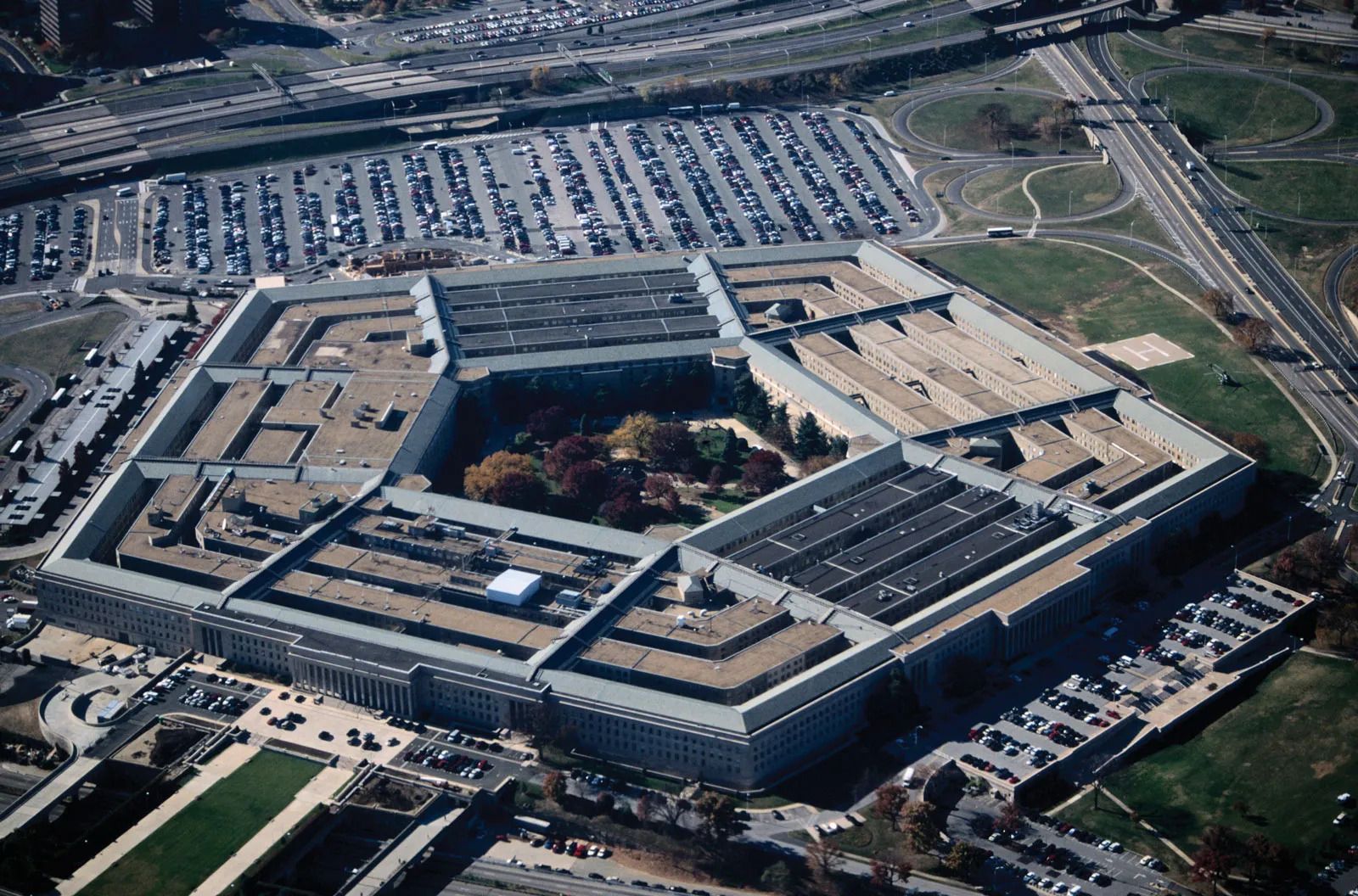
The Pentagon announced contracts with multiple technology firms for AI tools to support military operations, excluding Anthropic due to its refusal to remove certain safeguards. Anthropic had warned about risks of AI for mass domestic surveillance and autonomous weapons. The deals follow a clash stemming from a January memo requiring unrestricted AI use.

DA
dailycaller.com
reason.com
3 sources·May 5, 5:48 PM(11 hrs ago)·2m read
|
Pentagon Signs AI Deals with Several Companies After Blacklisting Anthropic Over Safeguard Concernsazernews.az
Audio version
Tap play to generate a narrated version.

War stated in a January memo that it would contract only with artificial intelligence companies agreeing to any lawful use and willing to remove safeguards related to surveillance and autonomous weapons. This policy led to a conflict with Anthropic, the company behind the AI models Claude and Claude Myhtos.

Anthropic released a statement in late February supporting AI use for defending the United States and other democracies against adversaries like China, but it also highlighted potential abuses. Anthropic warned that in a narrow set of cases, the government could misuse AI for mass domestic surveillance, which it described as incompatible with democratic values.

The company expressed concerns about fully autonomous AI weapons lacking reliability without proper guardrails. This position connected to ongoing debates about the Foreign Intelligence Surveillance Act.

We support the use of AI for lawful foreign intelligence and counterintelligence missions. But using these systems for mass domestic surveillance is incompatible with democratic values. Anthropic sued the Pentagon in March to reverse this blacklisting. These companies agreed to the military's terms for unrestricted use. The agreements reflect a broader industry shift toward competitive AI development. For instance, OpenAI, founded with principles of altruism and transparency, later focused on commercializing products like ChatGPT and increasing secrecy, according to a book by investigative reporter Karen Hao.

Musk filed a lawsuit against OpenAI, arguing that its CEO Sam Altman and president Greg Brockman should not run a for-profit company due to trustworthiness concerns. Musk has stated that AI poses an existential threat to humanity. The lawsuit highlights changes in OpenAI's approach from its original goals of preventing AI abuse.

Karen Hao's book noted that OpenAI abandoned early commitments to transparency and democratic governance in the early 2020s, accelerating commercialization without addressing potential harms. This evolution mirrors trends in the AI sector, where initial prudence gave way to rapid advancement.

The Pentagon's decisions align with this industry dynamic, opting for partners willing to forgo certain restrictions.

Key Facts

Pentagon deals
contracts with seven AI firms for military use
Anthropic blacklisted
designated as supply chain risk by Pentagon
Anthropic warning
AI risks mass domestic surveillance
Anthropic lawsuit
filed in March against blacklisting
OpenAI shift
from altruism to commercialization per book

Story Timeline

4 events
  1. May 1, 2026

    Pentagon announced AI deals with Google, Microsoft, Amazon Web Services, Nvidia, OpenAI, Reflection, and SpaceX.

    1 source@DailyCaller
  2. March 2026

    Anthropic sued the Pentagon to reverse its blacklisting as a supply chain risk.

    1 source@DailyCaller
  3. Late February 2026

    Anthropic released a statement warning about AI risks for domestic surveillance and autonomous weapons.

    1 source@DailyCaller
  4. January 2026

    Department of War issued a memo requiring AI companies to agree to any lawful use without safeguards.

    1 source@DailyCaller

Potential Impact

  1. 01

    The contracts could enhance military AI capabilities, improving decision-making in operations.

  2. 02

    Anthropic's exclusion might limit its government revenue and prompt further legal challenges.

  3. 03

    Industry trends may accelerate AI development without safeguards, raising civil liberties concerns.

  4. 04

    Ongoing lawsuits like Musk's against OpenAI could influence corporate governance in AI firms.

Transparency Panel

Sources cross-referenced3
Confidence score65%
Synthesized bySubstrate AI
Word count337 words
PublishedMay 5, 2026, 5:48 PM
Bias signals removed4 across 2 outlets
Signal Breakdown
Loaded 2Editorializing 1Framing 1

Related Stories

Publishing Houses, Scott Turow Sue Meta Over AI Training Data Copyrightthenation.com
ai1 hr agoFraming55Framing risk55/100Rewrite inherits negative framing of Meta's actions through loaded verbs and phrases, with lede misdirection centering on lawsuit filing over core infringement allegations.Click to jump to full framing analysis

Publishing Houses, Scott Turow Sue Meta Over AI Training Data Copyright

Five major publishing houses and author Scott Turow filed a class action lawsuit against Meta and CEO Mark Zuckerberg, alleging the company illegally used millions of copyrighted books and journal articles to train its Llama AI model. The suit, filed in federal court in Manhattan…

fortune.com
The Washington Post
Financial Times
NPR
4 sources
Brockman Testifies on Heated 2017 Dispute with Musk Over OpenAI's For-Profit Shift in Federal Trialfrance24.com
ai5 hrs ago

Brockman Testifies on Heated 2017 Dispute with Musk Over OpenAI's For-Profit Shift in Federal Trial

OpenAI President Greg Brockman detailed a heated 2017 confrontation with Elon Musk during testimony in the federal trial Musk v. Altman. He described Musk storming around a table and grabbing a painting after rejecting shared control proposals. The lawsuit seeks $150 billion in d…

The New York Times
Wired
New York Post
3 sources
Anthropic Launches AI Agents for Finance Amid Investments and Pentagon Exclusionthehindu.com
ai5 hrs ago

Anthropic Launches AI Agents for Finance Amid Investments and Pentagon Exclusion

Anthropic introduced 10 new AI agents designed to automate routine tasks in the financial sector, such as building models and preparing pitches. Major tech firms reported significant profit gains from their stakes in the company, while the Pentagon announced deals with other AI p…

Bloomberg
The New York Times
Fortune
Business Insider
Defense News
5 sources