world
Personalized mRNA Vaccine Shows Reduced Melanoma Recurrence in Small Phase 2 Trial
A Moderna and Merck experimental vaccine cut melanoma recurrence risk by half in a five-year trial. Results were presented June 1, 2026, at the American Society of Clinical Oncology meeting.
Jun 1, 7:20 PM·2m read1 source
 Nbc News
Audio version
Tap play to generate a narrated version.
Developing·Limited corroboration so far. This page will refresh as more sources emerge.
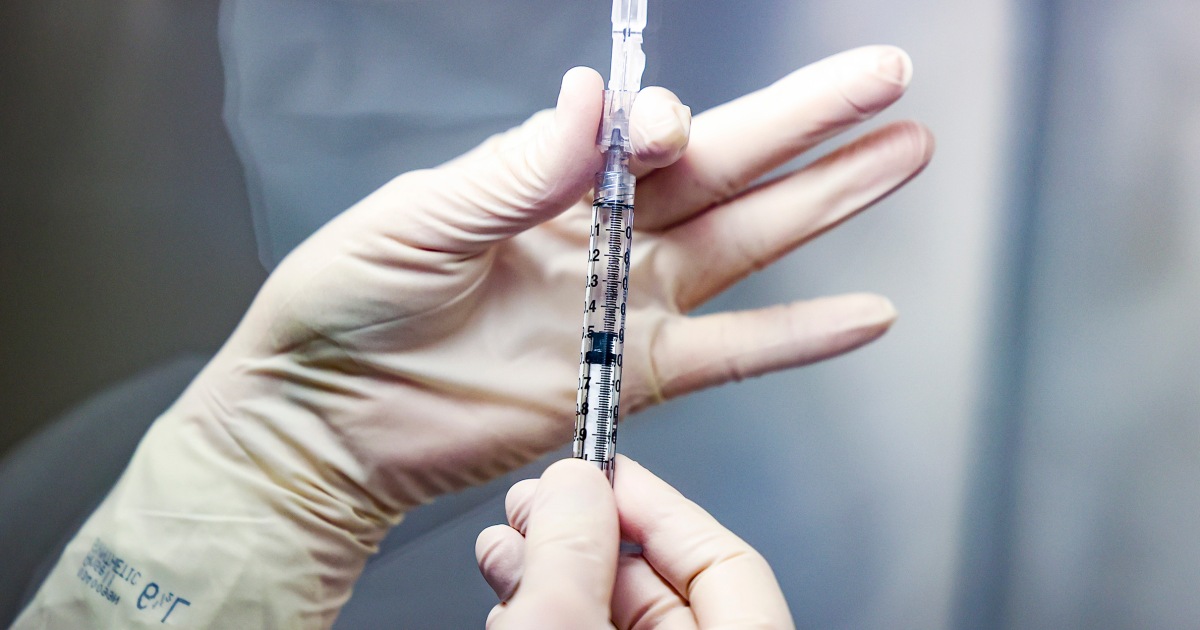
A personalized mRNA vaccine developed by Moderna and Merck halved the risk of melanoma returning after five years, according to clinical trial results presented June 1, 2026, at the American Society of Clinical Oncology’s annual meeting and published in the Journal of Clinical Oncology.
In the trial, 50 patients received standard treatment of surgery followed by pembrolizumab, also known as Keytruda. Another 107 patients received the same standard treatment plus a personalized mRNA vaccine tailored to their specific tumor.
All participants had at least Stage 3 melanoma. Five years later, nearly 70 percent of people in the vaccine group were cancer-free, compared with 49 percent in the standard treatment group. Adding the vaccine also cut the risk of the cancer metastasizing by nearly 60 percent.
The vaccine was designed using genetic material from each patient’s tumor to target neoantigens. Each dose contained information for the immune system to identify 34 of the top neoantigens. Vaccines were usually ready four to six weeks after surgery, and patients received up to nine doses spaced about three weeks apart, aligned with pembrolizumab treatments.
Dr. Janice Mehnert, director of the melanoma and cutaneous medical oncology program at NYU Langone Health in New York and senior trial investigator, said the results of a larger Phase 3 trial that enrolled 1,000 patients and expanded to Europe will provide clearer evidence on whether the approach reduces recurrence risk.
All patients in that trial have finished treatment, and researchers are compiling the results.
Mehnert and her team would like to develop the personalized vaccines three to four weeks after surgery to deliver the therapy earlier. In the current study, patients began receiving vaccines during their third or fourth cycle of pembrolizumab. People in the trial reported flu-like side effects such as chills and headaches that lasted a couple of days.