Peru presidential runoff vote gap narrows to under 20,000 ballots
With 96 percent of ballots counted, nationalist congressman Roberto Sánchez holds 50.055 percent and conservative politician Keiko Fujimori holds 49.945 percent. The winner will become Peru’s ninth president in ten years and will be sworn in on July 28.
 abcnews.go.com
The gap between Peru’s two presidential candidates narrowed to less than 20,000 votes Tuesday with 96 percent of ballots counted after Sunday’s runoff contest. Official figures showed nationalist congressman Roberto Sánchez with 50.055 percent of votes, while conservative politician Keiko Fujimori had 49.945 percent. The electoral body has counted more than 17.8 million votes.
Background on the candidates Fujimori, the daughter of a disgraced former president, and Sánchez, an ally of an imprisoned ex-president, beat 33 other candidates in the initial vote in April, but neither earned even 20 percent of support. Electoral authorities took more than a month to declare them winners of that contest.
The country’s chief electoral authority has said the outcome of Sunday’s vote will be available within 30 days. He asked voters and political organizations to “act with democratic responsibility” as the counting continues.
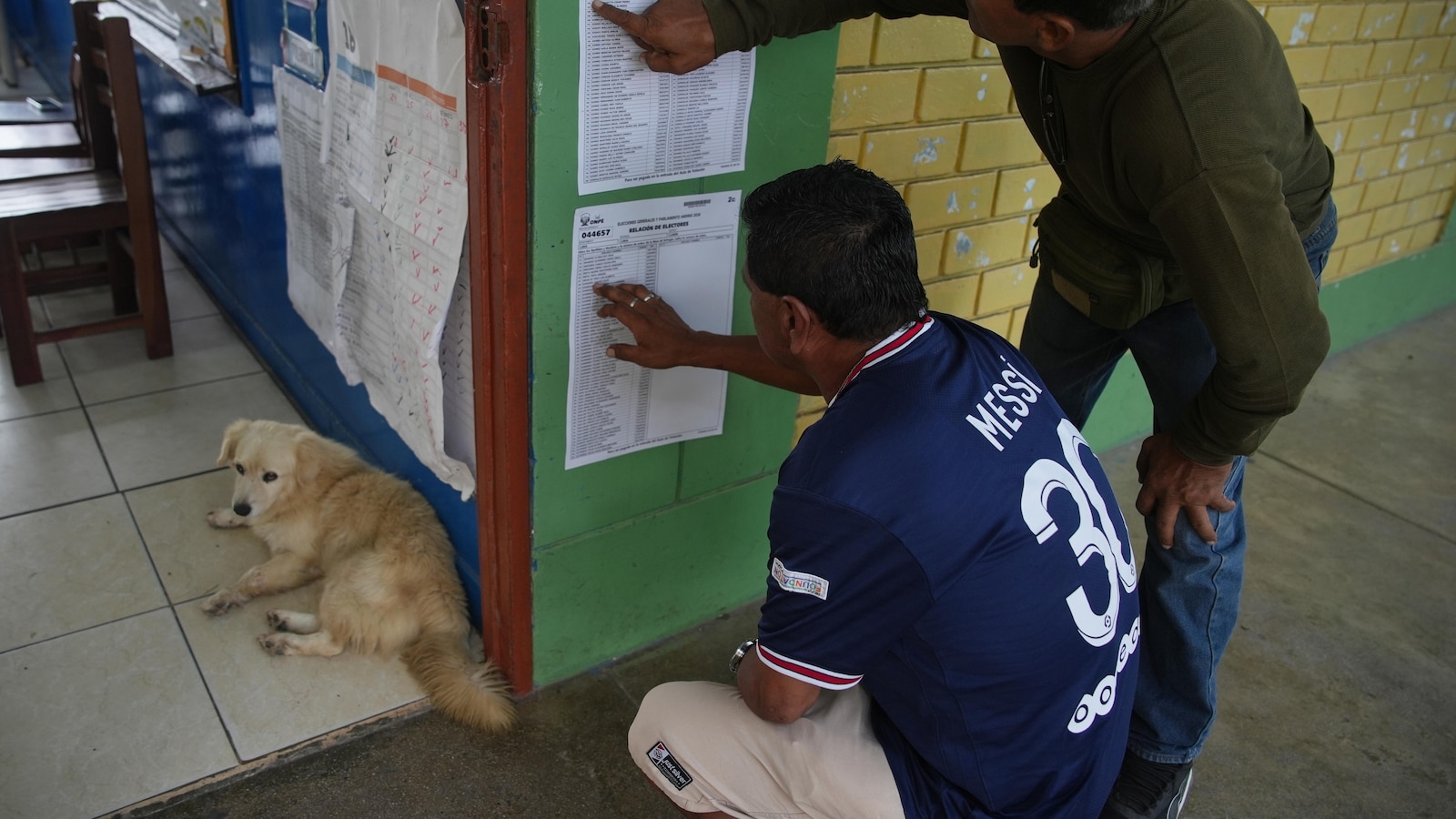
Voting process and turnout The slow pace is due to a law that requires each ballot and each tally sheet to be taken to one of more than 100 offices to be counted. Ballots and tally sheets must also arrive in the capital, Lima, from 63 countries. Voting is mandatory for Peruvians aged 18 to 70.
Failure to do so results in a fine of up to $32. More than 27 million voters are registered, and about 1.2 million were expected to cast ballots from abroad, mainly in the United States and Argentina. Surging crime, particularly extortion, was the overarching concern for voters.
Experts attribute the increasing power of organized crime to growing profits from illegal gold mining in the Andes and the Amazon. The runoff’s winner will be sworn in to a five-year term on July 28.