science
PFAS Levels in Canadian Seabird Eggs Fall Sharply Over 55 Years
Levels of some PFAS compounds in northern gannet eggs from Bonaventure Island in the St Lawrence Seaway basin declined up to 74% from peak concentrations reached in the late 1990s and early 2000s. The declines coincide with regulatory actions and industry phase-outs of PFOS and PFOA that began in the mid-2000s.
 The Guardian
Audio version
Tap play to generate a narrated version.
Developing·Limited corroboration so far. This page will refresh as more sources emerge.
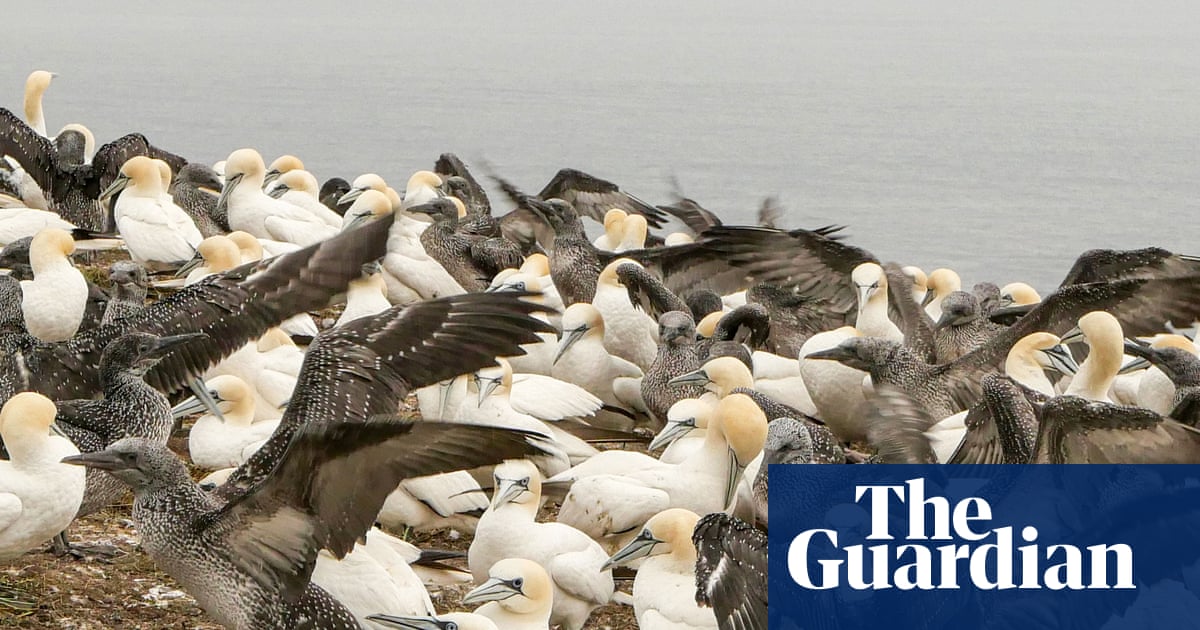
Levels of some of the most commonly used PFAS compounds in northern gannet eggs collected from Bonaventure Island in Canada's St Lawrence Seaway basin have fallen sharply since the early 2000s. The island hosts North America's largest northern gannet colony.
Researchers examined eggs gathered over a 55-year period and found that concentrations rose from the 1960s, peaked in the late 1990s and early 2000s, then declined after regulatory measures took effect. Data show PFOS levels dropped from a peak of 100 parts per billion to 26 parts per billion by 2024, a 74 percent reduction.
PFHxS concentrations fell from 0.69 to 0.19 parts per billion, a decline of about 72 percent. PFOA levels decreased roughly 40 percent over the same period, although they increased slightly in recent years. The chemical company 3M began moving away from PFOS in response to regulatory scrutiny.
The United Nations listed PFOS in the 2009 Stockholm Convention, which requires signatory countries to restrict its production and use. Militaries and other users of firefighting foam also switched to PFAS-free alternatives or stopped using the chemicals in training.
A co-author of the peer-reviewed study described the downward trend after the peak as significant. The researcher noted that concentrations at the peak appeared to exceed toxicological thresholds for the birds before declining. The study links the reductions to increased regulatory pressure in the US, Europe and Canada as well as the international treaty obligations.
PFAS are a class of at least 16,000 chemicals used to make products resistant to water, stains and heat. They are known as forever chemicals because they do not naturally break down. The compounds have been linked to cancer, thyroid disease, kidney problems and decreased immunity in humans.