world
Philippine Military Drills Prompt Fishermen Protests Over Temporary Income Loss
Military drills disrupted fishing operations in the Philippines, affecting the country's most vulnerable communities and prompting protests. Locals find themselves caught between a great power rivalry and rising economic pressures linked to the Iran war. NPR reported on the developments Tuesday.
May 12, 4:43 AM·2m read1 source
 nationalpost.com
Audio version
Tap play to generate a narrated version.
Developing·Limited corroboration so far. This page will refresh as more sources emerge.
Military drills in the Philippines disrupted fishing livelihoods, affecting the country's most vulnerable communities and sparking protests, NPR reported on May 12, 2026. The exercises took place as locals already navigate a great power rivalry and rising economic pressures linked to the Iran war. Fishing communities bore the immediate brunt.
Protests broke out in response to the lost income from days when boats could not sail. NPR reported that the drills have compounded economic strain in coastal areas where families depend on daily catches for survival. One fisherman who spoke to NPR described how patrols forced him to stay ashore for three straight days last week, leaving his family without earnings.
"We cannot feed our children when the ships come," he said. The timing has proven especially difficult. Economic pressures tied to the Iran war have already driven up fuel costs for small boat operators by 40 percent since January.
The added disruption from the drills has left many households unable to cover basic expenses. Protests drew several hundred people to a provincial pier last Friday. Demonstrators carried signs demanding compensation and shorter drill periods.
Local officials joined some of the rallies but stopped short of calling for the exercises to end. The military has not commented publicly on the specific complaints about fishing disruption. NPR reported that the drills form part of broader regional security cooperation, though exact partners were not detailed in its coverage.
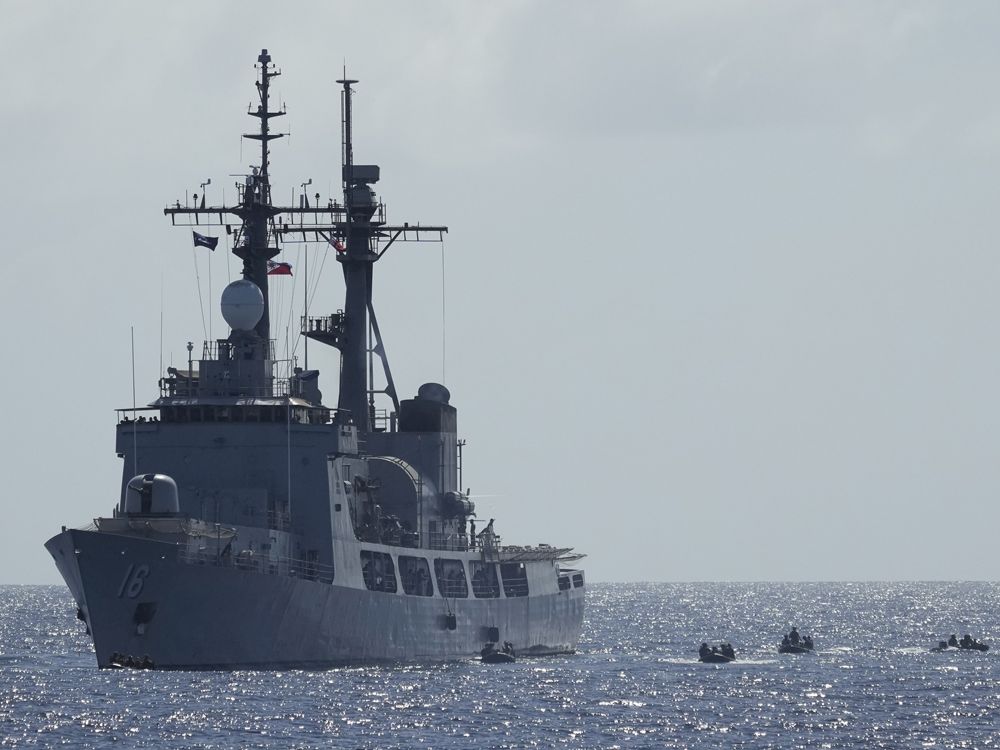
Residents described a scene of frustration mixed with resignation. At dawn, long lines of idle boats rocked in harbors while distant naval vessels conducted maneuvers on the horizon. By midday, small groups gathered under tarps to discuss lost hauls and mounting debts.