finance
Podcast Discusses Iran War's Global Economic Impacts, Shifting Alliances
A recent Foreign Affairs podcast features experts discussing the ongoing Iran war's global impacts, including energy crises and shifts in international power. Guests analyze effects on Latin America and broader geopolitical changes. The episode highlights U.S. actions and responses from nonaligned nations.
FO
 indiatoday.intoday.in
Audio version
Tap play to generate a narrated version.
Developing·Limited corroboration so far. This page will refresh as more sources emerge.
Foreign Affairs published a podcast on April 16, 2026, titled 'How the Iran War Is Shaping a Post-American World,' featuring conversations with Matias Spektor and Kishore Mahbubani. U.S. attack on the country.
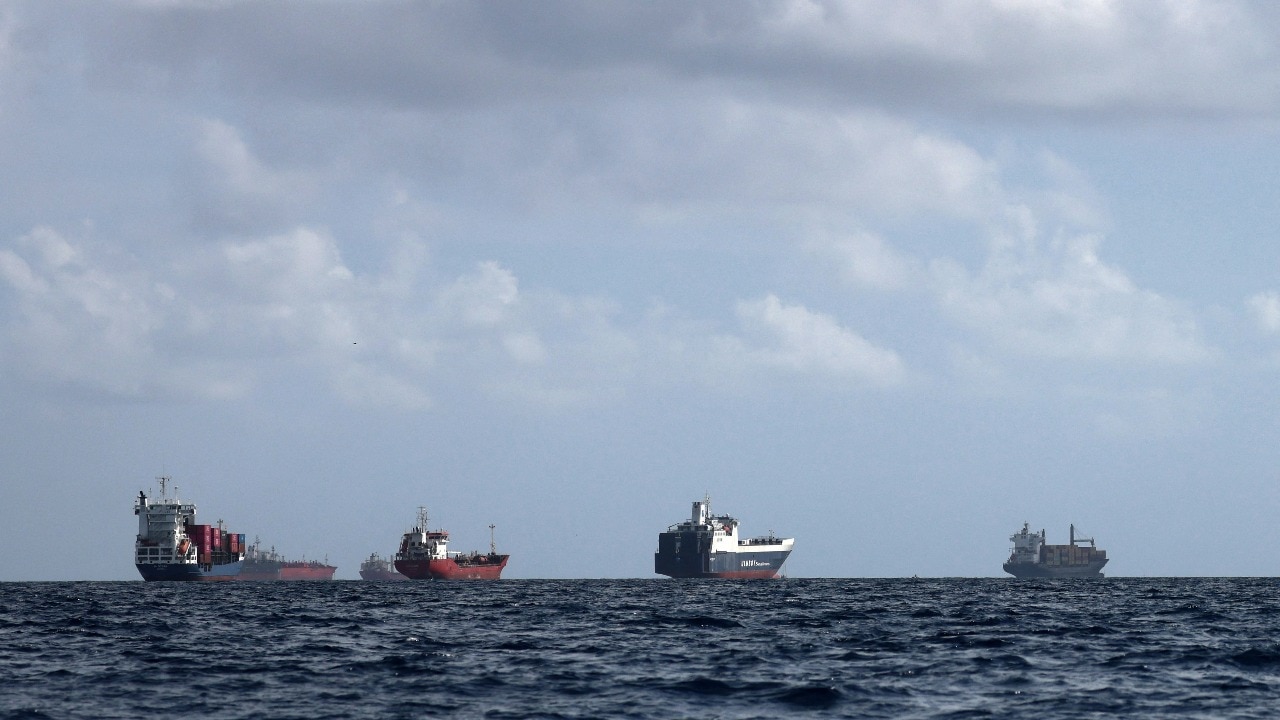
U.S. naval blockade, according to the discussion. Countries including Chile, South Korea, and Zambia have implemented extraordinary measures to cope with energy shortages and surging prices caused by the crisis.
In Brazil, rising inflation has emerged due to the war, while Chile faces protests over transportation costs, and fears about food supply chains persist globally because of fertilizer shortages. Matias Spektor, a professor of Politics and International Relations at Fundação Getulio Vargas in São Paulo, stated that the war in Iran is transmitting trouble to Latin America through rising energy prices, inflation pressures, and financial volatility.
He noted that governments in the region face difficult tradeoffs, such as absorbing effects via subsidies at risk of fiscal instability or passing costs to publics and risking backlash.
U.S. intervention in Venezuela a few months before April 2026, which removed top leaders of the regime, including Venezuelan President Nicolás Maduro, and struck a deal with its remnants. Spektor said the entirety of the Venezuelan regime adapted to the new world after Maduro was taken out and has been complying with the Trump administration.
U.S. authority in the hemisphere, Spektor explained, but China pulled out of support for Caracas three or four years before April 2026. The intervention followed a period of weakening for the regime due to economic mismanagement, oil prices, and sanctions.