politics
Poll: 88% of Voters Say Homebuying Is Harder Than in Past; Bipartisan Support for Housing Bill
A Bipartisan Policy Center survey of 1,000 voters in late April found overwhelming concern over housing costs and broad support for congressional action. The Housing for the 21st Century Act, one of the most comprehensive reforms in decades, has stalled amid competing White House priorities and disagreements over an institutional investor ban.
 americanbanker.com
Audio version
Tap play to generate a narrated version.
Developing·Limited corroboration so far. This page will refresh as more sources emerge.
Nearly nine in 10 American voters believe it is harder than it ever has been to buy a house, according to a poll released Thursday by the Bipartisan Policy Center. The survey of 1,000 voters conducted in late April found 83% saying Congress needs to take action to make housing more affordable.
It also showed 79% describing paying for housing as one of the biggest expenses in their budget and 57% saying housing costs have made other financial obligations more difficult.
Congress appears on the cusp of passing the Housing for the 21st Century Act, one of the most comprehensive housing reforms in decades. The bill stalled in recent weeks as competing priorities out of the White House have muddled its path through Capitol Hill.
The Senate and House versions contain a key difference on language banning institutional investors from owning more than 350 single-family homes.
Seventy percent of respondents support the premise of the bill, with 12% opposing it and 19% unsure. Support was almost equal among Democrats and Republicans but trended heavier among people under the age of 44. When asked if they would change their position if the bill reduced the supply of homes available for rent, 37% of supporters said they would be more supportive, 31% said they would be less supportive and 32% were unsure.
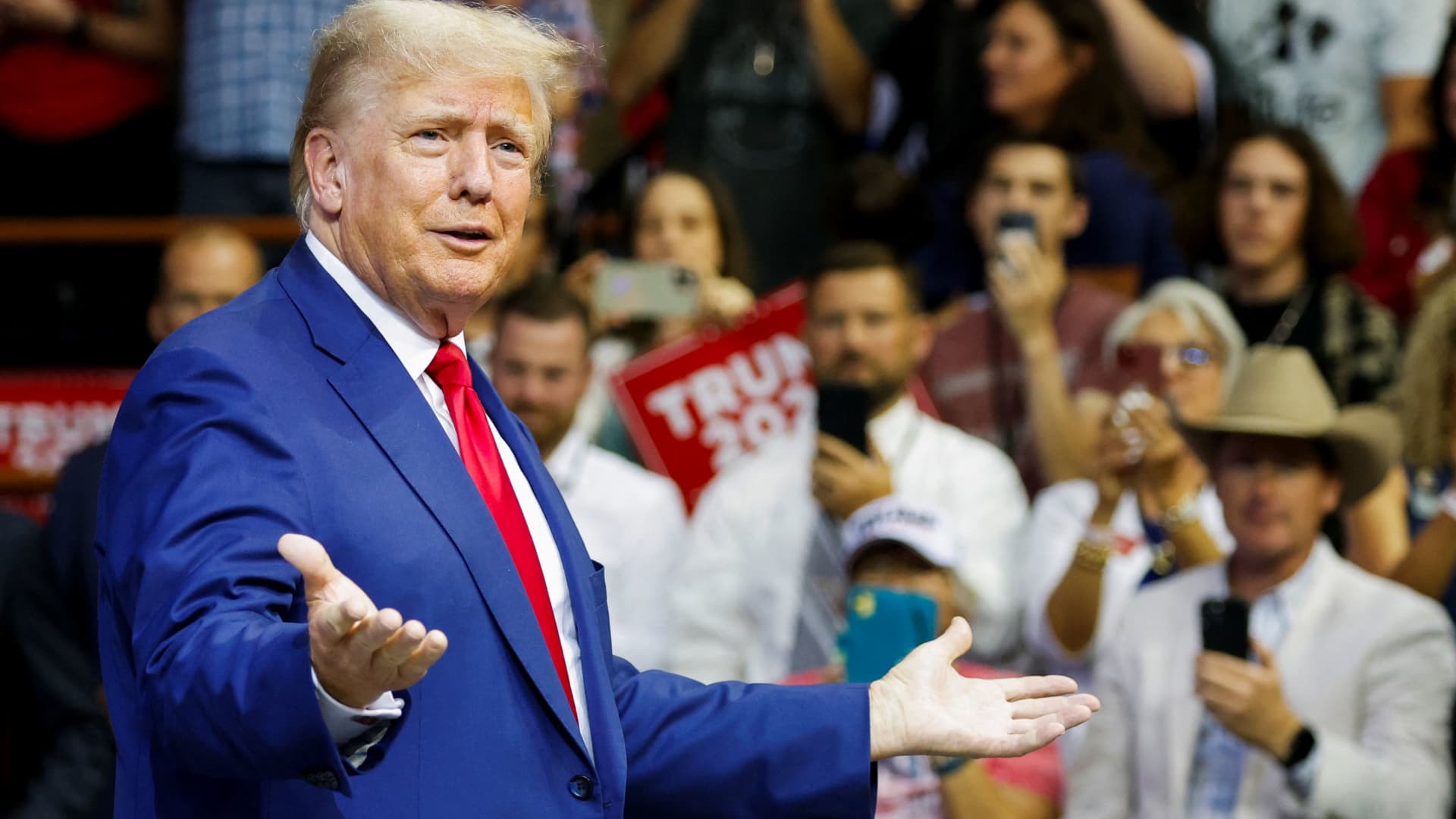
President Donald Trump released an executive order in January with guardrails to curtail institutional investor activity in the housing market. He called on Congress to codify the ban in his State of the Union speech in February. Last month, 76 members of the House’s Build America and Real Estate caucuses called for the investor ban provision to be changed or deleted.
Voters broadly back several specific policy approaches. Seventy-six percent support streamlining federal regulations to reduce costs and delays. Eighty-four percent support expanding access to affordable home financing, at least 77% support reforming federal rental assistance and other housing programs, and 65% support incentivizing state and local governments to change zoning and land use policies.
Knowing there is a bipartisan housing bill in Congress, 76% of those polled support the two chambers coming to an agreement and passing the bill. Eighty-nine percent said Congress needs to make building more affordable housing easier and lower housing costs.
Sixty-three percent were more likely to vote for their member of Congress if that person helped pass the bill into law, while 4% were less likely.
“People across the country are feeling the pressure, and they want Congress to respond,” said Dennis Shea, chair of BPC’s J. Ronald Terwilliger Center for Housing Policy. Many GOP lawmakers are pressing for another budget reconciliation bill that could help address voters’ affordability concerns.
J. Martino, CEO of The Tarrance Group, which helped conduct the poll, said the level of agreement stands out. “In this partisan environment we deal with on a daily basis, it’s uncommon to see an issue where Democrats, Republicans, and independents align in such numbers,” Martino said.
The poll was released as lawmakers weigh the next steps for the stalled legislation.
housing-affordabilitycongressional-legislationbipartisan-policyhousing-reformvoter-sentimentpotuswhite-houseexecutive-order
Transparency
How sources framed this
These outlets didn't split into competing frames — coverage was uniform.
CorroborationLimited · 2 sources