Unbiased AI-powered news
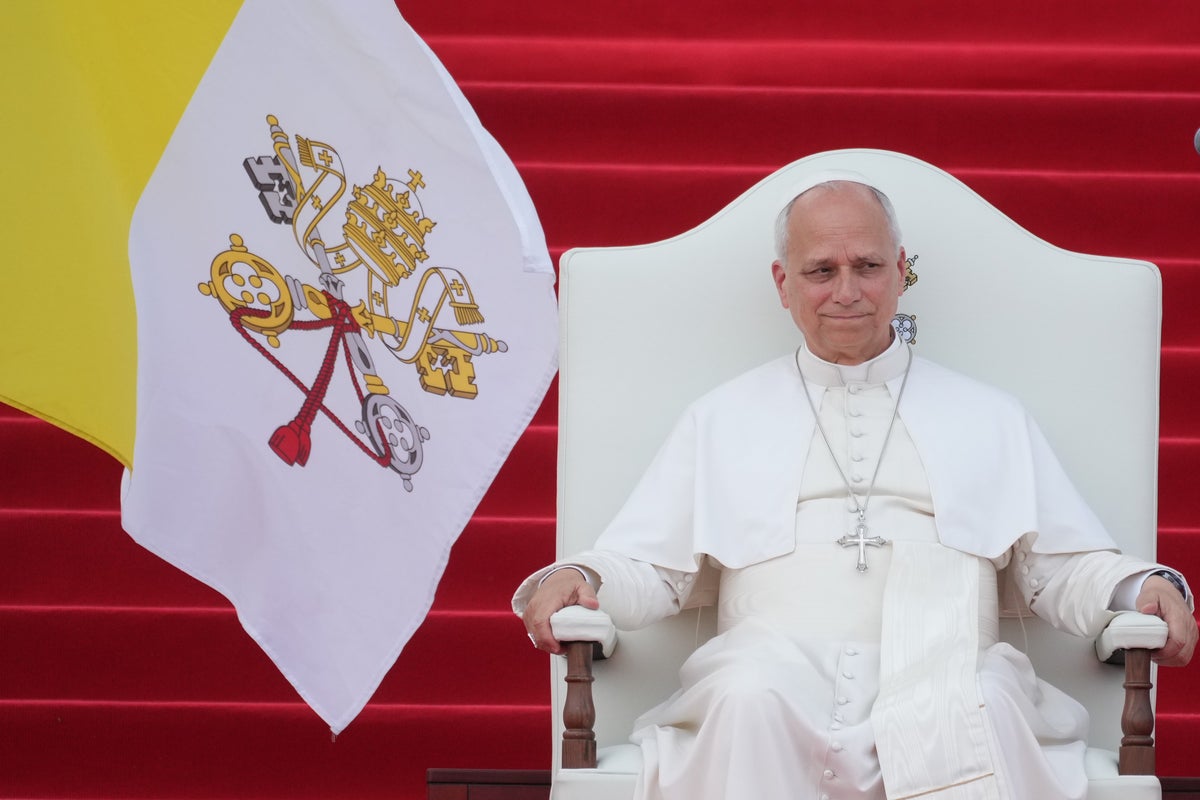
One year into his pontificate, Pope Leo XIV has made several changes to policies set by former Pope Francis while preparing for major appointments in the United States and at the Vatican. The changes include canceling a World Day of Children event, dissolving a fundraising commission and adjusting rules on Vatican financial investments.
The IndependentOne year after his election, Pope Leo XIV has taken a measured approach to his pontificate compared with the early pace set by Pope Francis. While Francis moved quickly with reforms and appointments, Leo has focused on assessing situations before acting.
The new pontiff has nonetheless made several policy changes and faces significant decisions on church leadership and longstanding disputes. Leo has already altered four policies established under Francis. In April the Vatican canceled the World Day of Children initiative launched by Francis, following the formal suppression of the ad hoc pontifical commission created for the event in 2024.
The cancellation came after questions about the event's purpose and objectives. In December Leo dissolved a Holy See fundraising commission created in 2025 during Francis' final hospitalization. The commission consisted only of Italians with no professional fundraising experience.
Its president was the assessor of the Secretariat of State, the same office that Francis had earlier stripped of authority to manage assets after a London property investment resulted in losses of tens of millions of euros. Leo then formed a new committee to develop fundraising proposals and structures.
The president of The Papal Foundation, which funds papal charity projects, said the decision showed that the Holy Father was paying close attention and recognized the prior arrangement would not be highly functional. Leo also issued a new law that overturned a 2022 measure by Francis concentrating financial power in the Vatican bank.
The revised rule permits the Holy See’s investment committee to use banks outside the Vatican when it makes better financial sense. In addition, Leo met with activist survivors of clergy sexual abuse. The survivors reported that he promised ongoing dialogue as they seek a worldwide zero-tolerance policy on abuse.
Francis had met regularly with individual survivors but maintained distance from activist groups.
Several upcoming vacancies will allow Leo to shape church leadership. The cardinal who heads the Chicago archdiocese turned 77 in March, exceeding the usual retirement age for bishops by two years. The archbishop of Los Angeles reaches age 75 in December.
Leo has already selected an archbishop to succeed the cardinal who leads the New York archdiocese. A professor of law and religion at Villanova University described that choice as consistent with Leo’s approach of avoiding strong ideological shifts in such decisions.
At the Vatican, the cardinal heading the liturgy office, which enforced Francis’ restrictions on the traditional Latin Mass, turned 76. His eventual successor will be watched for indications of how Leo intends to handle that divisive matter. Another cardinal, aged 78, continues to lead the office for family and laity while serving as camerlengo and on key financial and appeals committees.
A Canadian cardinal who heads the Vatican office dealing with migrants, the environment and development will turn 80 in July. That milestone will exclude him from voting in the next conclave, reducing the number of voting-age cardinals to 117. The development indicates Leo could name his first group of new cardinals within the next year.
Leo has held private audiences that offer some indication of topics he is examining. He has indicated interest in hearing directly from traditionalists as he considers ways to address divisions over the old liturgy. Two significant challenges lie ahead.
Pius X, a breakaway traditionalist group, are scheduled to be consecrated without papal approval. The act would constitute a schismatic step leading to automatic excommunication and test Leo’s authority. Traditionalist Catholics who remain in full communion with the Vatican are observing how he responds.
On the other end of the spectrum, the Vatican continues to oppose elements of the German Catholic Church’s Synodal Path. The proposals include a permanent mixed decision-making body of bishops and lay Catholics as well as formal blessings for same-sex couples.
A confrontation could occur when the German proposals reach Rome for final review. Leo’s first encyclical is expected in the coming weeks. It will address artificial intelligence along with peace and justice concerns. The pope has compared the scope of the AI revolution to the industrial changes addressed by Pope Leo XIII in the encyclical Rerum Novarum.
Single source — no framing comparison available.
foxnews.comDefense Secretary Pete Hegseth announced Monday the creation of a joint task force between the Pentagon and the Justice Department to identify and prosecute officials who disclose sensitive information to the media.
winnipegfreepress.comPresident Trump signed executive orders on July 13 reducing Bears Ears and Grand Staircase-Escalante national monuments. Utah Gov. Spencer Cox and the state's congressional delegation attended the signing.
thoughtcatalog.comRepublican Sen. Lindsey Graham of South Carolina died Saturday after returning from his tenth trip to Ukraine. President Trump described Graham as like a member of the family and one of the last people to speak with him.