science
Pregnant Women in DRC Avoid Hospitals as Ebola Cases Reach 894
Maternal deaths in Ituri province rose to seven in one week from two last year. Health workers link the increase to fear of Ebola infection at clinics.
 The Independent
Audio version
Tap play to generate a narrated version.
Developing·Limited corroboration so far. This page will refresh as more sources emerge.
Pregnant women in the Democratic Republic of Congo are increasingly avoiding hospitals during the current Ebola outbreak. The United Nations Population Fund recorded seven maternal deaths in eastern Ituri province in the week referenced, compared with two in the same week last year.
Noemi Dalmonte, UNFPA’s deputy representative in the DRC, said three of those deaths were confirmed as linked to Ebola either through fear of facilities or symptoms consistent with the disease.
The outbreak was declared just over a month before 19 June 2026. Africa CDC data show at least 894 confirmed cases and more than 200 deaths across the DRC and neighbouring Uganda, with 74 patients recovered. Ituri province accounts for more than 90 per cent of cases, while Uganda has reported 19 confirmed cases and two deaths.
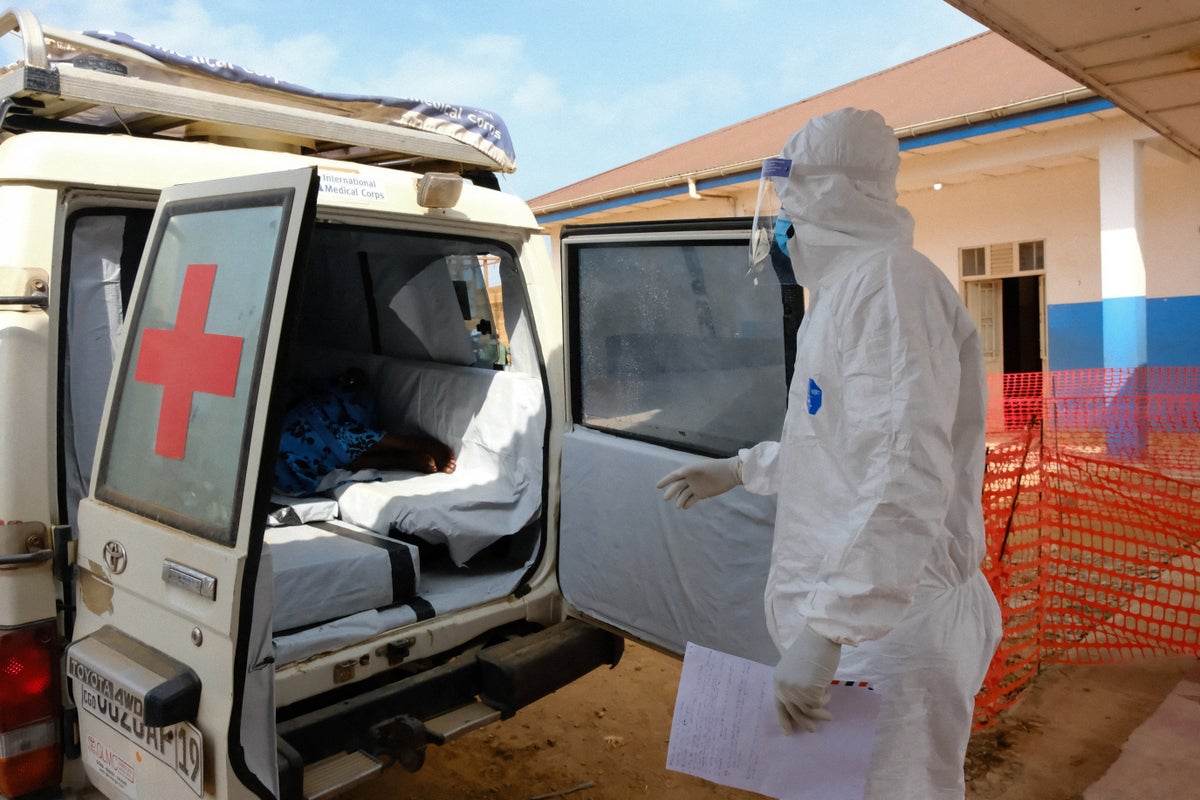
Prenatal consultations at one clinic in Bunia fell from around 60 expectant mothers a month to 10, according to medical director Dr Sonny Mwembo. Save the Children observed fewer patients at health centres in certain Ituri villages, with some pregnant women requesting home visits. Cédric’s wife, six months pregnant, stopped attending consultations after her nurse died of Ebola.
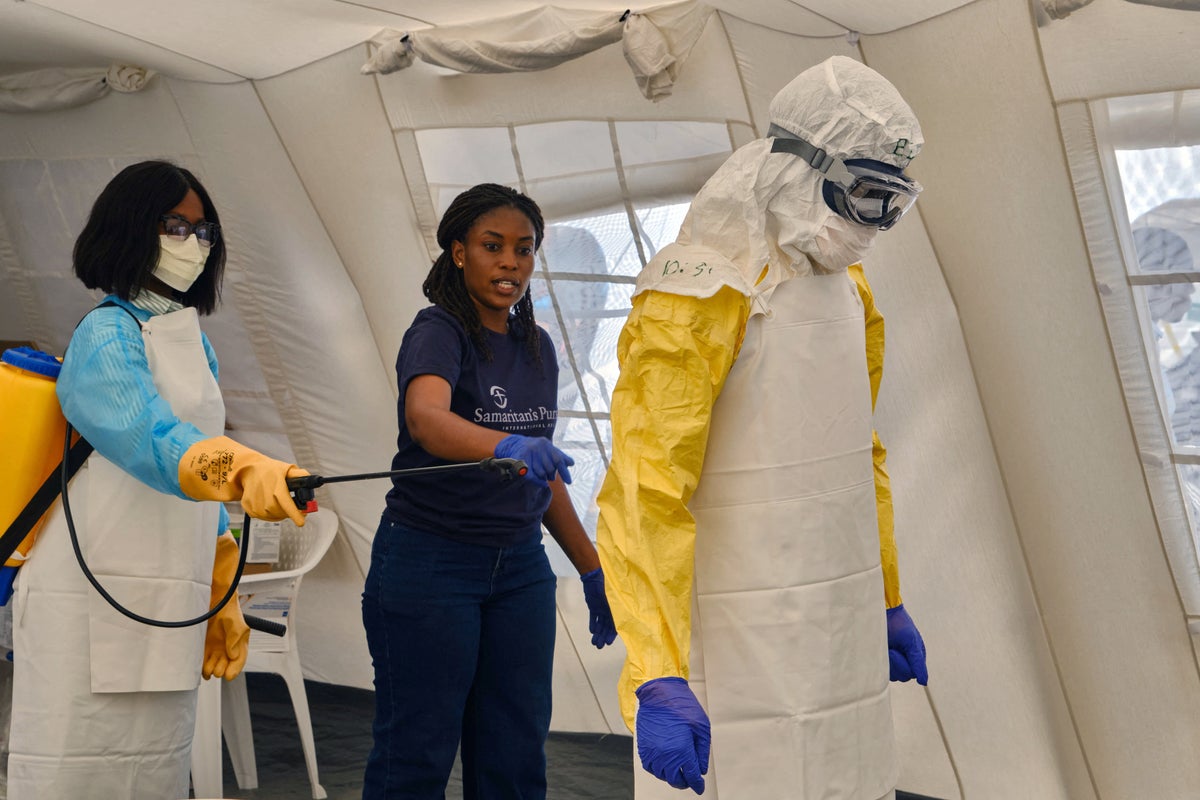
Ebola infection during pregnancy carries near-total risk of fetal loss and high maternal death from severe bleeding. Women account for a significant proportion of recent confirmed cases due to caring roles. Esther Ileli, who supports UNFPA midwives in Bunia, reported a lack of Ebola-specific protective equipment for midwives in hospitals.
Jean Kaseya, Director-General of Africa CDC, warned the outbreak could become the worst ever and cost billions of dollars to contain later. Donors have pledged $910 million, yet less than $90 million has been made available, according to Wessam Mankoula of Africa CDC. Ebola contact tracing coverage has fallen to 43 per cent, compared with 79 per cent one month into the 2018-2020 DRC outbreak.