politics
President Trump Pardons 11 People on July 4 for Emissions and Other Offenses
Nine of the pardons covered Clean Air Act convictions tied to vehicle emissions bypass devices. Trump also signed a memo directing the EPA to allow vehicle modifications.
FI
MA
 msnbc.com
Audio version
Tap play to generate a narrated version.
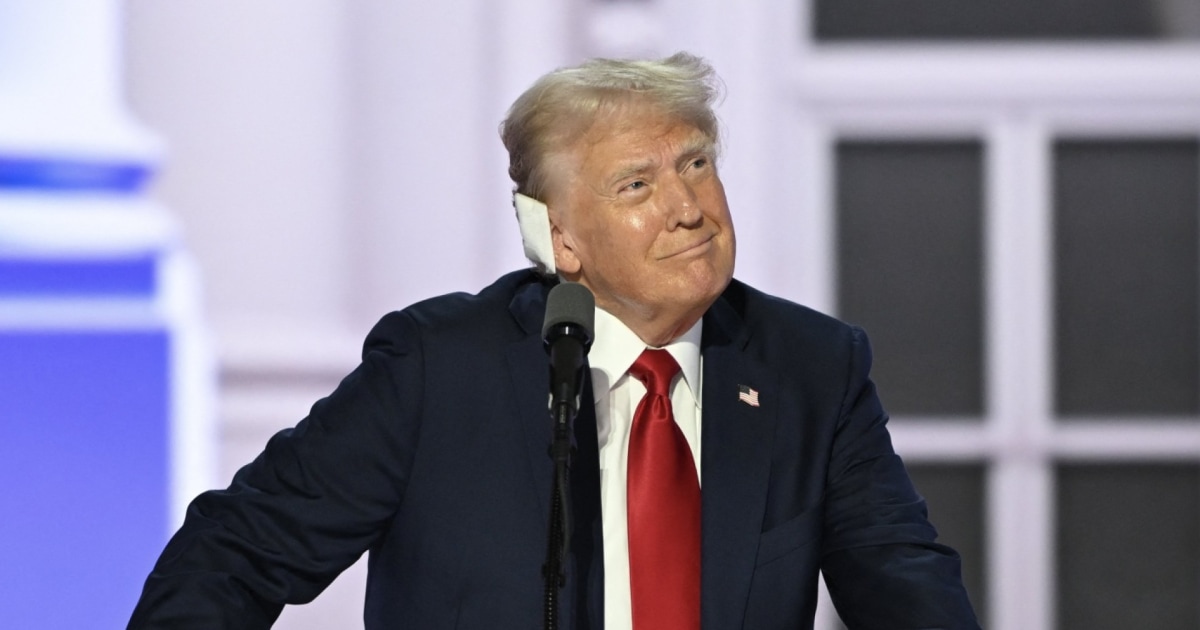
President Trump pardoned 11 people on July 4. Nine of the pardons covered convictions under the Clean Air Act for disabling emissions monitoring systems on vehicles or selling devices that bypass those systems. Trump announced six of the pardons earlier that day on Truth Social.
He wrote that the recipients had been persecuted by the Biden Administration and were in or facing prison for fixing their cars. A White House official later confirmed the names of all 11 individuals. The nine tied to emissions cases are Joshua Davis, Matt Geouge, Jonathan Achtemeier, Tim Clancy, Ryan and Wade Lalone, Barry Pierce, Aaron Rudolf and Mackenzie Spurlock.
Trump signed a memo on July 3 directing the Environmental Protection Agency that Americans may fix their own vehicles as they see fit. In January the Justice Department had said it would stop criminally prosecuting such cases while continuing civil enforcement.
Trump also pardoned Adam Kidan, who pleaded guilty in 2005 to fraud and conspiracy charges related to the purchase of gambling boats and was sentenced the following year.
Kidan was released from prison in 2009 and later founded a staffing agency that has secured employment for over 250,000 people. Trump pardoned ranch owner Jack Harvard, citing his record after conviction and his decision to allow U.S. military and NATO troops to train on his land free of charge.