Professor cites Strait of Hormuz and nuclear issues as barriers to U.S.-Iran peace deal
Robert Pape of the University of Chicago told CBS News that control of the Strait of Hormuz and Iran's nuclear program remain unresolved points of contention. The comments were presented as an assessment of obstacles to any future agreement.
Robert Pape, University of Chicago professor and founding director of the Chicago Project on Security and Threats, told CBS News that two issues continue to block progress toward a peace agreement between the United States and Iran. Pape identified control of the Strait of Hormuz and Iran's nuclear capabilities as the central points of disagreement.
He described both matters as zero-sum, meaning any gain for one side is viewed as a loss for the other.
The interview did not include details on current diplomatic contacts or timelines for further talks.
Key Facts
Transparency Panel
Related Stories
 The Guardian
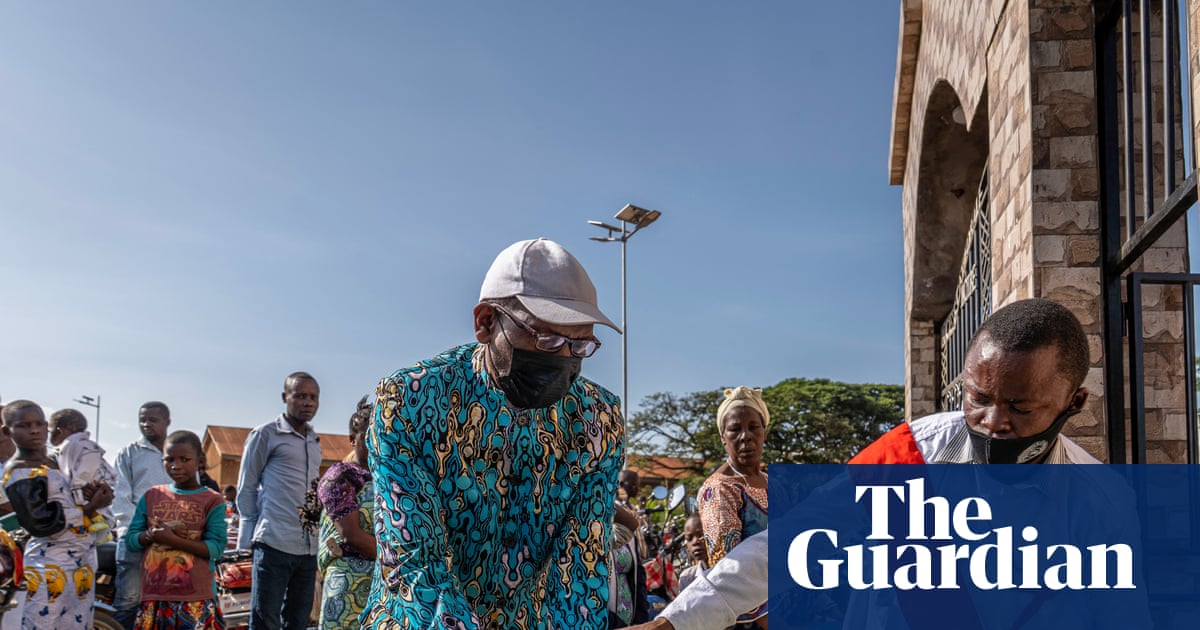
WHO Chief Visits DRC as Ebola Death Rate Reaches 30-50%
World Health Organization director-general Tedros Adhanom Ghebreyesus arrived in the Democratic Republic of the Congo to support containment of a new Ebola outbreak. The agency revised the death rate to 30-50% based on confirmed cases and recorded 10 confirmed and 223 suspected d…
 westernjournal.com
Greek National Charged in UK With Aiding Iran-Linked Intelligence Service
A 46-year-old Greek man living in Germany was charged under the UK National Security Act with assisting an intelligence service believed to be Iran by targeting a journalist at Iran International.
 physicianonfire.com
Bilt Rewards reports $1 billion revenue target for 2026
Bilt Rewards CEO Ankur Jain said the company's flagship credit card accounts for less than 11 percent of revenue. The firm now processes more than $100 billion in annual housing spend across one in four U.S. apartment buildings.