Substrate
world

Protests Erupt in Havana as Cuba Experiences Prolonged Power Blackouts

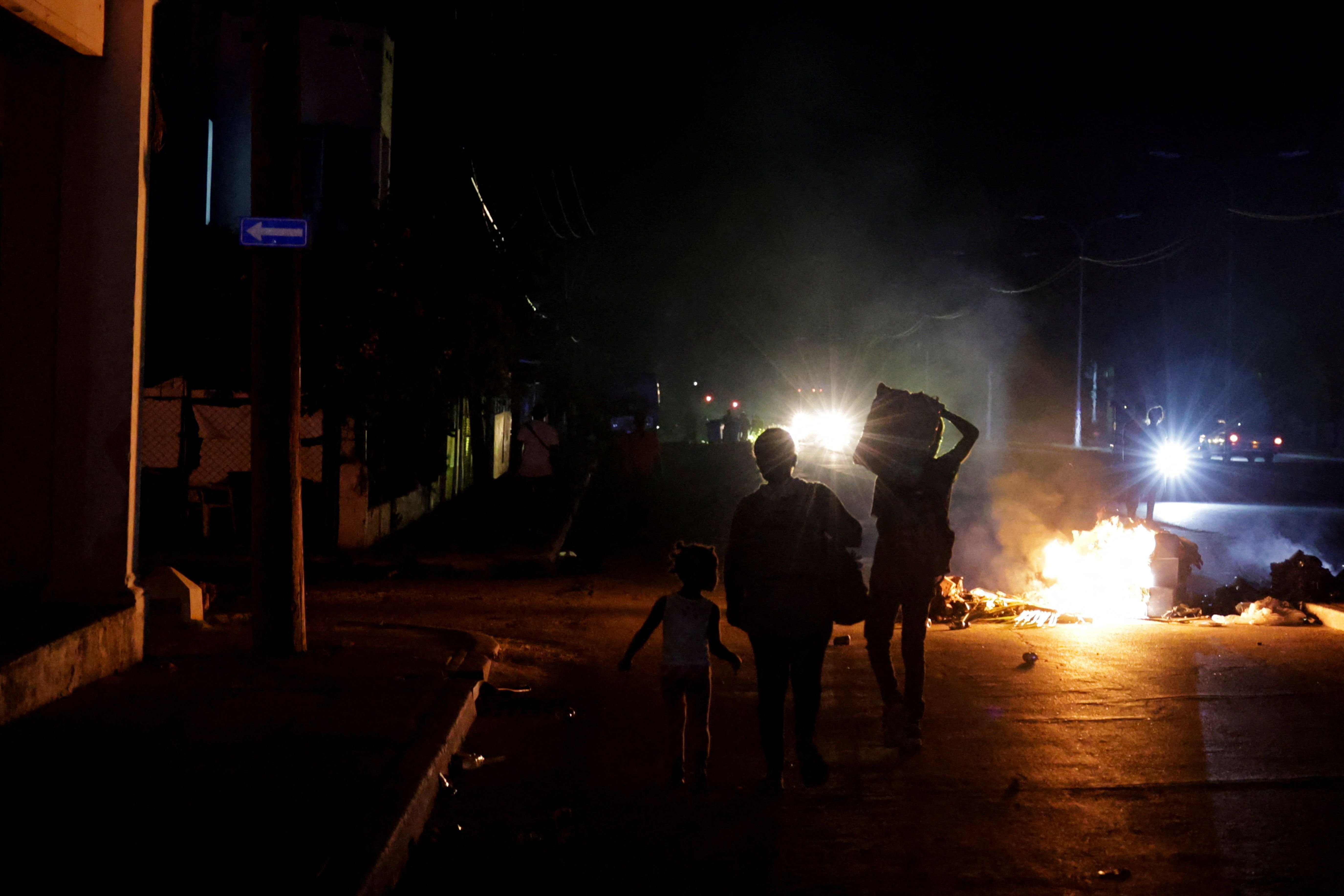
Protests broke out in the Cuban capital on May 14, 2026, as blackouts reached up to 22 hours daily following tightened U.S. energy embargo measures. The island has run out of diesel and oil, halting economic activity and straining hospitals. Cuba has rapidly deployed solar power but officials say the situation is unlikely to improve soon.

Semafor
1 source·May 14, 11:40 AM(15 days ago)·1m read
Protests Erupt in Havana as Cuba Experiences Prolonged Power BlackoutsSemafor
Audio version
Tap play to generate a narrated version.
Developing·Limited corroboration so far. This page will refresh as more sources emerge.

U.S. tightened its energy embargo on Cuba. The country relies on imported fossil fuels for the vast majority of its power.

U.S. blocked energy shipments. Havana now faces blackouts for up to 22 hours a day. Critical infrastructure including hospitals is buckling. Doctors in Cuba are struggling to provide even basic medical care.

While Cuba has rapidly deployed solar power, its energy minister said the island had run out of diesel and oil entirely. Semafor reported that the situation in Cuba is not likely to improve any time soon.

U.S. Tightened its embargo on the country, blocking fuel shipments. The protests marked an unusual public outburst in a nation where such demonstrations remain infrequent. Norlys Perez captured images for Reuters showing the scale of the gatherings in the capital as residents voiced frustration with the extended outages.

Cuba's dependence on imported fossil fuels has left its electricity system vulnerable to disruptions in shipments. The energy minister's statement underscored the severity, confirming the complete exhaustion of diesel and oil reserves on the island. Hospitals and other essential services have seen operations curtailed as generators sit idle without fuel.

Medical staff described difficulties in maintaining even routine care amid the prolonged blackouts that now dominate daily life in Havana. Solar installations have been rolled out at speed in recent months in an attempt to diversify supply. Yet the minister's assessment pointed to fundamental fuel shortages that solar alone cannot immediately offset.

The combination of embargo measures and domestic fuel depletion has produced the current crisis. Demonstrators took to the streets on May 14 as the 22-hour daily outages became untenable for many households and businesses.

Key Facts

Demonstrations erupted in Havana on May 14, 2026
Rare protests over power blackouts that reach up to 22 hours daily after U.S. tightened energy embargo and blocked fuel shipments
Cuba has run out of diesel and oil
Energy minister confirmed complete exhaustion of reserves; country relies on imported fossil fuels for vast majority of power
Critical infrastructure buckling
Hospitals affected; doctors struggling to provide basic medical care; economic activity at a halt

Story Timeline

4 events
  1. 2026-05-14

    Rare demonstrations erupted across Havana over repeated power blackouts

    1 sourceSemafor
  2. 2026-05-14

    Cuba's energy minister stated the island had run out of diesel and oil entirely

    1 sourceSemafor
  3. Recent months

    Cuba has rapidly deployed solar power

    1 sourceSemafor
  4. Ongoing

    Havana faces blackouts for up to 22 hours a day; economic activity grinds to a halt

    1 sourceSemafor

Potential Impact

  1. 01

    Prolonged blackouts severely limit hospital operations and basic medical care

  2. 02

    Economic activity across Cuba has come to a standstill

  3. 03

    Rapid solar deployment offers limited near-term relief given complete diesel and oil depletion

  4. 04

    Public demonstrations remain rare but signal growing frustration with energy shortages

Transparency Panel

Sources cross-referenced1
Confidence score65%
Synthesized bySubstrate AI
Word count273 words
PublishedMay 14, 2026, 11:40 AM
Bias signals removed1 across 1 outlet
Signal Breakdown
causal framing 1

Related Stories

WHO Chief Visits DRC as Ebola Death Rate Reaches 30-50%The Guardian
world41 min ago

WHO Chief Visits DRC as Ebola Death Rate Reaches 30-50%

World Health Organization director-general Tedros Adhanom Ghebreyesus arrived in the Democratic Republic of the Congo to support containment of a new Ebola outbreak. The agency revised the death rate to 30-50% based on confirmed cases and recorded 10 confirmed and 223 suspected d…

SK
The Guardian
2 sources
Greek National Charged in UK With Aiding Iran-Linked Intelligence Servicewesternjournal.com
world41 min ago

Greek National Charged in UK With Aiding Iran-Linked Intelligence Service

A 46-year-old Greek man living in Germany was charged under the UK National Security Act with assisting an intelligence service believed to be Iran by targeting a journalist at Iran International.

Reuters
BBC News
2 sources
Supreme Court Revives Havana Docks Lawsuit Over Confiscated Cuban Propertyupi.com
world2 hrs ago

Supreme Court Revives Havana Docks Lawsuit Over Confiscated Cuban Property

The U.S. Supreme Court sent a Helms-Burton Act case back to lower courts for further argument. The suit seeks damages from cruise lines that used docks seized by Cuba in 1959.

FO
1 source