Psychotherapist Questions Focus on Identity in Modern Therapy
Psychotherapist Jonathan Alpert argues that some current therapy practices emphasize identity and social justice over practical coping skills. He presents examples and discusses how this approach may affect patients and society.
 New York Post
Psychotherapist Jonathan Alpert states that therapy has become more common while anxiety and social division have increased. In his new book, he examines whether certain therapy methods contribute to these trends. Alpert describes a case in which a woman sought help for driving anxiety after a near-miss with a truck.
He reports that the therapist instead asked about her gender, race, and political views on abortion laws.
Alpert says many training programs now teach therapists to view patient issues through identity and power dynamics. He references frameworks such as the Multicultural and Social Justice Counseling Competencies that place social justice at the center of treatment.
According to Alpert, this approach can lead patients to interpret personal problems as results of external systems rather than develop individual coping skills. He notes that patients may spend years describing their issues without gaining tools to act.
Alpert writes that therapy language has moved into everyday conversation. Terms such as toxic, trauma, and gaslighting are applied to routine disagreements, he states. He argues that this framing can make relationships more fragile and increase a sense of grievance.
Alpert adds that culture and identity remain relevant in some cases but should not replace the goal of helping patients function better. "Therapy has never been more ubiquitous, yet we’re anxious, fragile, lost, and more divided than ever.
Key Facts
Potential Impact
- 01
Patients may focus more on external explanations than personal solutions.
- 02
Therapy language may enter everyday conversations about conflict.
Transparency Panel
Related Stories
 The Guardian
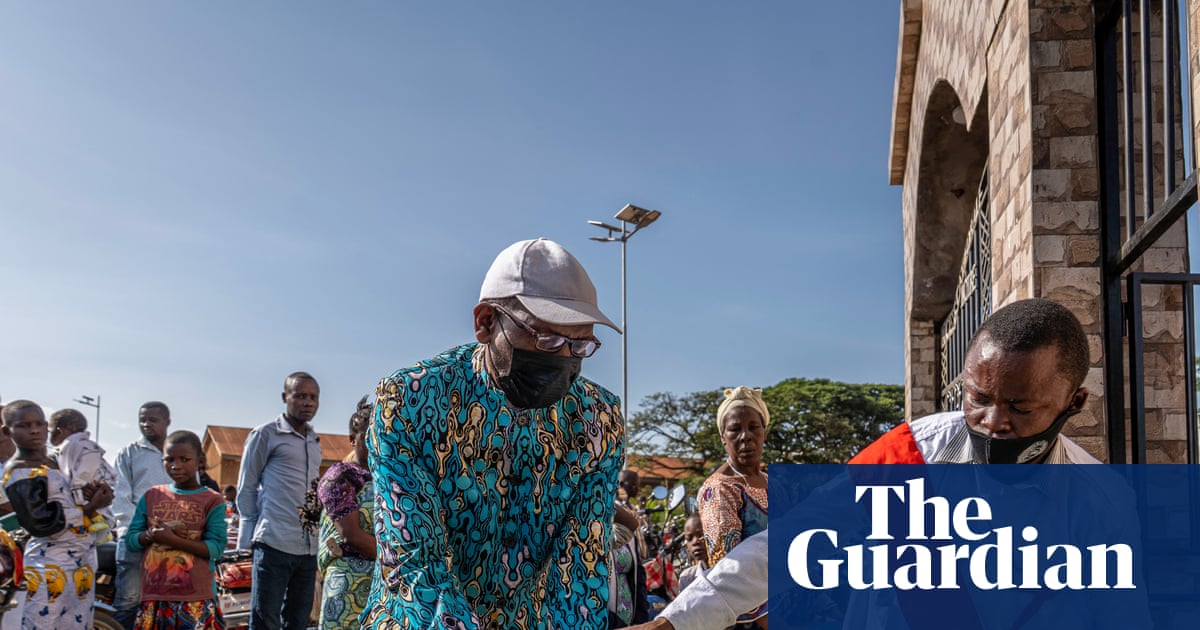
WHO Chief Visits DRC as Ebola Death Rate Reaches 30-50%
World Health Organization director-general Tedros Adhanom Ghebreyesus arrived in the Democratic Republic of the Congo to support containment of a new Ebola outbreak. The agency revised the death rate to 30-50% based on confirmed cases and recorded 10 confirmed and 223 suspected d…
 westernjournal.com
Greek National Charged in UK With Aiding Iran-Linked Intelligence Service
A 46-year-old Greek man living in Germany was charged under the UK National Security Act with assisting an intelligence service believed to be Iran by targeting a journalist at Iran International.
 straitstimes.com
Journalists in Gaza to Receive 2026 Golden Pen of Freedom Award
Three international news agencies will accept the award on behalf of their local staff still reporting from the territory. The World Association of News Publishers cited the journalists' continued coverage under extreme conditions.