Substrate
finance

Qatari LNG Tanker Transits Strait of Hormuz Bound for Pakistan Amid Ongoing Regional Conflict

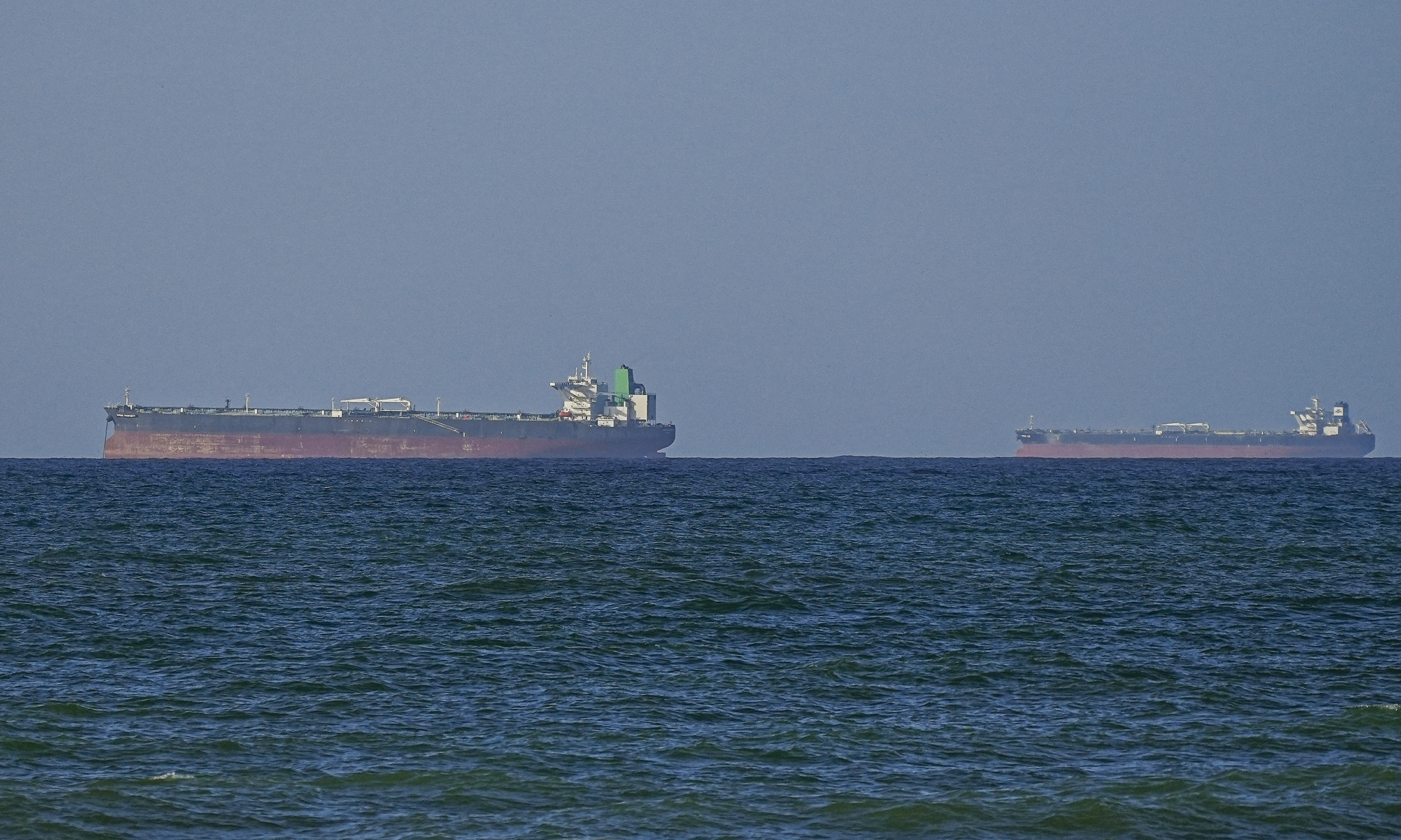
A fully loaded Qatari LNG tanker is attempting to cross the Strait of Hormuz on May 9, 2026, in what would be Qatar's first LNG export from the region since the Iran war began in late February. The move comes as the Trump administration awaits Tehran's formal response to a U.S. proposal that would see Iran reopen the strait while Washington ends its blockade of Iranian ports.

ZeroHedge
1 source·May 9, 2:30 PM(20 days ago)·2m read
|
Qatari LNG Tanker Transits Strait of Hormuz Bound for Pakistan Amid Ongoing Regional Conflictinsurancejournal.com
Audio version
Tap play to generate a narrated version.
Developing·Limited corroboration so far. This page will refresh as more sources emerge.

A Qatari LNG tanker is attempting to transit the Strait of Hormuz on May 9, 2026. The vessel is fully loaded with LNG, is currently transiting the Hormuz chokepoint, and did not sail through the Hormuz Island route. It is destined for Pakistan.

If successful, this would be the first time Qatar has exported LNG out of the region since the Iran war began in late February 2026. ZeroHedge reported that Tehran allows ships from friendly nations, primarily China, India and the UAE, to pass, though there was no immediate word on whether Iran charged the vessel a transit fee.

U.S. Proposal as of early Saturday morning May 9, 2026. U.S. ends its blockade of Iranian ports over the next month.

U.S. Proposal is under review, Foreign Ministry Spokesman Esmail Baghaei said. Trump has changed his approach to prioritize reopening the Strait of Hormuz at all costs while leaving nuclear and ballistic missile negotiations for later.

U.S. Is waiting for Iran's response to Trump's latest proposal to end the war. The Strait of Hormuz remains effectively closed to commercial shipping since Tuesday. Saudi Aramco and UAE's Adnoc have managed to move some crude cargoes through the strait despite the restrictions.

The latest attempt follows last week's clashes. U.S. Navy destroyers in the Strait of Hormuz.

U.S. Navy destroyers. U.S. warships.

U.S. officials. Iran seized the tanker Ocean Koi in the Gulf of Oman, which appeared to be carrying Iranian oil. The world has burned through oil inventories at record speed as the Iran war throttles flows from the Persian Gulf.

47 million tons of crude in April. 6 percent in April.

Global food prices climbed to their highest level in more than three years as the Iran war disrupted supply chains. U.S. imposed sanctions on three Chinese firms for providing satellite imagery to Iran.

The UK will deploy HMS Dragon warship to the Middle East as part of planning for a European-led mission to escort ships through the Strait of Hormuz once there is a stable ceasefire. U.S. blockade.

Cargo trains from Xi'an to Tehran increased from one per week to one every three or four days.

Key Facts

Qatari LNG tanker transiting Strait of Hormuz
Fully loaded vessel destined for Pakistan did not use Hormuz Island route; first potential Qatari LNG export since late February 2026 war start
U.S. awaits Iranian response to Trump proposal
Proposal prioritizes reopening Strait of Hormuz with U.S. ending port blockade over next month; nuclear and missile talks deferred; Tehran says response under r
Recent U.S.-Iran clashes in Strait of Hormuz
Iran fired missiles, drones and small boats at three U.S. Navy destroyers with no U.S. assets hit; U.S. struck launch sites and disabled two unladen Iranian tan
Economic impacts from disrupted shipping
Chinese crude imports fell 20% to 38.47 million tons and gas 13% to 8.42 million tons in April; UN food-commodity index rose 1.6% with global food prices at hig

Story Timeline

5 events
  1. 2026-05-09

    Qatari LNG tanker attempts transit of Strait of Hormuz; Trump administration awaits formal Iranian response as of early Saturday morning

    3 sourcesZeroHedge · Stephen Stapczynski · Esmail Baghaei
  2. 2026-05-08

    U.S. strikes Iranian military targets on Thursday after Iranian attack on three U.S. Navy destroyers; U.S. disables two Iranian-flagged tankers

    1 sourceZeroHedge
  3. 2026-05-06

    Strait of Hormuz effectively closed to commercial shipping

    1 sourceZeroHedge
  4. 2026-04-30

    Chinese crude imports fall 20% year-on-year to 38.47 million tons; gas imports fall 13% to 8.42 million tons

    1 sourceZeroHedge
  5. 2026-02-28

    Iran war begins in late February

    2 sourcesZeroHedge · Stephen Stapczynski

Potential Impact

  1. 01

    Increased rail trade between China and Iran as Tehran bypasses naval blockade

  2. 02

    Rising food commodity prices reaching three-year highs due to supply chain disruptions

  3. 03

    Tightening global oil and gas markets from restricted Hormuz flows accelerating inventory drawdowns

Transparency Panel

Sources cross-referenced1
Confidence score65%
Synthesized bySubstrate AI
Word count357 words
PublishedMay 9, 2026, 2:30 PM
Bias signals removed1 across 1 outlet
Signal Breakdown
Loaded 1

Related Stories

SEC Chair Paul Atkins Says Congress Will Pass Crypto Legislationibtimes.com
finance34 min agoDeveloping

SEC Chair Paul Atkins Says Congress Will Pass Crypto Legislation

SEC Chair Paul Atkins stated he is confident Congress will pass crypto market structure legislation. He added that President Trump will sign the bill into law.

WA
BI
2 sources
Iran Says Strait of Hormuz Management Belongs to Iran and Omanasiaone.com
finance34 min agoDeveloping

Iran Says Strait of Hormuz Management Belongs to Iran and Oman

Iran's Foreign Ministry spokesperson stated that control of the Strait of Hormuz must be decided solely by Iran and Oman. The spokesperson also said no agreement has been reached with the United States and that current focus remains on ending the war.

DE
LI
ZE
IN
4 sources
Fed Official Highlights Regulatory Barriers to AI Productivity Gainscnbc.com
finance34 min agoDeveloping

Fed Official Highlights Regulatory Barriers to AI Productivity Gains

A Federal Reserve official stated that productivity growth remains key to economic expansion and that regulatory hurdles are the main obstacle to sustained gains from artificial intelligence.

FI
FI
2 sources