world
Rain ends drought in Syria but many farmers skip planting
Recent rainfall ended years of drought across Syria. Crop failures and subsidy reductions left many farmers unable to plant despite the improved weather.
May 27, 7:46 AM·1m read1 source
AJ
 al-monitor.com
Audio version
Tap play to generate a narrated version.
Developing·Limited corroboration so far. This page will refresh as more sources emerge.
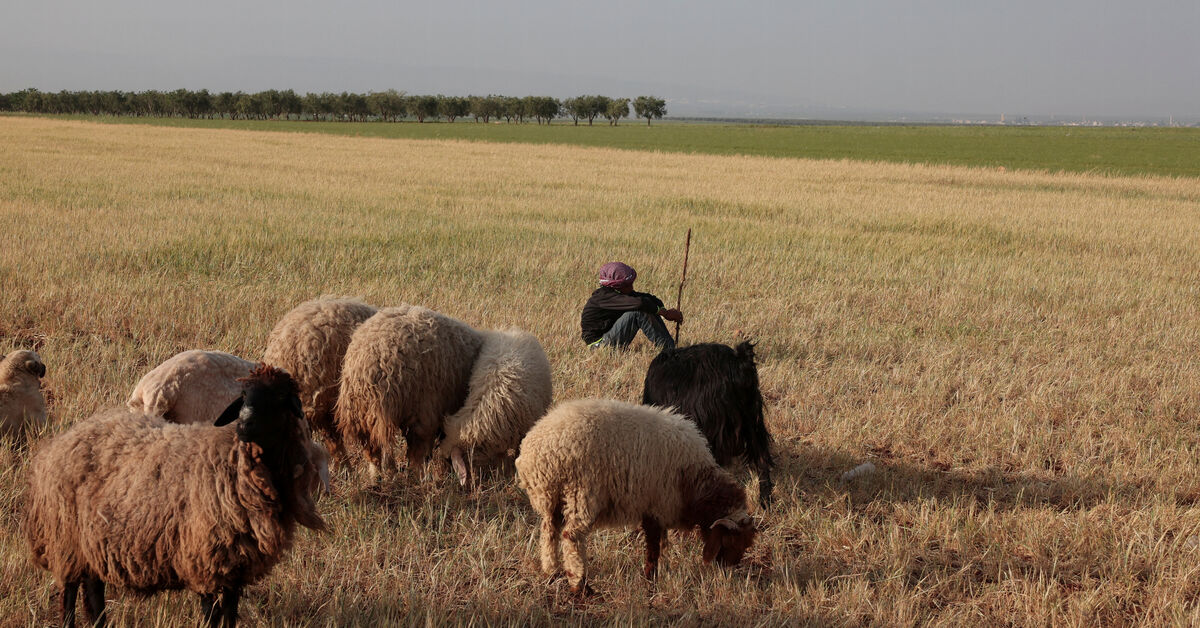
Rainfall in recent weeks ended years of drought in Syria. The precipitation arrived after multiple seasons of failed harvests that left fields unplanted. Crop failures and cuts to government subsidies raised the cost of seed and fertilizer beyond what many farmers could afford.
As a result, fields that could have been sown remained empty even after the rains. Local agricultural conditions now show mixed results. Some areas received enough moisture to support limited planting, while others recorded no increase in cultivated land compared with the prior season.
Government data on total planted area for the current cycle have not yet been released. Officials have not announced any new subsidy measures to address the shortfall.
Transparency
How sources framed this
AJ
AJ
Single source — no framing comparison available.
CorroborationLimited · 1 source