world
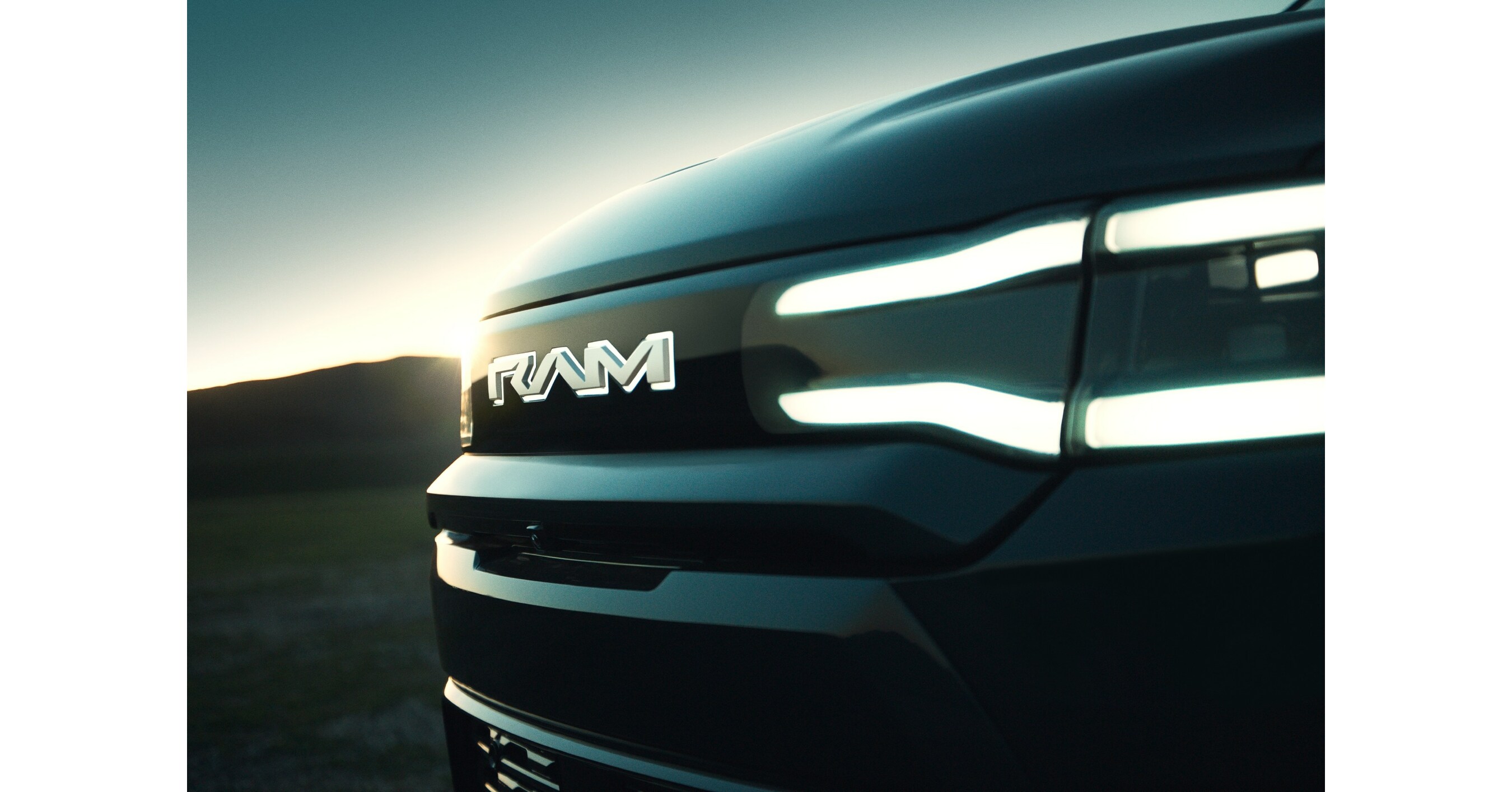
Ram 1500 REV Extended-Range Electric Pickup Set for U.S. Debut Later This Year
The Ram 1500 REV, an extended-range electric vehicle, will debut in the United States later this year. This truck features a gasoline engine that recharges its battery to extend driving range to nearly 700 miles. The model addresses concerns about battery range limitations in electric vehicles during long trips.
Apr 15, 7:30 AM·2m read1 source
 prnewswire.com
Audio version
Tap play to generate a narrated version.
The Ram 1500 REV is an extended-range electric vehicle, or EREV, scheduled to debut in the United States later this year. This pickup truck includes a gasoline engine that activates to recharge the battery when range decreases, allowing continued driving without frequent charging stops.
The battery provides about 150 miles of electric-only driving, and the full system enables nearly 700 miles of total range.
Extended-range electric vehicles differ from traditional hybrids. In an EREV, the gasoline engine generates power solely to replenish the battery and does not directly drive the wheels. This setup contrasts with plug-in hybrids, which offer around 30 miles of electric driving for daily use before switching to gasoline.
vehicle sales in the United States grew slowly but declined in the past six months, according to reports from Cox Automotive.
Factors include high prices and delays in new models from automakers. In response, companies have adjusted plans, such as Honda halting development of three new EVs and Volvo discontinuing its affordable electric SUV due to market conditions. The Ram 1500 REV aims to reduce range anxiety for drivers on long trips.
Jeremy Michalek, director of the Vehicle Electrification Group at Carnegie Mellon University, stated that the design allows adding liquid fuel to extend travel distances. This approach provides an alternative for users hesitant about fully electric vehicles.
Originally, the Ram 1500 REV was planned as a fully electric truck, but the model now incorporates a gasoline engine.
Ford canceled its electric F-150 pickup and plans to reintroduce it as an EREV. Of the 16 EREVs expected in the market within the next three years, all are trucks or SUVs. Pickup truck drivers have shown resistance to fully electric options due to the vehicles' size and weight, which require large batteries for performance.