technology
Rapido Raises $240 Million in Funding at $3 Billion Valuation
Indian ride-hailing startup Rapido secured $240 million in new equity funding led by Prosus, part of a larger $730 million primary and secondary financing round. The Bengaluru-based company, previously valued at $2.3 billion, plans to deepen its presence in high-growth markets and strengthen its driver network. The move comes as Uber CEO Dara Khosrowshahi visits India and expands the U.S.
May 15, 7:24 AM·1m read1 source
 thehindubusinessline.com
Audio version
Tap play to generate a narrated version.
Developing·Limited corroboration so far. This page will refresh as more sources emerge.
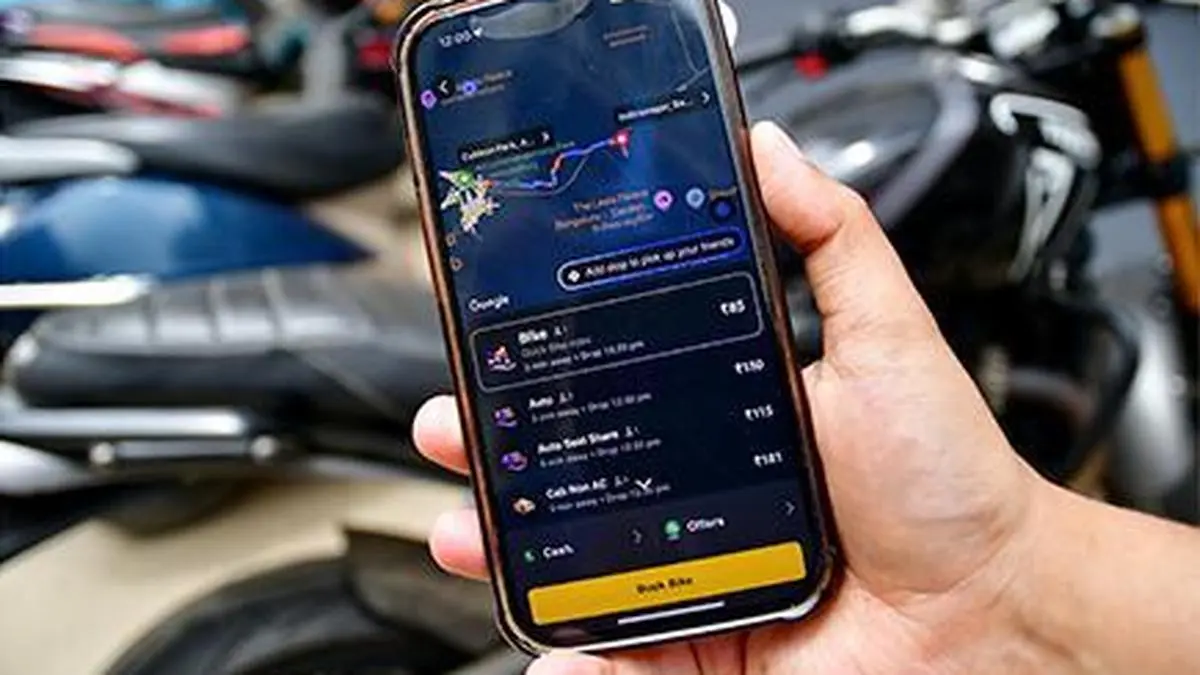
Indian ride-hailing company Rapido raised $240 million in fresh funding at a post-money valuation of $3 billion, the company said on Friday. The equity round was led by Prosus with participation from existing investors WestBridge Capital and Accel. It formed part of a larger $730 million primary and secondary financing.
3 billion during a secondary transaction last year. The company will use the fresh capital to increase its footprint in high-growth markets, strengthen its driver network and invest in technology and platform efficiency. “We are going deeper into markets where demand exists, but supply remains fragmented,” Rapido co-founder Aravind Sanka said in a statement.
Sanka added that the company will sharpen its focus on strengthening supply, building technologies and expanding its multi-modal footprint with far greater speed and intent. Founded in 2015 and based in Bengaluru, Rapido operates in more than 400 cities.
It has driven its growth by enabling ride-hailing for lower-cost and more flexible modes of transport such as motorbikes and autorickshaws in India’s congested, price-sensitive cities.
The Bengaluru-based startup has been expanding to smaller towns too. The funding round comes in the wake of Uber CEO Dara Khosrowshahi’s visit to India this week. During the visit, Uber unveiled plans to expand its engineering and infrastructure operations via two new technology campuses in India and entered a local data center partnership.
Uber infused $330 million into its India subsidiary earlier this year. Dara Khosrowshahi said last year that Rapido had overtaken Ola as Uber’s biggest competitor in the country. India remains one of the world’s most challenging ride-hailing markets because of intense price competition, supply issues, high driver incentive costs and evolving local regulations.