Substrate
world

Recycled Clothing from Developed Countries Sent to Indian City

A CNN report examines the processing of used clothing exported from developed countries to India. The investigation focuses on one city where workers handle the materials. The report details conditions in the local recycling operations.

Cnn
1 source·May 7, 6:03 AM(22 days ago)·1m read
Recycled Clothing from Developed Countries Sent to Indian Citytheolivepress.es
Audio version
Tap play to generate a narrated version.

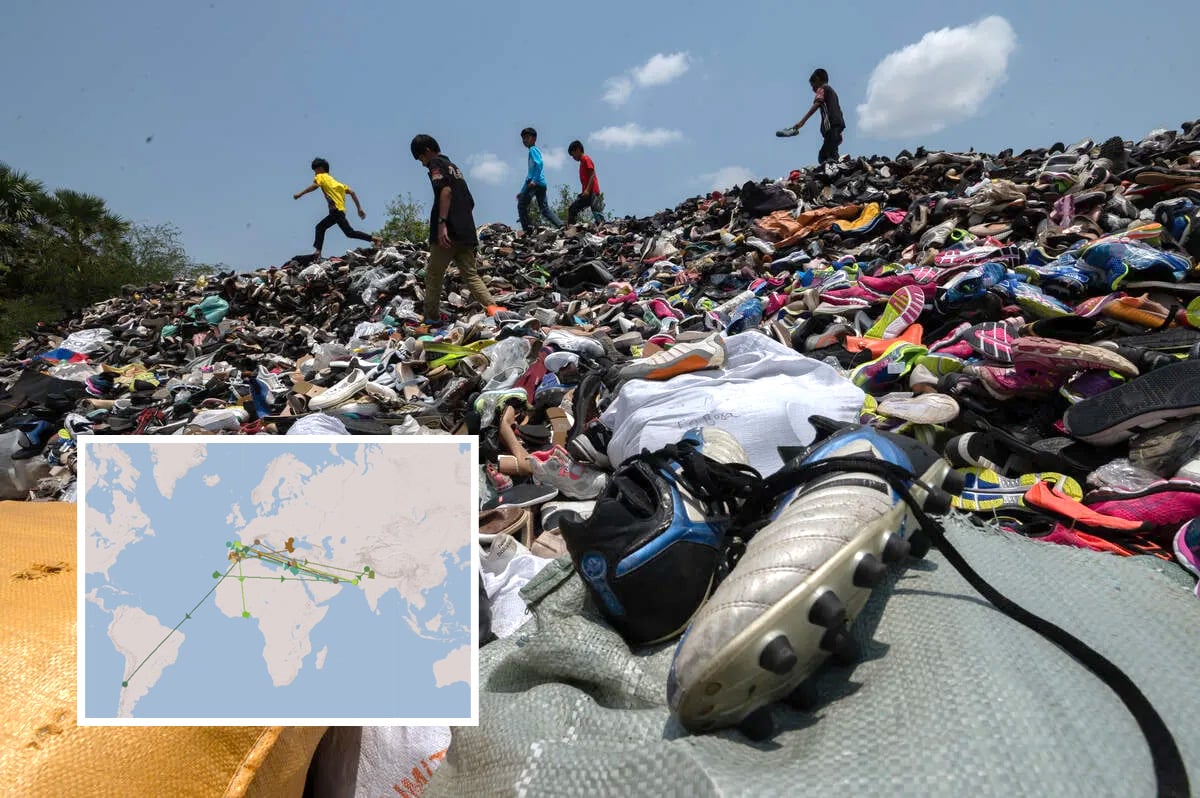
Used clothing from developed countries is shipped to India for recycling and resale. CNN correspondent Hanako Montgomery examined the process in one Indian city where large volumes of imported garments arrive daily. Workers sort through bales of clothing that originate primarily in the United States and Europe.

Many items cannot be resold in their current condition and are instead processed for raw material. The city has become a hub for this secondary textile market. Local residents and laborers involved in sorting and dismantling the garments face exposure to dust, chemicals, and physical strain.

The report documents respiratory issues and other health effects reported by workers handling the imported materials over extended periods. Facilities in the city process thousands of tons of clothing each month. Sorted garments that retain value are sold domestically or re-exported.

Unsuitable items are shredded or converted into industrial rags and filling material. The volume of imported used clothing has grown in recent years as fast fashion increases the supply of low-cost garments in developed markets. This has expanded the scale of operations in Indian processing centers that receive the shipments.

Montgomery's report includes footage from the sorting sites and interviews with workers describing daily conditions. It presents the trade as a global supply chain linking consumer habits in one region to labor and environmental outcomes in another. Indian authorities have previously set standards for textile waste handling, though enforcement varies by location.

The city highlighted in the report continues to receive regular shipments from overseas ports.

Key Facts

Hanako Montgomery
CNN correspondent who produced the report
Indian city
receives used clothing from developed countries
Workers
sort imported garments for resale or processing
Fast fashion
increases volume of exported used clothing

Potential Impact

  1. 01

    Workers in the Indian city continue to process large volumes of imported used clothing.

  2. 02

    Global trade in secondhand textiles links consumer markets in developed countries to processing hubs in India.

  3. 03

    Health effects from dust and chemical exposure remain a concern for local laborers.

Transparency Panel

Sources cross-referenced1
Confidence score65%
Synthesized bySubstrate AI
Word count250 words
PublishedMay 7, 2026, 6:03 AM
Bias signals removed2 across 2 outlets
Signal Breakdown
Loaded 1Editorializing 1

Related Stories

WHO Chief Visits DRC as Ebola Death Rate Reaches 30-50%The Guardian
world52 min ago

WHO Chief Visits DRC as Ebola Death Rate Reaches 30-50%

World Health Organization director-general Tedros Adhanom Ghebreyesus arrived in the Democratic Republic of the Congo to support containment of a new Ebola outbreak. The agency revised the death rate to 30-50% based on confirmed cases and recorded 10 confirmed and 223 suspected d…

SK
The Guardian
2 sources
Greek National Charged in UK With Aiding Iran-Linked Intelligence Servicewesternjournal.com
world52 min ago

Greek National Charged in UK With Aiding Iran-Linked Intelligence Service

A 46-year-old Greek man living in Germany was charged under the UK National Security Act with assisting an intelligence service believed to be Iran by targeting a journalist at Iran International.

Reuters
BBC News
2 sources
Bilt Rewards reports $1 billion revenue target for 2026physicianonfire.com
world51 min agoDeveloping

Bilt Rewards reports $1 billion revenue target for 2026

Bilt Rewards CEO Ankur Jain said the company's flagship credit card accounts for less than 11 percent of revenue. The firm now processes more than $100 billion in annual housing spend across one in four U.S. apartment buildings.

FO
1 source