Remora Fish Observed Entering Manta Rays' Cloaca for Protection
Researchers documented remoras entering the cloaca of manta rays in seven instances between 2010 and 2025. The behavior, called cloacal diving, occurred across all three manta ray species in three ocean basins. A study published on Monday in the journal Ecology and Evolution reports that manta rays do not appear to tolerate the action.
 defector.com
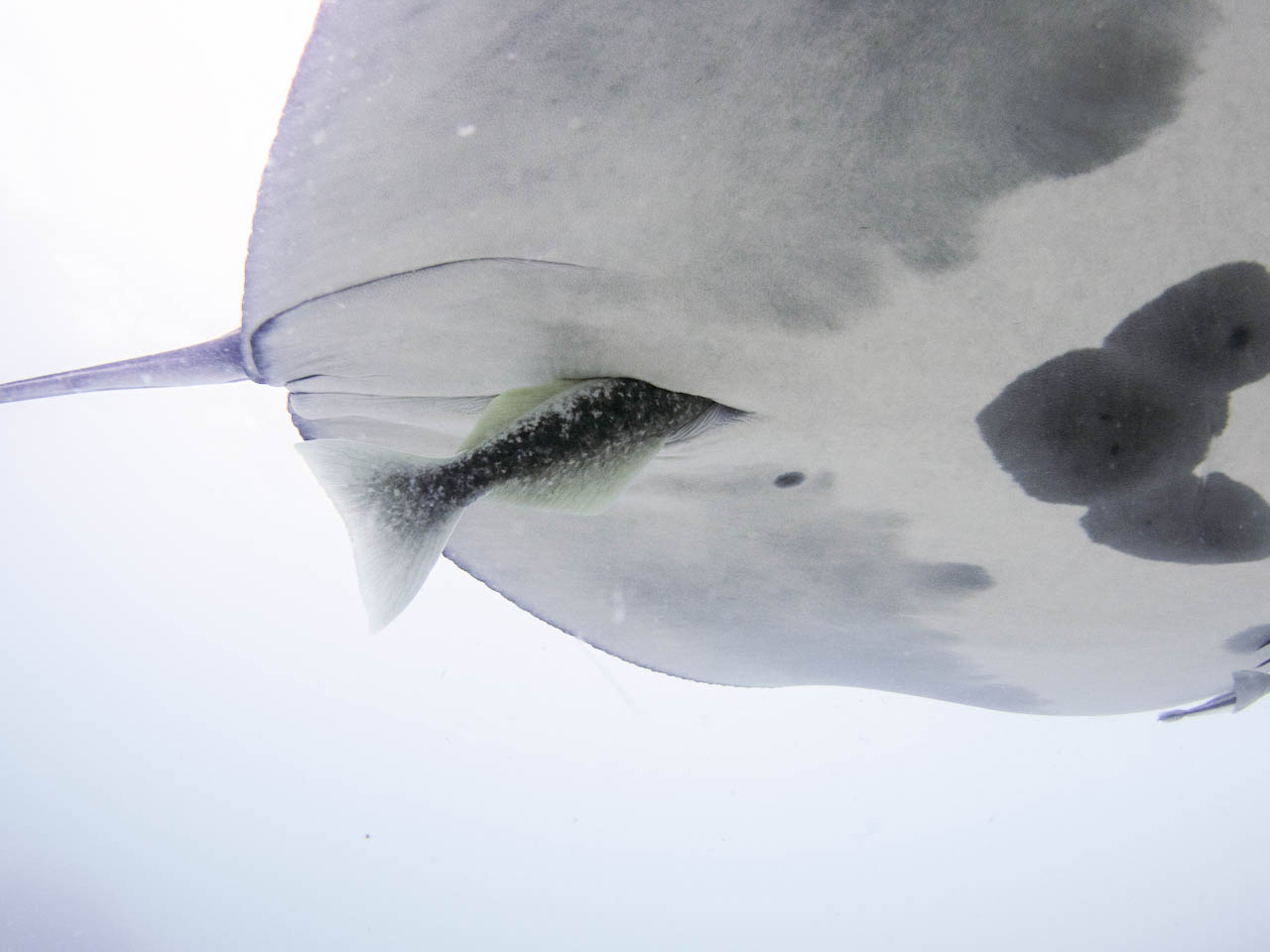
Remora fish, also known as suckerfish, typically attach to the exterior of larger marine animals such as sea turtles, whales and sharks. In some cases, the fish enter the cloaca of manta rays for protection, according to a study published on Monday in the journal Ecology and Evolution.
The researchers described the behavior as cloacal diving. The paper documents seven instances between 2010 and 2025 involving all three known species of manta ray. The observations, gathered by the Marine Megafauna Foundation, took place in three separate ocean basins.
In several cases, the remora entered so far inside the ray that only the tip of its tail remained visible. In other instances, the manta ray was not large enough to fully contain the remora, leaving half of the fish outside.
The senior author of the study said the manta rays do not appear to welcome the behavior. The observations suggest the action may be more common than previously recorded among manta rays and associated remora species. Similar cloacal diving by remoras has been noted before in whale sharks.
The new report represents the first documentation of the behavior in manta rays. Questions remain about the precise nature of the interaction between the species. The study indicates that when danger approaches, remoras sometimes use this method rather than attaching externally.
The behavior was previously unobserved in manta rays despite extensive research on both species.