Report Indicates Iran's Nuclear Capabilities Remain Intact After Bombing Campaign
A report states that Iran's facilities for nuclear bomb development survived a five-week period of bombing. The bombing involved actions attributed to the United States and Israel. This development raises questions about the effectiveness of the military actions.
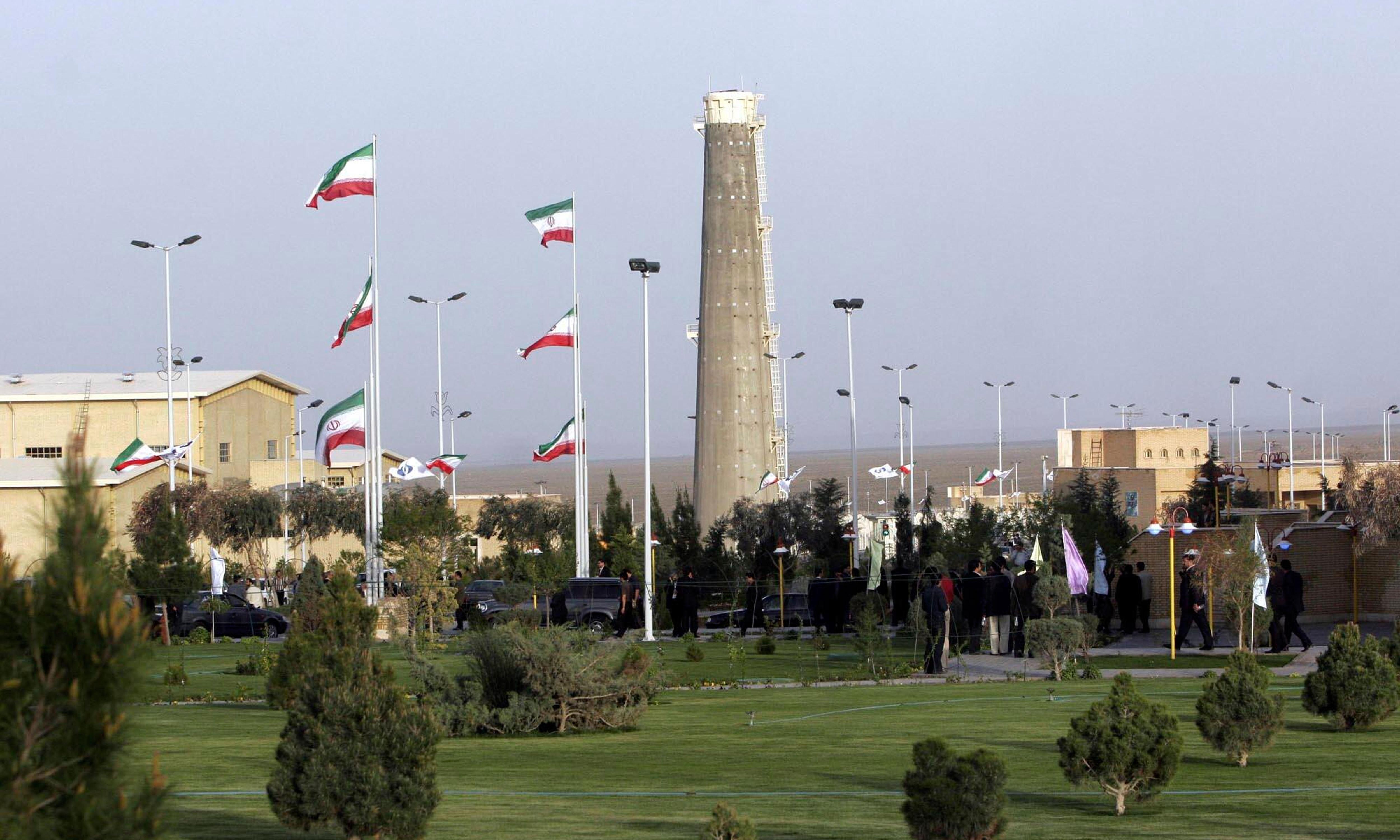 deccanchronicle.com
A recent report has detailed the status of Iran's nuclear program following a five-week bombing campaign. The report indicates that most tools required for nuclear bomb production remained intact despite the strikes. The bombing was conducted by the United States and Israel.
The campaign lasted five weeks and targeted various sites in Iran. According to the report, the strikes did not significantly impair the key components of Iran's nuclear capabilities. This outcome suggests that the military efforts may not have achieved their intended disruption to the program.
Background on Iran's nuclear activities includes long-standing international concerns over its potential to develop nuclear weapons. The country has maintained that its program is for peaceful purposes, such as energy production. However, inspections and reports have highlighted enrichment activities that could support weaponization.
the Bombing Campaign The five-week period of bombing involved multiple airstrikes on facilities believed to be part of Iran's nuclear infrastructure.
Targets included sites involved in uranium enrichment and related research. The report notes that while some damage occurred, the essential tools for bomb-making were preserved. International observers have monitored Iran's compliance with nuclear agreements for years.
Previous sanctions and diplomatic efforts aimed to curb the program. The recent military actions represent an escalation in response to perceived threats. The intact status of these tools means Iran retains the capacity to advance its nuclear efforts.
This could influence ongoing diplomatic negotiations and security assessments in the region. Affected parties include neighboring countries and global non-proliferation bodies.
The preservation of nuclear tools may prompt renewed calls for diplomatic solutions.
Stakeholders in the Middle East could face heightened tensions as a result. Future monitoring by international agencies will likely intensify to track any progress in Iran's program. What happens next includes potential evaluations of the bombing's outcomes by involved parties.
Reports suggest that additional measures might be considered if the nuclear threat persists. The situation underscores the challenges in addressing proliferation through military means alone.