Reporter Accesses Chernobyl Scientific Sites
A reporter from New Scientist obtained access to key scientific sites in the Chernobyl area. Researchers there are working to maintain safety and protection of the zone. The efforts occur amid ongoing threats of attacks from Russia.
 nationalpost.com
A reporter from New Scientist visited crucial scientific sites in the Chernobyl exclusion zone. The access allowed observation of research activities focused on environmental monitoring and safety measures. These sites are part of efforts to manage the long-term effects of the 1986 nuclear disaster.
Researchers at the sites conduct studies on radiation levels, wildlife populations, and ecosystem recovery. The work includes data collection to assess contamination and inform future management strategies. The exclusion zone spans approximately 2,600 square kilometers in Ukraine and Belarus.
The visits highlight the challenges of maintaining scientific operations in a restricted area. Equipment and personnel must adhere to strict safety protocols to avoid exposure to residual radiation. International collaboration supports some of these research initiatives.
Security concerns have increased due to the proximity of the zone to conflict areas. Researchers continue their work despite the potential for disruptions from military activities. The threat of attacks from Russia has prompted additional protective measures.
Protecting the sites involves monitoring for unauthorized access and ensuring the integrity of storage facilities for radioactive materials. Any breach could release contaminants into the environment, affecting surrounding regions. Ongoing assessments evaluate risks to both human health and biodiversity.
The reporter's access provided insights into daily operations and the dedication of the research teams. Documentation from the visits includes photographs and interviews with personnel. Such reporting contributes to public understanding of the zone's status as of 2026.
Story Timeline
2 events- 2026
Reporter from New Scientist gains access to Chernobyl scientific sites.
1 source@NewScientist - Ongoing
Researchers work to protect Chernobyl area amid threats from Russia.
1 source@NewScientist
Potential Impact
- 01
Potential attacks could disrupt environmental monitoring efforts.
- 02
Increased security measures may limit researcher access to sites.
- 03
Threats may accelerate international aid for protection.
- 04
Public reporting raises awareness of zone's safety status.
Multi-source corroboration verifies facts, not framing. This panel scores the Substrate rewrite you just read (top score) and the raw source bundle it came from. A positive delta means the rewrite stripped framing from the sources; a negative or zero delta means our neutralizer let some through.
Researchers at Chernobyl are advancing scientific protections that could enhance long-term safety, despite regional geopolitical tensions.
- Lede misdirectionnotable“TITLE: Reporter Gains Access to Chernobyl Scientific Sites Amid Security Concerns”Leads with reporter's visit instead of substantive research or security risksThe headline leads with who shared, posted, or reacted to the event rather than the substantive event itself — burying the actual news behind the messenger.
- Valence skewminor“Security concerns have increased due to the proximity... threat of attacks from Russia”Systematically negative framing of Russian military threatsAdjectives and adverbs systematically slant toward one interpretation even though the underlying facts are neutral.
Transparency Panel
Related Stories
 benzinga.com
UK Foreign Office Minister Announces Halt to Chagos Islands Sovereignty Treaty with Mauritius
Stephen Doughty, a Foreign Office minister, stated that the treaty to cede sovereignty of the Chagos Islands to Mauritius has become impossible to agree at the political level. He added that the corresponding bill will not complete its passage through parliament. Doughty noted th…
 NASA Johnson Space Center / Wikimedia (Public domain)
NASA's Artemis II Completes First Manned Moon Mission Since 1972, Sets Distance Record
NASA's Artemis II mission completed a flight around the moon and splashed down in the Pacific Ocean on Saturday. The mission marks the first manned moon mission since 1972 and set a record for the furthest humans have travelled into space at 252,756 miles (406,771km). Meanwhile,…
 Science News
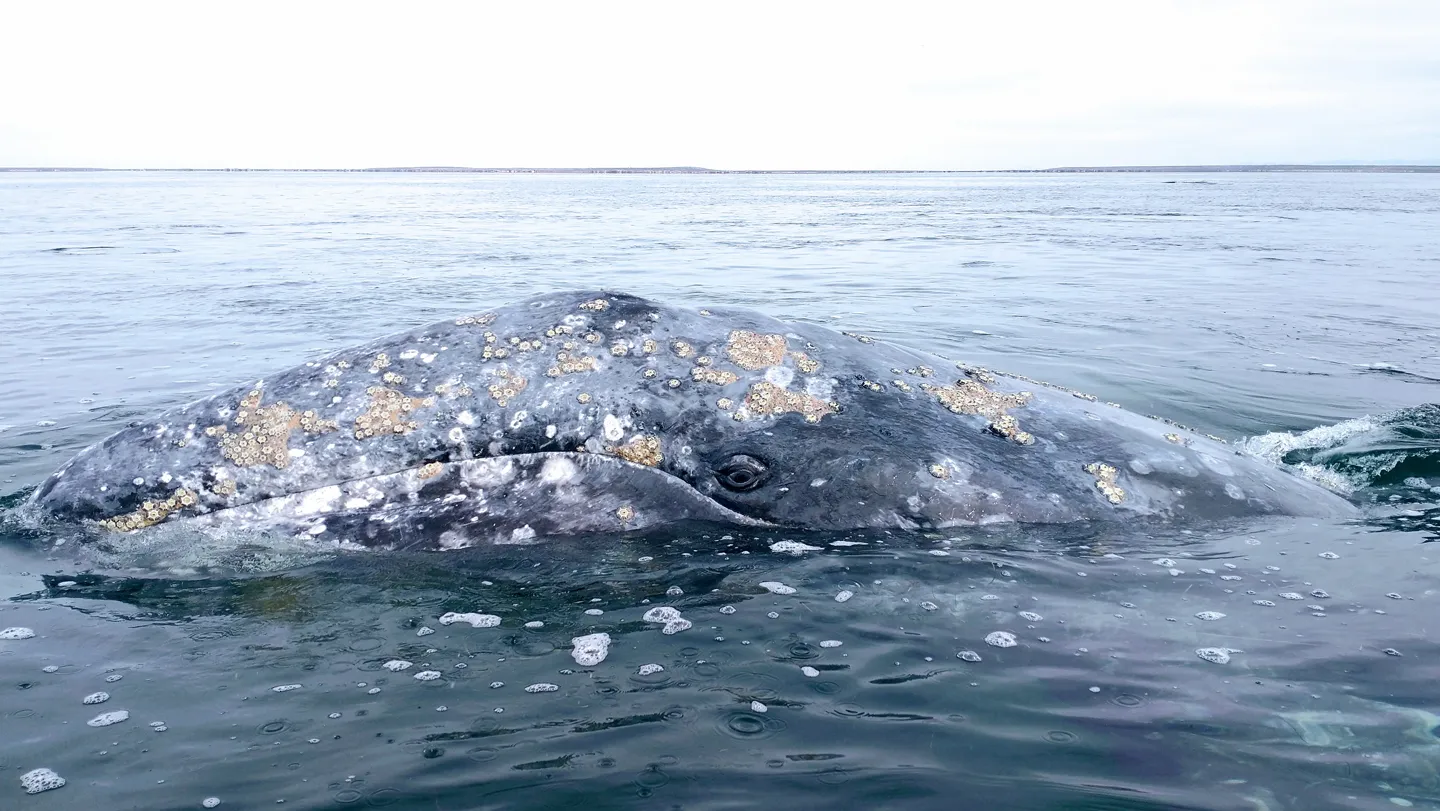
Nearly 1 in 5 Gray Whales Entering San Francisco Bay Die There, Study Finds
Researchers report that approximately 18 percent of photo-identified gray whales visiting San Francisco Bay from 2018 to 2025 died after entering the area. The deaths, often from vessel strikes, coincide with a population decline linked to reduced Arctic food availability. The fi…