Substrate
world

Reporter Traces South American Gold to Royal Canadian Mint

A New York Times investigative reporter examined the origins of gold used by the United States Mint for investor-grade coins. The inquiry revealed that gold originating in South America was mixed with U.S. gold and sent to the Royal Canadian Mint for refining. The Royal Canadian Mint had previously stated that all its refined gold originates in North America.

The New York Times
uctoday.com
2 sources·May 16, 10:00 AM(13 days ago)·1m read
|
Reporter Traces South American Gold to Royal Canadian Mintuctoday.com
Audio version
Tap play to generate a narrated version.
Developing·Limited corroboration so far. This page will refresh as more sources emerge.

U.S. law requires that such coins be made from gold mined in the United States.

The United States Mint obtains its gold from a small group of refiners, one of which is the Royal Canadian Mint. The reporter contacted the Royal Canadian Mint to inquire about the origin of its gold. The Royal Canadian Mint stated that all of the gold it refined originates in North America.

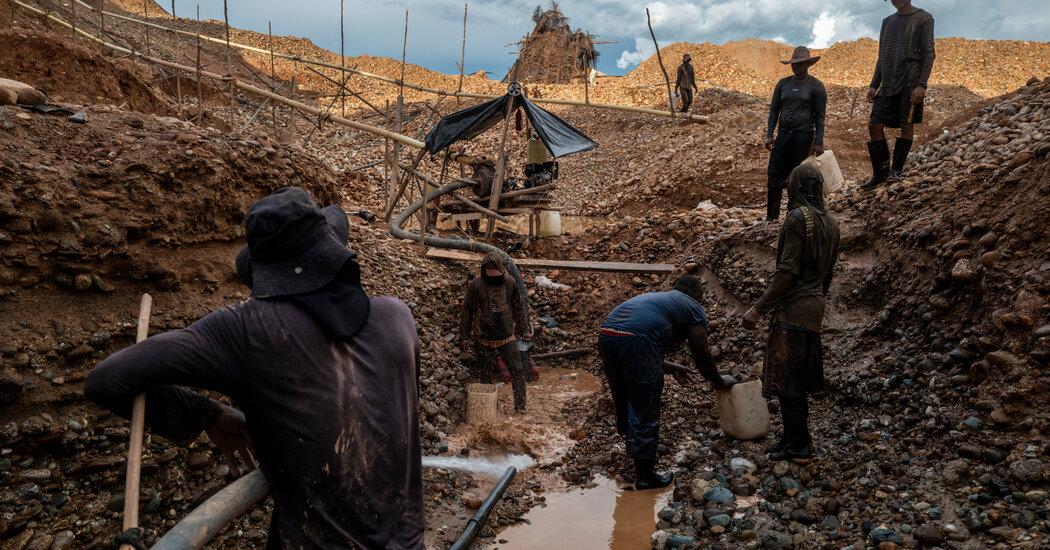
The reporter then turned attention to other aspects of the supply chain. A gold dealer in Texas later told the reporter that the company imported gold from South America, melted it with gold from the United States and sent the mixture to the Royal Canadian Mint for refining. The reporter decided to investigate the origins of the South American gold that the dealer had imported.

The investigation followed the path of drug cartel gold that reached mints in both the United States and Canada. The findings illustrate the complexities in tracing gold provenance through international supply chains that involve multiple refiners and mixing stages.


Key Facts

U.S. law
requires investor-grade coins use domestically mined gold
Royal Canadian Mint
one of few refiners supplying U.S. Mint
Royal Canadian Mint statement
all refined gold originates in North America
Texas dealer
mixed South American gold with U.S. gold for refining
Investigation focus
origins of South American gold sent to Canada

Story Timeline

4 events
  1. Late last month

    The New York Times published articles on cartel gold reaching U.S. and Canadian mints.

    1 sourceThe New York Times
  2. Prior to publication

    Reporter contacted the Royal Canadian Mint about gold origins.

    1 sourceThe New York Times
  3. Prior to publication

    Texas gold dealer disclosed importing and mixing South American gold.

    1 sourceThe New York Times
  4. Prior to publication

    Reporter began investigating origins of South American gold imports.

    1 sourceThe New York Times

Potential Impact

  1. 01

    The Royal Canadian Mint could face questions about its due diligence on mixed gold shipments.

  2. 02

    U.S. Mint suppliers may need to strengthen documentation of gold country of origin.

  3. 03

    The story may prompt law enforcement to examine mixing practices used by gold dealers.

Transparency Panel

Sources cross-referenced2
Confidence score65%
Synthesized bySubstrate AI
Word count171 words
PublishedMay 16, 2026, 10:00 AM
Bias signals removed2 across 1 outlet
Signal Breakdown
Loaded 1Editorializing 1

Related Stories

Journalists in Gaza to Receive 2026 Golden Pen of Freedom Awardstraitstimes.com
world2 hrs ago

Journalists in Gaza to Receive 2026 Golden Pen of Freedom Award

Three international news agencies will accept the award on behalf of their local staff still reporting from the territory. The World Association of News Publishers cited the journalists' continued coverage under extreme conditions.

Al-Monitor
AF
2 sources
Supreme Court Revives Havana Docks Lawsuit Over Confiscated Cuban Propertyupi.com
world2 hrs ago

Supreme Court Revives Havana Docks Lawsuit Over Confiscated Cuban Property

The U.S. Supreme Court sent a Helms-Burton Act case back to lower courts for further argument. The suit seeks damages from cruise lines that used docks seized by Cuba in 1959.

FO
1 source
Pakistan Population Growth Outpaces Infrastructure as Male Contraception Stays TabooFrance 24
world2 hrs agoDeveloping

Pakistan Population Growth Outpaces Infrastructure as Male Contraception Stays Taboo

Pakistan's population exceeds 258 million and could reach 300 million by 2030. Contraception remains largely taboo in a society shaped by traditional values. The country continues to lag behind neighbors India and Bangladesh in key social sectors.

FR
France 24
2 sources