politics
Republican Redistricting Plans Stall in Four Southern States
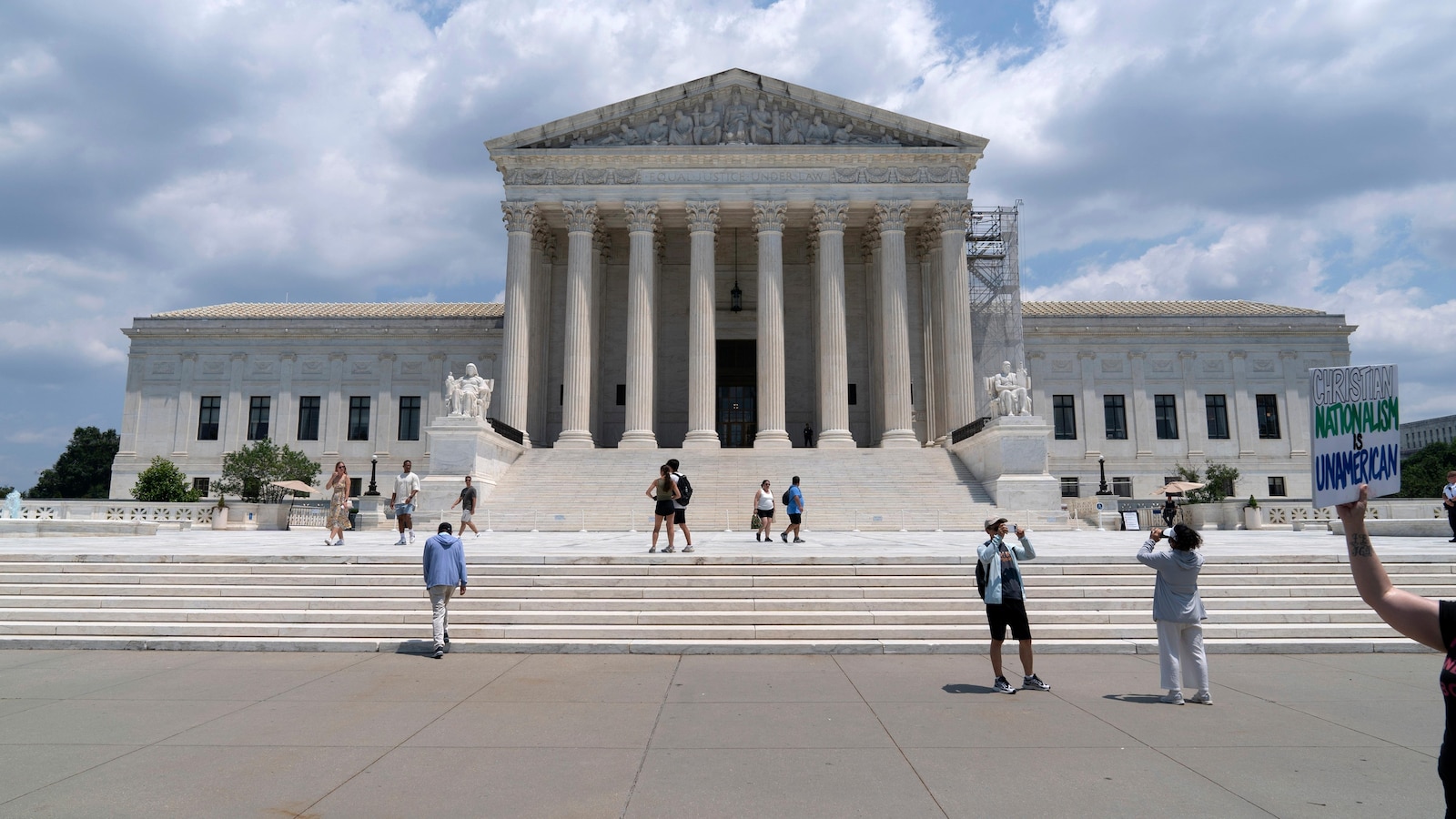
Republican-led legislatures in four Southern states have slowed or scaled back plans to redraw congressional maps following a Supreme Court ruling on racially gerrymandered districts. Mississippi's governor canceled a special session that was expected to address judicial and congressional redistricting.
May 13, 5:01 PM·2m read2 sources

 nbcnews.com
Audio version
Tap play to generate a narrated version.
Developing·Limited corroboration so far. This page will refresh as more sources emerge.
Republican efforts to redraw congressional maps in Southern states hit obstacles this week after an initial push that followed a Supreme Court ruling allowing changes to racially gerrymandered districts. The Supreme Court issued its decision on April 29.
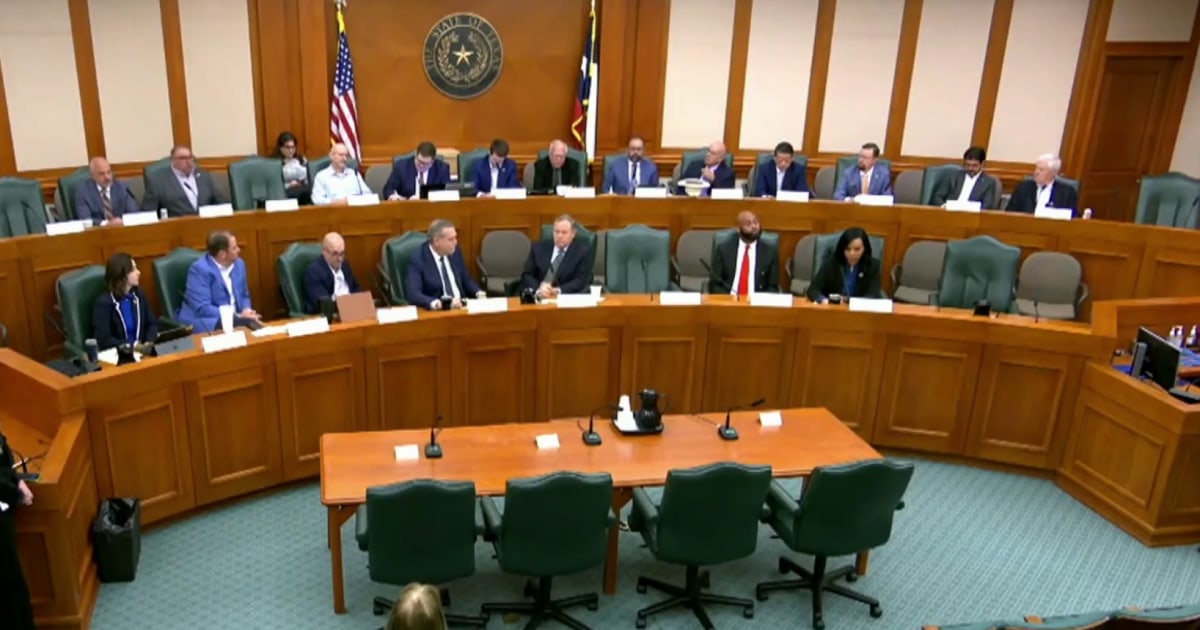
A cascade of red-state redistricting appeared to lose momentum Wednesday as four Southern states wavered on plans that would have created additional Republican-leaning seats. Tate Reeves signaled he would cancel a special legislative session. The session would have redrawn the state's Supreme Court districts and possibly its congressional districts ahead of the November midterm elections.
In South Carolina, the Republican-led state Senate blocked a resolution Tuesday. The resolution would have cleared the way for lawmakers to consider a new map that would have redrawn a congressional seat held by a Black Democrat. "Republicans are stronger when the Democrat Party is vibrant and viable," a state Senate Majority Leader said in a floor speech arguing against the redistricting.
Lawmakers in two other Southern states voted to redraw their congressional maps to eliminate racially gerrymandered districts. Each legislature created only one additional Republican-leaning seat instead of the two that some in the party had hoped to secure.
Republicans are now poised to forgo carving out four additional seats that would likely favor their candidates in November as the party works to hold its narrow majority in the U.S. House.
Democrats are preparing an aggressive response in blue states. They announced plans to gerrymander additional congressional districts in their favor in at least seven states ahead of the 2028 elections. "It's just getting started," the House Minority Leader said.