science
Research Indicates Blue Light from Screens Does Not Significantly Impair Sleep
A decade of advice has warned that screen blue light disrupts sleep, but recent studies suggest this effect is minimal. The primary factors affecting sleep quality are sleep deprivation and circadian rhythm disruptions from irregular schedules. Experts recommend focusing on consistent sleep habits rather than screen filters.
Apr 8, 6:00 AM·1m read1 source
 bbc.com
Audio version
Tap play to generate a narrated version.
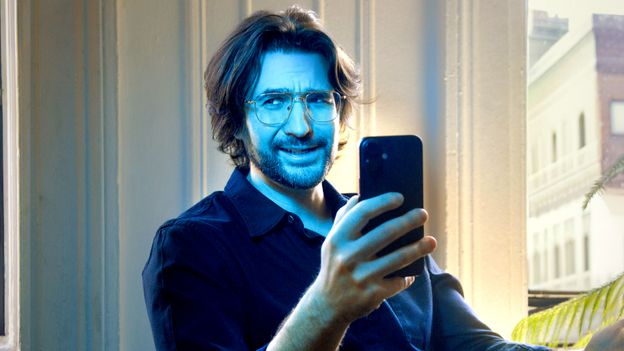
For the past decade, public health guidance has frequently stated that exposure to blue light from electronic screens contributes to sleep disturbances. This advice has led many individuals to use screen filters or avoid devices before bedtime. However, recent scientific reviews challenge the extent of this impact.
A meta-analysis published in the journal Sleep Medicine Reviews examined data from multiple studies involving over 7,000 participants. The analysis found that while blue light can slightly suppress melatonin production, the effect on overall sleep quality is small and often negligible in real-world settings. Lead researcher Dr.
Paul Montgomery from the University of Oxford noted that the timing and duration of screen use play a more significant role than light color alone.
identify sleep deprivation as a major contributor to poor sleep, often exacerbated by factors beyond screen exposure.
Irregular sleep schedules disrupt the body's circadian rhythm, which regulates natural sleep-wake cycles. This rhythm is influenced by light exposure during the day and darkness at night, but evening screen time alone does not substantially alter it for most people.
The stakes involve widespread public health, as poor sleep affects cognitive function, mood, and long-term health risks such as cardiovascular disease.
Affected groups include students, workers with shift schedules, and anyone with inconsistent bedtimes. Addressing these broader issues could improve sleep for millions globally.
organizations like the Sleep Foundation advise maintaining consistent sleep routines and ensuring adequate daytime light exposure to support circadian health.
Future research may explore individual variations, such as age or pre-existing sleep disorders, in response to screen light. Policymakers and tech companies could update guidelines to emphasize holistic sleep strategies over device-specific fixes. In the interim, individuals seeking better sleep should prioritize 7-9 hours of nightly rest and limit caffeine intake.