Substrate
science

Researchers Engineer Fish Proteins to Create Electrical Synapses in Mammalian Brain Circuits

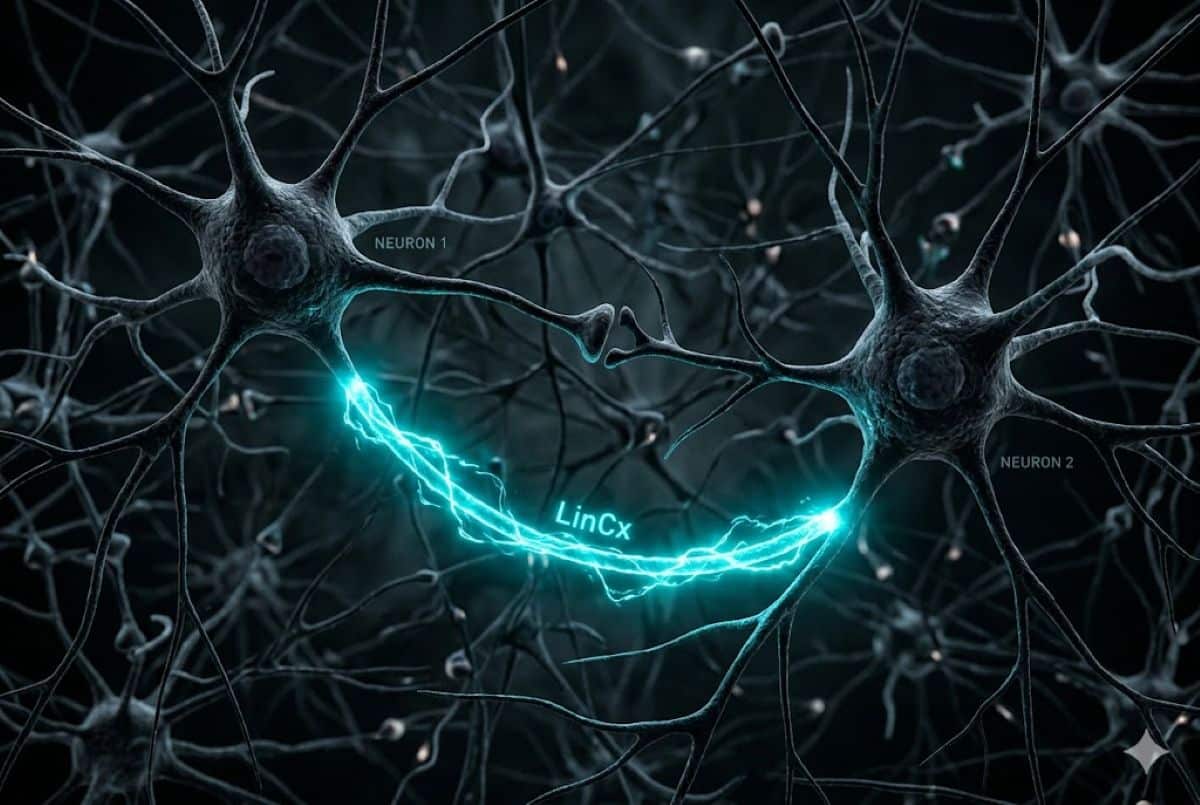
A research paper published by Nature describes the development of an engineered electrical synapse using two connexin proteins from white perch fish. The proteins were modified to form synapses selectively with each other but not with mammalian connexins. The approach, called LinCx, was tested in worms and mice to strengthen communication between distinct cell types and alter behavior.

NA
neurosciencenews.com
2 sources·May 14, 5:46 PM(15 days ago)·2m read
Researchers Engineer Fish Proteins to Create Electrical Synapses in Mammalian Brain Circuitsneurosciencenews.com
Audio version
Tap play to generate a narrated version.
Developing·Limited corroboration so far. This page will refresh as more sources emerge.

Electrical signalling between different populations of brain cells supports cognitive and emotional functions. Approaches that can selectively regulate signalling between specific cell types in mammalian neural circuits have been limited. A research paper published by Nature reported the engineering of an electrical synapse using two connexin proteins from white perch fish.

The proteins, connexin 34.7 and connexin 35, were modified through protein mutagenesis. Researchers developed a new in vitro system to test connexin hemichannel docking and used computational modelling to identify a structural motif involved in electrical synapse formation.

Targeting this motif produced hemichannels that dock with each other to form functional electrical synapses but do not interact with major connexins found in the mammalian central nervous system. The engineered synapse was validated in vivo in Caenorhabditis elegans worms and Mus musculus mice.

It strengthened communication across neural circuits made up of distinct cell types and modified the animals' behaviour. The paper establishes a method called long-term integration of circuits using connexins, or LinCx, for precision circuit editing in mammals.

By exploiting protein mutagenesis and computational modelling, the team identified a structural motif contributing to electrical synapse formation. The modified connexin 34.7 and connexin 35 hemichannels were designed to interact only with each other.

This selectivity avoids unintended coupling with the mammalian connexins normally expressed in the central nervous system. The new in vitro assay system allowed direct testing of hemichannel docking. Computational modelling supported the identification of the key motif.


These steps produced a tool that can be expressed in chosen cell populations to create synthetic electrical connections.

Experiments in worms and mice showed that the engineered electrical synapse can strengthen signalling between paired cell types. The resulting changes in circuit function led to corresponding modifications in behaviour. The approach provides a means to edit neural circuits over the long term in mammals.

The paper noted that electrical signalling underpins cognitive and emotional functions. The LinCx method offers a new way to regulate signalling between specific cellular components of a neural circuit. Further development could expand the toolkit available for circuit-level neuroscience research.

Key Facts

Connexin 34.7 and 35
from white perch fish, engineered to form selective electrical synapse
LinCx method
long-term integration of circuits using connexins for mammals
Tested in worms and mice
strengthened distinct cell-type circuits and altered behaviour
Selective docking
avoids interaction with mammalian central nervous system connexins

Story Timeline

3 events
  1. 2026-05-14

    Nature publishes research paper on engineered electrical synapse using fish connexins.

    1 source@Nature
  2. Prior to 2026

    Researchers perform protein mutagenesis, create in vitro docking assay, and conduct computational modelling.

    1 source@Nature
  3. Prior to 2026

    Engineered connexins validated in C. elegans worms and mice, showing strengthened circuits and modified behaviour.

    1 source@Nature

Potential Impact

  1. 01

    The LinCx approach may enable targeted long-term modulation of specific neural circuits in mammals.

  2. 02

    The selective synapse design reduces risk of off-target coupling with native mammalian proteins.

  3. 03

    Researchers gain a new tool to study electrical signalling's role in cognitive and emotional functions.

  4. 04

    Future circuit-editing applications could emerge in molecular neuroscience research.

Transparency Panel

Sources cross-referenced2
Confidence score75%
Synthesized bySubstrate AI
Word count352 words
PublishedMay 14, 2026, 5:46 PM
Bias signals removed3 across 2 outlets
Signal Breakdown
Framing 1Loaded 1Editorializing 1

Related Stories

WHO Director Visits Congo as Ebola Outbreak SpreadsNpr
science4 hrs ago

WHO Director Visits Congo as Ebola Outbreak Spreads

The head of the World Health Organization arrived in Kinshasa to support efforts against a rare Ebola strain. Health workers face equipment shortages, community distrust, and armed conflict in affected provinces.

Npr
France 24
2 sources
FDA Panel Recommends XFG Variant for Fall Covid Shotsmedpagetoday.com
science2 hrs agoDeveloping

FDA Panel Recommends XFG Variant for Fall Covid Shots

Replimune will submit an application to the FDA for the third time. Pfizer and Innovent Biologics reached a collaboration agreement valued at up to $10.5 billion.

Stat
1 source
Benzinga Publishes Article on Biotech Stocks During Pandemic Recoveryfinance.yahoo.com
science6 hrs agoDeveloping

Benzinga Publishes Article on Biotech Stocks During Pandemic Recovery

Benzinga published an article titled 'Best Biotech Stocks Right Now' that addresses the sector's position during global recovery from the pandemic. The piece notes government institutions and professional traders are focusing on biotech companies for vaccine and booster developme…

Benzinga
1 source