Substrate
science

Resin analysis of incense in Pompeii links Roman city to African trade

Researchers identified resin from African rainforests in incense burners excavated from a Pompeii household shrine. The findings indicate trade connections between the Roman city and sub-Saharan Africa via the Red Sea as early as the first century BC.

Semafor
1 source·May 22, 1:24 PM(7 days ago)·1m read
Resin analysis of incense in Pompeii links Roman city to African tradeSemafor
Audio version
Tap play to generate a narrated version.
Developing·Limited corroboration so far. This page will refresh as more sources emerge.

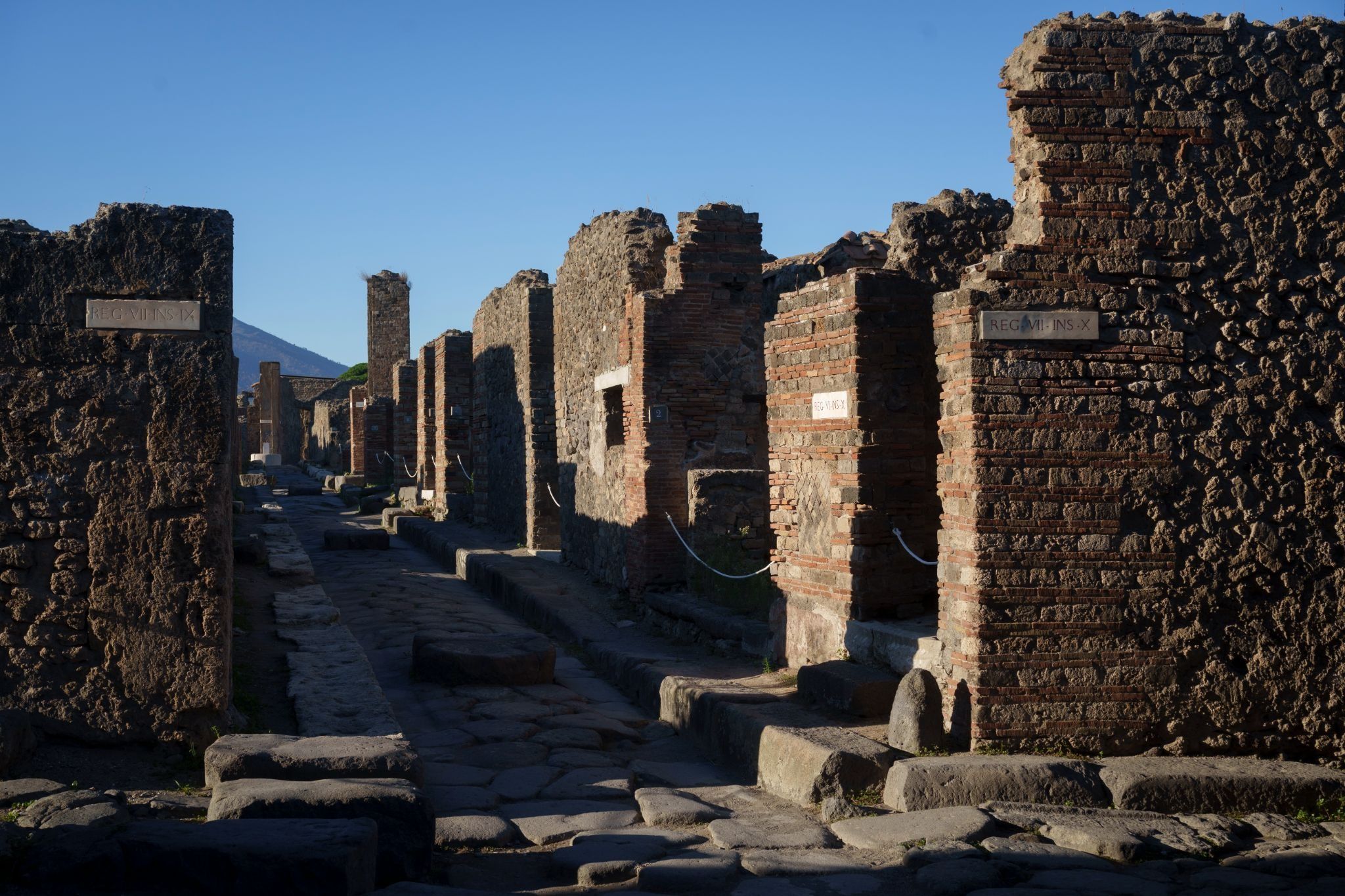
An analysis of incense burners found in Pompeii suggested new potential trade links between the ancient Roman city and sub-Saharan Africa. Archeologists first discovered the remnants of the burnt offerings at a household shrine in the 1980s. Now, for the first time, researchers have published their analysis of the residue inside.

They identified a type of resin native to tropical regions in Africa and Asia that points to Pompeii’s links to civilizations far beyond its borders, Smithsonian magazine reported. Resins from African rainforests were likely traded alongside other commodities from sub-Saharan Africa via the Red Sea from at least the first century BC, noted the researchers.

Even after hundreds of years of excavations, around a third of Pompeii still lies buried beneath volcanic ash from the eruption of Mount Vesuvius in AD 79.

Key Facts

Resin identification
Resin native to tropical Africa and Asia found in Pompeii incense burners
Trade route
Likely via Red Sea from sub-Saharan Africa starting first century BC
Excavation status
One-third of Pompeii remains buried under volcanic ash from AD 79

Story Timeline

2 events
  1. 1980s

    Archeologists discovered incense burner remnants at a Pompeii household shrine.

    1 sourceSemafor
  2. May 22, 2026

    Researchers published analysis identifying resin from African rainforests in the burners.

    1 sourceSemafor

Potential Impact

  1. 01

    Further resin studies could expand understanding of ancient African-Roman trade networks.

Transparency Panel

Sources cross-referenced1
Confidence score65%
Synthesized bySubstrate AI
Word count133 words
PublishedMay 22, 2026, 1:24 PM

Related Stories

WHO Director Visits Congo as Ebola Outbreak SpreadsNpr
science4 hrs ago

WHO Director Visits Congo as Ebola Outbreak Spreads

The head of the World Health Organization arrived in Kinshasa to support efforts against a rare Ebola strain. Health workers face equipment shortages, community distrust, and armed conflict in affected provinces.

Npr
France 24
2 sources
FDA Panel Recommends XFG Variant for Fall Covid Shotsmedpagetoday.com
science2 hrs agoDeveloping

FDA Panel Recommends XFG Variant for Fall Covid Shots

Replimune will submit an application to the FDA for the third time. Pfizer and Innovent Biologics reached a collaboration agreement valued at up to $10.5 billion.

Stat
1 source
Benzinga Publishes Article on Biotech Stocks During Pandemic Recoveryfinance.yahoo.com
science6 hrs agoDeveloping

Benzinga Publishes Article on Biotech Stocks During Pandemic Recovery

Benzinga published an article titled 'Best Biotech Stocks Right Now' that addresses the sector's position during global recovery from the pandemic. The piece notes government institutions and professional traders are focusing on biotech companies for vaccine and booster developme…

Benzinga
1 source