Rising Sea Levels Linked to Increased Salt in Drinking Water and Higher Blood Pressure Risks
A recent analysis indicates that rising sea levels may contaminate drinking water with salt in coastal areas, leading to higher blood pressure among residents. The study found that people consuming saltier water had elevated systolic and diastolic blood pressure and a 26% higher risk of hypertension.
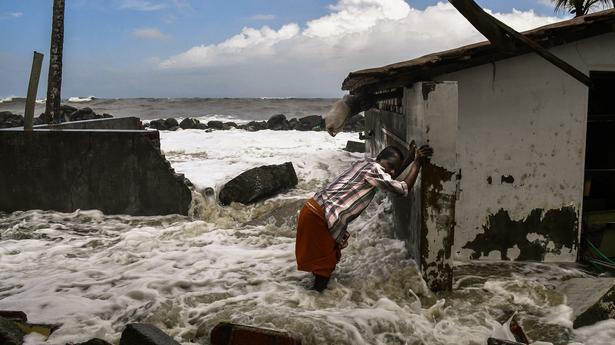 thehindu.com
Researchers have identified a connection between rising sea levels and increased salinity in drinking water, which may contribute to higher blood pressure in coastal populations. A recent analysis examined data on water salinity and human health outcomes.
It found that individuals drinking saltier water, often in coastal areas, had higher average systolic and diastolic blood pressure and were 26% more likely to develop hypertension compared to those with less salty water.
The blood pressure increases were described as modest in the report, with food remaining the primary source of sodium for most people. However, the risk from salty drinking water was comparable to that from physical inactivity, which raises hypertension risk by 15% to 25%.
than 3 billion people live near coasts worldwide, making this a widespread concern.
Coastal geologist Robert Young stated that sea level rise increases coastal groundwater levels, leading to saltwater intrusion into freshwater sources. Young explained that eroding shorelines reduce the slope for groundwater flow, causing a mixture of sea and groundwater. In some locations, this results in saltwater infiltrating drinking water supplies.
Rajiv Chowdhury, professor and chair of Global Health at Florida International University and an author of the study, noted that coastal residents in low- and middle-income countries are particularly vulnerable due to reliance on shallow wells or groundwater.
These areas often lack resources for water monitoring, contamination mitigation, or relocating treatment plants. In the United States, regions like the Gulf Coast, coastal Louisiana, and South Florida face risks, with South Florida depending on the Everglades, a documented site of saltwater intrusion.
Health Implications Young added that individual wells are currently more affected than municipal systems, which must meet strict guidelines and undergo routine testing.
An uptick in salinity at municipal facilities would signal broader issues. Cities may need to invest in treatment updates to handle increased salinity. If sea levels continue to rise at the rate scientists expect — 7.2 feet by the year 2100 — water salinity and potential cardiovascular risk will also continue to climb.
Just a few feet of sea level rise will not only leach saltwater into the ground, but it will also push it into rivers and estuaries.
Existing water treatment facilities are not equipped for saltwater, which is corrosive and requires energy-intensive processes like desalination or reverse osmosis. One proposed solution in vulnerable areas, such as Bangladesh, involves managed aquifer recharge to store freshwater underground. In 2023, high blood pressure was associated with 664,470 deaths in the United States.
To mitigate sodium intake from water, Chowdhury recommended reducing salty foods, consuming potassium-rich fruits and vegetables, and monitoring blood pressure regularly.