ai
Robotics firm tests humanoid robots in Ukraine, plans weaponization trials in 2027
A U.S. company has tested its Phantom humanoid robots in Ukraine and expects to begin weaponization testing next year. The robots are designed for precision tasks that minimize civilian harm and infrastructure damage.
Jul 16, 2:58 AM·1m read1 source
 Euronews
Audio version
Tap play to generate a narrated version.
Developing·Limited corroboration so far. This page will refresh as more sources emerge.
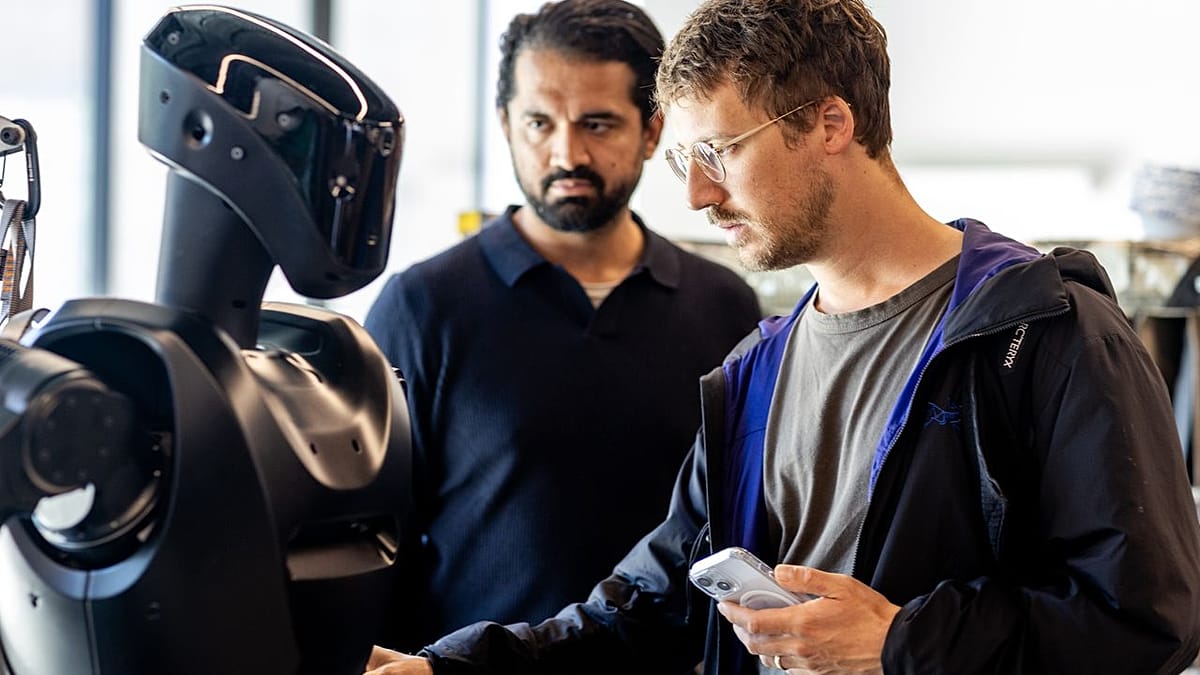
A U.S. robotics company has tested its humanoid robots in Ukraine and plans to begin weaponization trials as early as 2027. Foundation Future Industries builds the Phantom robots for both commercial and military customers. The company has already conducted pilot programs with the robots in Ukraine.
Military applications The company CEO said humanoids would be used for missions requiring precision that aerial bombing cannot achieve. He stated that humanoids would not replace drones but could fill roles where ground combat has become too dangerous for soldiers.
The CEO said the robots make sense when the objective is to avoid destroying infrastructure or harming civilians during complex missions. He added that humanoids could also handle material transport and reconnaissance tasks that have already been tested in Ukraine.
Technical specifications The company is developing the Phantom 2 model with improved durability. The new version is waterproof and dustproof, carries an 80-kilogram payload, and can withstand nearly 100 Gs of force during falls. Battery capacity has increased to 3 kilowatt-hours from the original 25-30 kilogram payload capacity of the first model.
Regulatory context No specific treaty governs the use of humanoid or autonomous robots on the battlefield. They fall under existing international humanitarian law that requires weapons to distinguish between combatants and civilians. The company leases Phantom robots commercially for about $100,000 per robot per year. Military customers purchase the robots at similar pricing.


