Ruling party projected to win most local races as Seoul mayoral contest stays tight
Vote counts showed the Democratic Party ahead in up to 12 of 16 metropolitan and provincial contests. The Seoul mayoral race remained undecided after more than 93 percent of ballots were tallied.
 Yonhap
Interim results from South Korea's June 3 local elections showed the ruling Democratic Party positioned to secure as many as 12 of the 16 metropolitan mayoral and gubernatorial posts, according to National Election Commission figures released early Thursday.
The main opposition People Power Party was on track to win three of those races. In Seoul, the mayoral contest stayed too close to call, with the PPP candidate holding a 48.66 percent to 48.62 percent lead after 93 percent of ballots were counted.
Provincial and local outcomes In Gyeonggi Province, the Democratic Party candidate was projected to win by a wide margin. In Busan, the Democratic Party candidate was declared the winner by a slim margin. Sixteen education superintendent positions, 227 heads of local governments, and roughly 4,000 local council seats were also decided.
Thirteen of the 14 parliamentary by-election seats at stake had previously been held by the ruling party.
Background and context The elections took place one year after the current administration took office. Two exit polls conducted by major broadcasters projected the Democratic Party would win 11 of the 16 key races. m. , though 14 stations in Seoul experienced ballot shortages that temporarily suspended voting at some locations.
Winners were expected to be confirmed around midnight, with results in closely contested races possibly extending into Thursday morning.
Transparency
Reported by a single outlet. This score reflects source tier and factual specificity — corroboration is limited with one source.
Story details
Related Stories
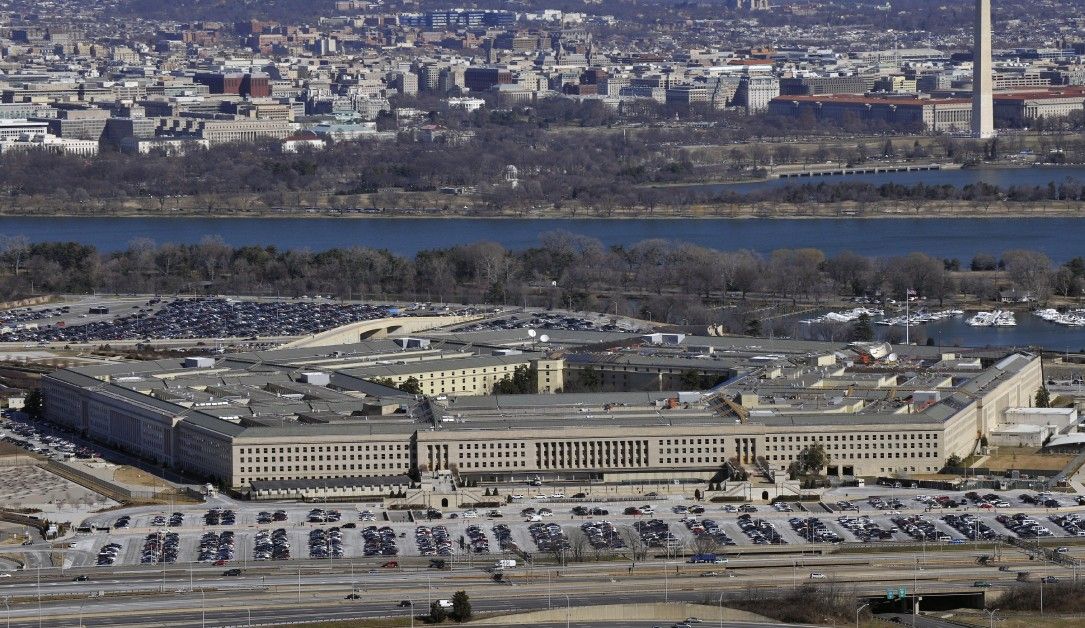 therecord.media
Report: New U.S. Cyber Force Would Cost $10-11 Billion
A new commission report projects that establishing a dedicated U.S. Cyber Force would require between $10 billion and $11 billion in initial funding. The estimate covers startup costs for a separate military service focused on cyber operations.