Russia Builds Global Network of Nuclear Power Plants
Russia has become the leading exporter of nuclear reactors through state-owned Rosatom, which offers full supply chain services and financing. The company is constructing plants in multiple countries including Bangladesh, where fuel loading has begun at the Rooppur facility. The United States is attempting to revive its own nuclear industry as Russia signs new agreements across Asia.
 powermag.com
Russia has become the world's leading exporter of nuclear reactors, with state-owned Rosatom constructing plants in countries across Asia, Europe and Africa. The company provides a full range of services from uranium mining to plant operation and waste disposal, often financing the majority of project costs through government-backed loans.
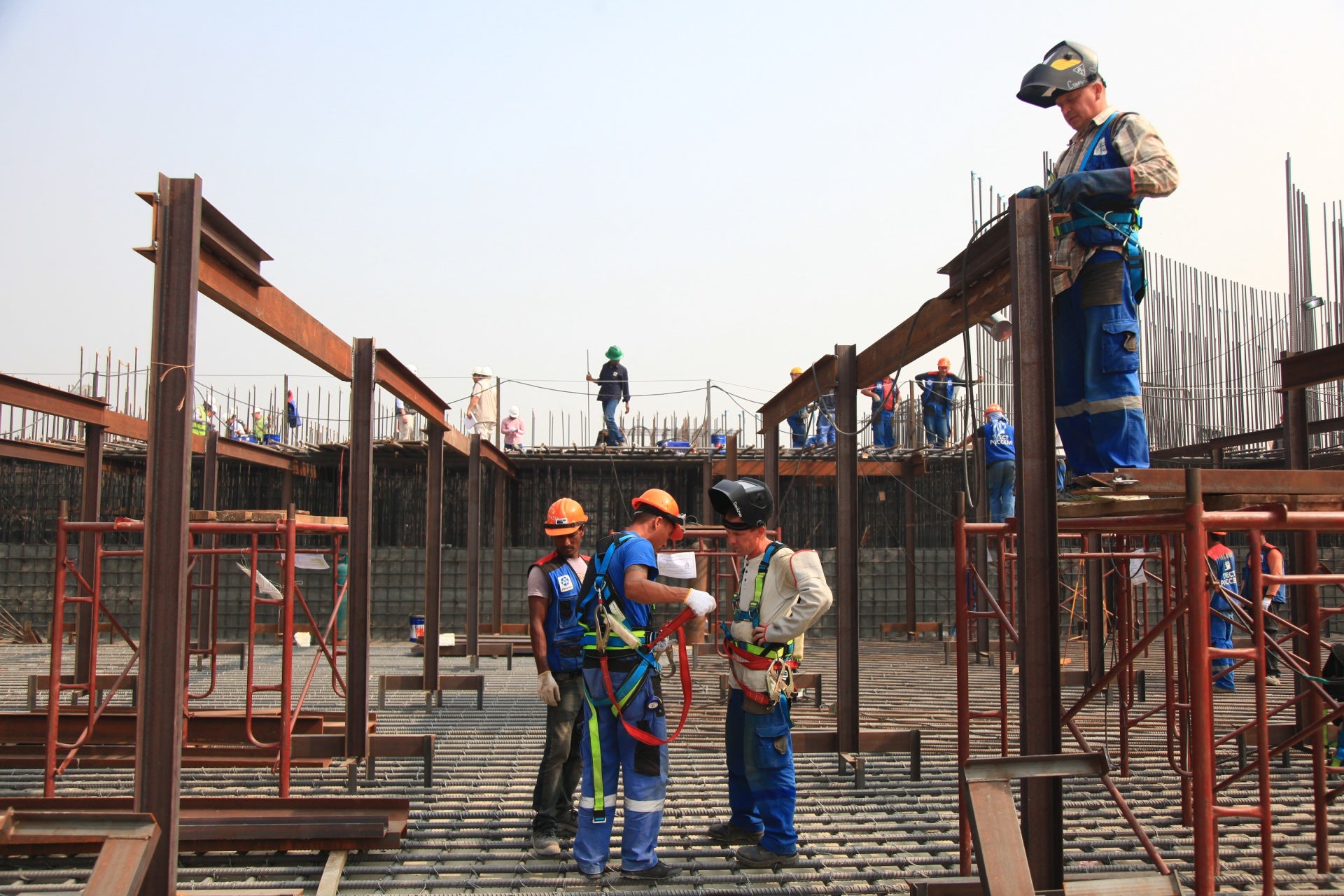
The project, which began development in the 1960s, is expected to reach peak production by 2027. Russian loans covered about 90 per cent of the $13 billion needed for construction. "Operators have finally started loading fuel into the 2,400-megawatt, Rooppur Nuclear Power Plant and plan to hit peak power production by 2027," retired teacher Amirul Islam told The Daily Star.
Rosatom director Alexey Likhachev said the Bangladesh project represented an important step in developing peaceful nuclear power and strengthening relations with foreign partners. The company has built or is building reactors in China, India, Egypt, Türkiye, Hungary and Kazakhstan, and has signed strategic agreements with countries from Morocco to the Philippines.
Rosatom's vertically integrated model allows it to handle nearly every aspect of nuclear energy projects. This approach has proven competitive against other suppliers. In some cases, Rosatom personnel operate the completed plants. "Russia has a build, own and operate model," Marco Siddi of the Finnish Institute of International Affairs said.
" Long construction timelines, fuel supply contracts and technical requirements can link recipient countries to Russia for decades.
Nuclear agreements have sometimes coincided with broader cooperation. A 2018 deal for four plants in China was signed during discussions on deepening strategic ties. Bangladesh secured a billion-dollar arms deal around the time it advanced its Russian nuclear project.
"Russia is always looking for not just customers, but also partners," Ben Zala of Monash University said. Russia's nuclear exports largely escaped Western sanctions imposed after its invasion of Ukraine. The sector's relatively small revenues and limited alternative suppliers contributed to this outcome.
Hungary continues work on its Russian reactors while several Asian countries have expressed interest.
More than 80 per cent of new nuclear capacity between 2012 and 2022 came from Asia. Russia signed an agreement in March to revive Vietnam's stalled Ninh Thuan project and has held discussions with Indonesia. Much of the demand comes from countries seeking to meet growing energy needs and decarbonisation goals.
The United States is seeking to expand its nuclear industry, with President Donald Trump calling for 10 new reactors under construction by 2030. Western projects have faced significant delays and cost increases. Finland's Olkiluoto-3 plant opened more than a decade late at nearly four times the original estimate, while the United Kingdom's Hinkley Point C is now projected to cost 35 billion British pounds.
Russian projects have also experienced delays and budget overruns but typically include generous financing terms. Bangladesh's corruption commission investigated alleged embezzlement of $5 billion related to the Rooppur project in 2024. Rosatom denied the allegations at the time.