Russia and India Activate Defense Pact for Mutual Military Stationing
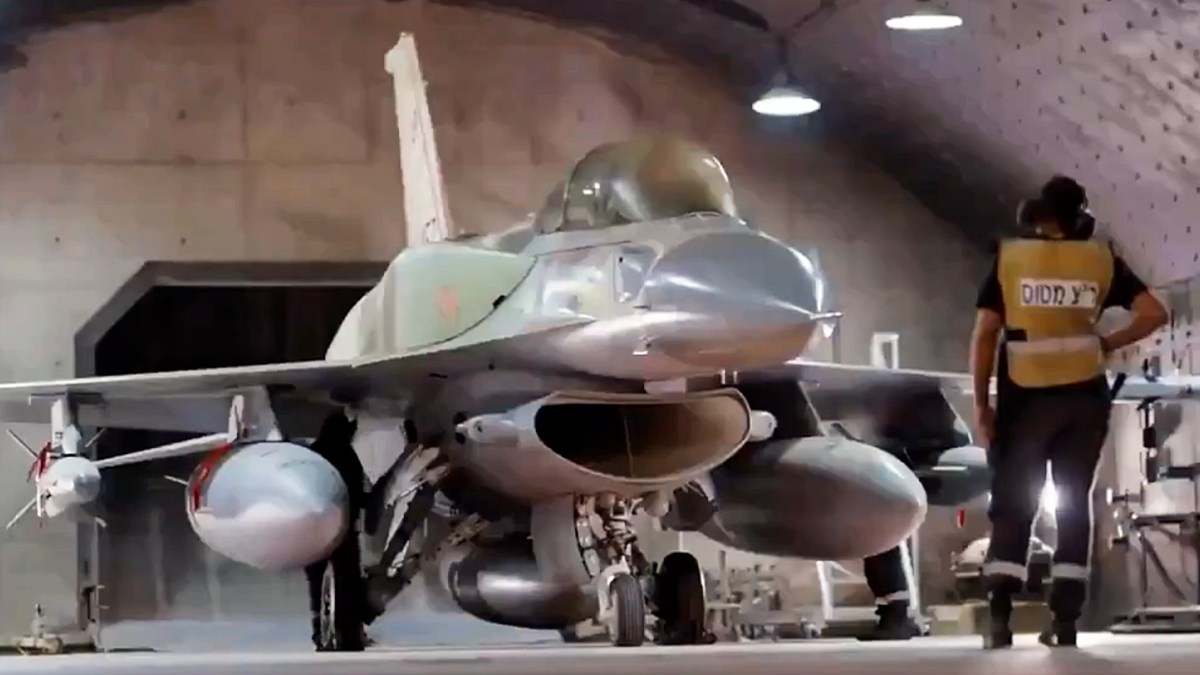
Russia and India have operationalized a defense agreement allowing the stationing of troops, warships, and aircraft on each other's territory. The pact, signed in 2025 and effective since January 2026, aims to facilitate logistics support and military cooperation. Experts noted benefits for both nations in terms of access to strategic regions.
 indiatoday.intoday.in
Russia and India have implemented a bilateral defense agreement that permits the temporary stationing of military personnel and assets on each other's territory. The Reciprocal Exchange of Logistics Support (RELOS) agreement, signed in Moscow in February 2025, was ratified by Russian President Vladimir Putin on December 15, 2025, and became operational on January 12, 2026.
Details of the agreement were published by Russian officials this week. The agreement allows each country to station up to 3,000 troops, five warships, and 10 military aircraft on the other's territory. It provides for the use of military bases, naval ports, and airfields during peacetime and wartime.
The pact is set to remain in force for five years, with options for extension by mutual consent.
to a Kremlin statement, the agreement defines procedures for deploying military formations, port calls by warships, and the use of airspace and airfield infrastructure. It includes logistics support such as refueling, repairs, and supplies for warships and aircraft.
The pact also covers air traffic control, navigation support, aircraft security, fuel, lubricants, and maintenance services. Additionally, the agreement facilitates cross-training between the militaries and cooperation on humanitarian assistance and disaster relief missions.
It streamlines servicing of Russian military hardware in India's inventory.
Andrey Kortunov, academic director of the Russian International Affairs Council, stated that the agreement provides unrestricted access to partner infrastructure and allows reciprocal limited military presence. He noted that it enhances power projection and military outreach capabilities for both sides.
Kortunov added that the pact helps Russia gain capabilities in the Indian Ocean, where it currently lacks military bases or infrastructure. Amitabh Singh, an associate professor at the Centre for Russian and Central Asian Studies at Jawaharlal Nehru University, said the agreement offers Moscow operational range in the Indian Ocean region.
He described it as a mobility pact amid sanctions, allowing Russian ships and aircraft to stay deployed longer. Singh also stated that it signals Russia's meaningful partnerships in Asia.
Ajai Malhotra, former Indian ambassador to Russia, said the agreement marks a shift to operational logistics cooperation beyond equipment supply. He noted that it provides India with access to Russian facilities in the Arctic and Far East. Malhotra added that the pact diversifies risk by offering logistics access outside Western-controlled networks.
Praveen Donthi, senior India analyst at the International Crisis Group, stated that the agreement strengthens India's access from the Pacific to the Arctic. Amitabh Singh said it counters China's access to northern sea routes and allows India to host Russia in the Indian Ocean.
has been a major arms supplier to India since the 1960s, with Russian hardware comprising the majority of India's military inventory. The agreement builds on longstanding defense ties, which have persisted amid global events including Russia's invasion of Ukraine in 2022 and subsequent Western sanctions.
India has continued purchasing Russian crude oil despite criticism from U.S. President Donald Trump and European leaders. The pact represents India's first allowance of foreign military stationing on its soil. It occurs against the backdrop of ongoing global conflicts affecting economies in both countries.