Russia Launches Large Aerial Assault on Ukraine Using Hypersonic Missile
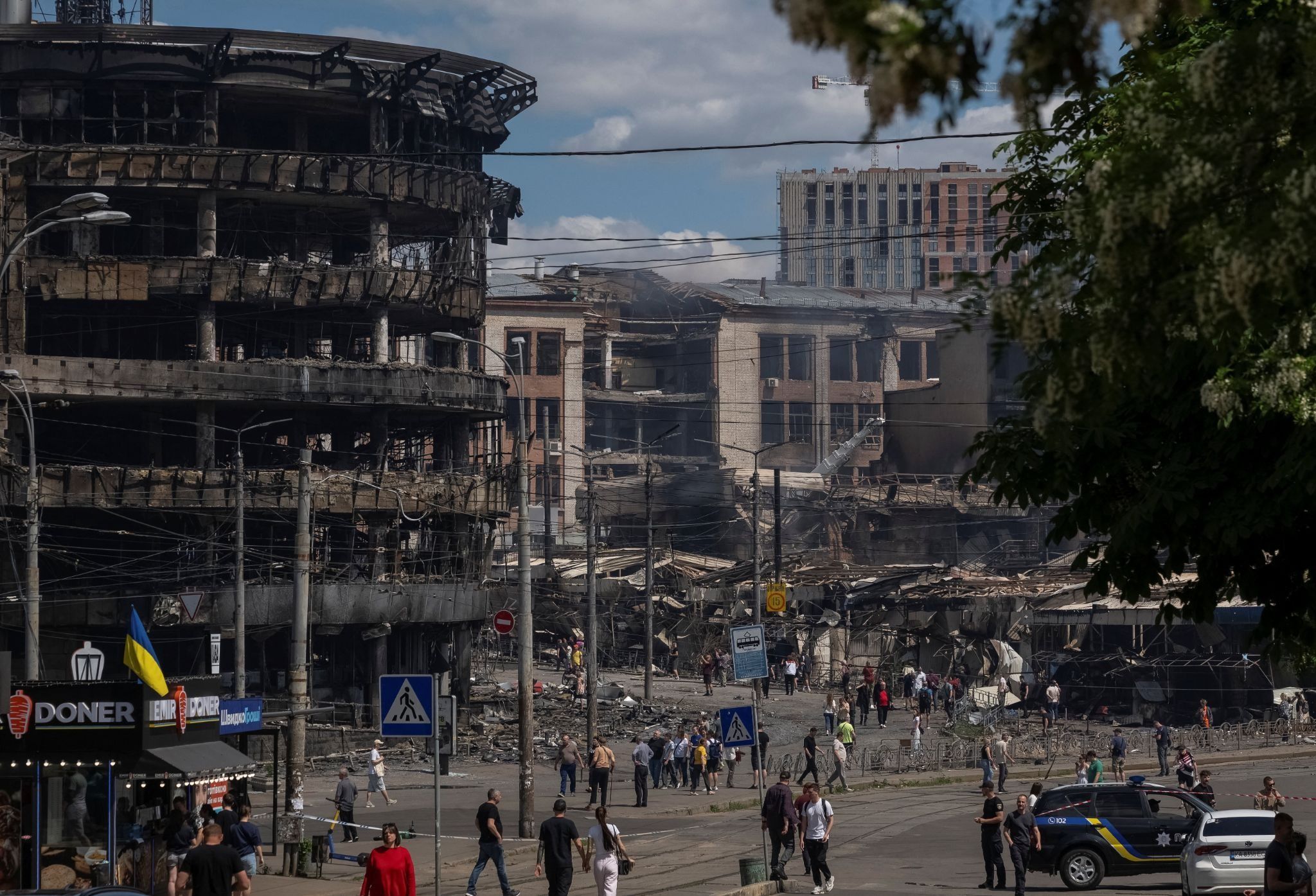
Russia conducted one of its largest aerial attacks on Ukraine on Sunday, deploying a hypersonic ballistic missile. The strike followed a brief U.S.-brokered ceasefire earlier this month.
 Semafor
Russia attacked Ukraine on Sunday with one of the largest aerial assaults of the war, Semafor reported. The assault included the Oreshnik hypersonic ballistic missile, which Russia has used against Ukraine only twice before. The Kremlin said the attack was retaliation after accusing Kyiv of striking a college dormitory and killing 21 people. -brokered ceasefire.
Background on the Ceasefire Broader peace talks remain stalled, Semafor reported.
Both sides are deadlocked on the battlefield while Ukraine continues drone strikes deeper into Russian territory.
Key Facts
Story Timeline
3 events- May 24, 2026
Russia launched large aerial attack on Ukraine using Oreshnik missile.
1 sourceSemafor - Earlier this month
Russia halted attacks during brief U.S.-brokered ceasefire.
1 sourceSemafor - May 24, 2026
Kremlin accused Kyiv of dormitory strike that killed 21 people.
1 sourceSemafor
Potential Impact
- 01
Peace talks remain stalled between Russia and Ukraine.
- 02
Ukraine may continue drone strikes into Russian territory.
Transparency Panel
Related Stories
 straitstimes.com
Journalists in Gaza to Receive 2026 Golden Pen of Freedom Award
Three international news agencies will accept the award on behalf of their local staff still reporting from the territory. The World Association of News Publishers cited the journalists' continued coverage under extreme conditions.
 upi.com
Supreme Court Revives Havana Docks Lawsuit Over Confiscated Cuban Property
The U.S. Supreme Court sent a Helms-Burton Act case back to lower courts for further argument. The suit seeks damages from cruise lines that used docks seized by Cuba in 1959.
 France 24
Pakistan Population Growth Outpaces Infrastructure as Male Contraception Stays Taboo
Pakistan's population exceeds 258 million and could reach 300 million by 2030. Contraception remains largely taboo in a society shaped by traditional values. The country continues to lag behind neighbors India and Bangladesh in key social sectors.