Substrate
politics

Russia and Ukraine Accuse Each Other of Violating 72-Hour Ceasefire

The U.S.-brokered ceasefire between Russia and Ukraine expired on Monday after both sides reported violations during the 72-hour period. Ukrainian authorities said Russian strikes killed at least two people in civilian areas while Russia's Defense Ministry reported more than 1,000 breaches by Ukrainian forces.

The Independent
washingtontimes.com
AB
3 sources·May 11, 10:18 AM(18 days ago)·2m read
Russia and Ukraine Accuse Each Other of Violating 72-Hour CeasefireThe Independent
Audio version
Tap play to generate a narrated version.
Developing·Limited corroboration so far. This page will refresh as more sources emerge.

The U.S.-brokered ceasefire between Russia and Ukraine expired on Monday with both sides accusing each other of violations during the 72-hour arrangement. Ukrainian authorities said Russian drones, bombs and artillery shelling struck civilian areas of the northeastern Kharkiv and southern Kherson regions on Monday, killing at least two people and wounding seven others.

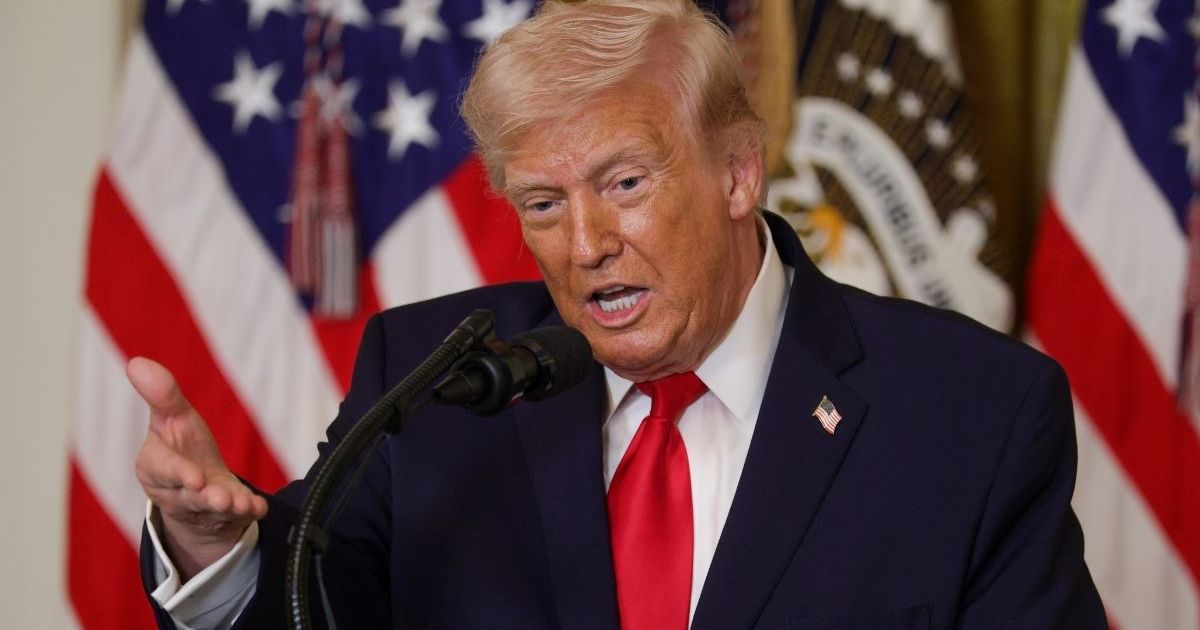
Russia's Defense Ministry on Sunday accused Kyiv of committing more than 1,000 ceasefire violations, according to state media reports. The pause was intended to mark Victory Day, the Russian holiday commemorating the defeat of Nazi Germany. Trump had said the break in fighting could be the beginning of the end of the war and that it would include an exchange of prisoners.

Zelenskyy said an exchange of 1,000 prisoners from each side is being prepared. Data from NASA observations indicated that military activities decreased but did not stop after the announcement, according to the Washington-based Institute for the Study of War.

There are no signs that the two sides are ready to move from their key negotiating positions. Putin wants all of the Donbas region, Ukraine's industrial heartland, even though his army has not completely captured it. Zelenskyy has said he will not surrender the territory.

Zelenskyy has offered a ceasefire and a face-to-face meeting with Putin. The Russian leader has ruled that out until a negotiated settlement is almost finalized. Putin suggested at the weekend that former German Chancellor Gerhard Schröder could act as a mediator.

German and European officials rejected the possibility of Schröder serving as a mediator. EU foreign policy chief Kaja Kallas said the bloc must first agree on its own objectives before negotiating with the Kremlin. "Before we discuss with Russia, we should discuss amongst ourselves what we want to talk to them about," she told reporters in Brussels.
Ukraine's Foreign Minister Andrii Sybiha joined EU foreign ministers for the Brussels meeting. He said Europe could play a role while emphasizing the need for U.S. leadership. Sybiha noted that in recent months Ukraine has improved its performance on the battlefield, reducing the larger Russian army to a slow and costly advance along the 1,250-kilometer front line.

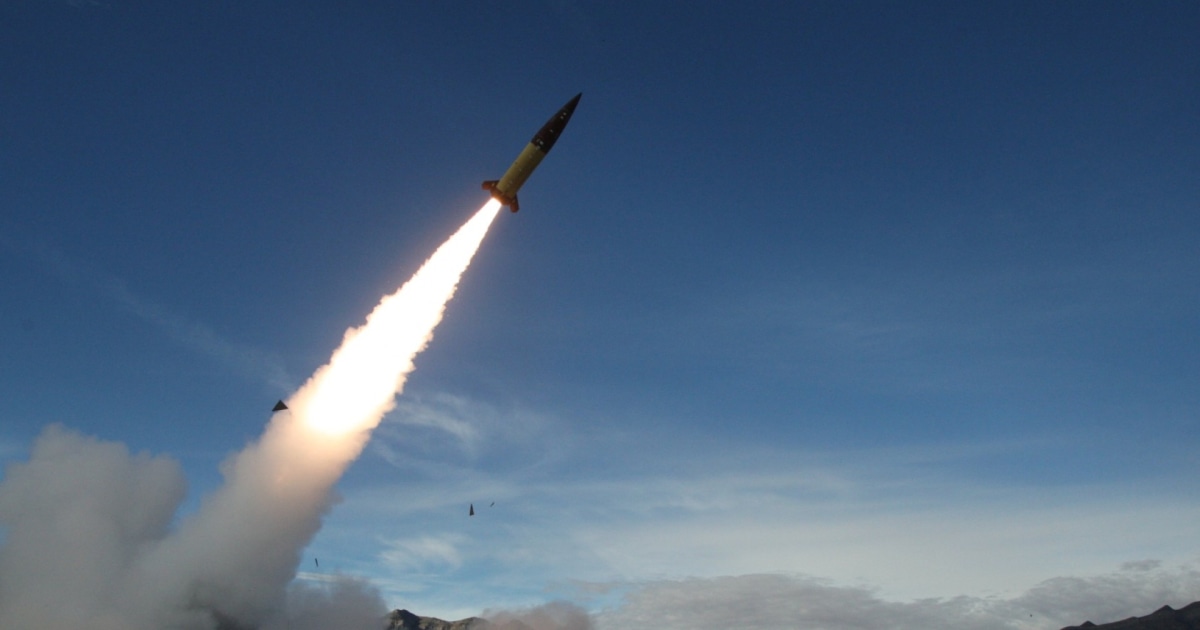
Sybiha said Ukraine has used domestically developed long-range drones and missiles to strike targets deep inside Russia. "We have a new reality on the battlefield ... Ukraine became stronger after the most difficult winter," he said. German Defense Minister Boris Pistorius arrived in Kyiv on Monday for an unannounced visit focused on defense cooperation.

Ukraine's Sybiha said he spoke with officials from Latvia about recent drone incidents there. Investigations determined that Russian electronic warfare had deliberately diverted Ukrainian drones from their intended targets inside Russia. Sybiha reaffirmed Ukraine's commitment to working with the Baltic states and Finland to prevent similar incidents and offered the direct involvement of Ukrainian specialists.

Estonia, Poland and Romania have also reported stray drones landing on their territory.

Key Facts

72-hour ceasefire
U.S.-brokered truce expired on Monday
At least 2 killed
Ukrainian report of Russian strikes in civilian areas
Over 1,000 violations
Russian accusation against Ukrainian forces
1,000 prisoners each
Planned exchange during ceasefire period
1,250-kilometer front
Length of battlefield where fighting slowed but continued

Story Timeline

5 events
  1. May 11, 10:03 AM ET

    2 new sources added: washingtontimes.com, @ABC

    2 sourceswashingtontimes.com · @ABC
  2. 2026-05-11

    Ceasefire between Russia and Ukraine expired with mutual accusations of violations.

    1 sourceThe Independent
  3. 2026-05-10

    Russia's Defense Ministry reported more than 1,000 ceasefire violations by Ukraine.

    1 sourceThe Independent
  4. 2026-05-09

    President Trump announced Putin and Zelenskyy accepted 72-hour ceasefire request.

    1 sourceThe Independent
  5. 2026-05-11

    Ukrainian authorities reported Russian strikes killed two civilians in Kharkiv and Kherson.

    1 sourceThe Independent

Potential Impact

  1. 01

    American and European officials will assess options for steering both sides into additional talks.

  2. 02

    European Union members are discussing internal objectives before engaging in further negotiations with Russia.

  3. 03

    Continued mutual accusations may complicate plans for any prisoner exchange between the parties.

  4. 04

    Baltic states and neighbors are coordinating with Ukraine on measures to prevent diverted drone incidents.

Transparency Panel

Sources cross-referenced3
Framing risk45/100 (moderate)
Confidence score65%
Synthesized bySubstrate AI
Word count489 words
PublishedMay 11, 2026, 10:18 AM
Bias signals removed2 across 2 outlets
Signal Breakdown
Editorializing 1Loaded 1

Related Stories

Trump Meets Advisers to Decide on Iran Ceasefire ExtensionBBC News
politics38 min ago

Trump Meets Advisers to Decide on Iran Ceasefire Extension

President Trump said he is holding a Situation Room meeting to make a final decision on a possible deal with Iran. The proposed agreement would extend the ceasefire by 60 days and reopen the Strait of Hormuz.

Al Jazeera
JA
MA
AF
AJ
+6
11 sources
Trump to Decide on Iran Deal in Situation Room Meetingmiddleeasteye.net
politics38 min ago

Trump to Decide on Iran Deal in Situation Room Meeting

President Trump said Friday he is heading into the Situation Room to make a final determination on a potential agreement with Iran. The proposed deal would reopen the Strait of Hormuz without tolls and require destruction of Iran's highly-enriched uranium.

LI
Just the News
CBS News
3 sources
Trump Says U.S. Will Lift Iran Naval Blockade After Nuclear and Hormuz Pledgesrealitytea.com
politics2 hrs agoDeveloping

Trump Says U.S. Will Lift Iran Naval Blockade After Nuclear and Hormuz Pledges

President Trump stated the U.S. will end its naval blockade of Iran once Tehran commits to forgoing nuclear weapons and opens the Strait of Hormuz to unrestricted shipping. The announcement came via Truth Social and a live statement.

FI
LI
MA
3 sources