S&P 500 Keeps Profitability Rule for Index Inclusion After Review
S&P Dow Jones Indices rejected a proposal to drop the positive net-income requirement after a month-long review. SpaceX, targeting a $1.8 trillion valuation, is now expected to wait until 2028 for inclusion.
 finance.yahoo.com
S&P Dow Jones Indices’ index committee kept the rule requiring companies to post positive net income for the past year, including the most recent quarter. The decision was announced Thursday after a month-long consultation. Space Exploration Technologies Corp.
8 trillion valuation. That figure would exceed all but six current S&P 500 members and would surpass Tesla Inc. Evercore ISI analysts forecast that SpaceX will not reach annual positive net income until 2027.
Under the retained rule, index entry could therefore be postponed until sometime in 2028. Nasdaq Inc. shortened its own waiting period for the Nasdaq 100 to 15 trading days from three months. FTSE Russell cut its minimum to five trading days.
Anthropic PBC and OpenAI are also considering IPOs this year and could each be valued above $1 trillion. Anthropic is projected to post a $559 million operating profit for the June quarter, while OpenAI is not expected to be profitable for several years.
U.S. Domestic market. He described the net-income requirement as “the hardest one for the S&P to defend” yet still beneficial because it maintains a GAAP standard. Jay Ritter, University of Florida emeritus professor, said mega-IPOs will eventually join the index unless their business models fail.
He added that waiting until the shares have a more liquid market is appropriate given the low floats and the large sums indexed to the benchmark. com Inc. and Uber Technologies Inc.
Waited years after going public before joining the S&P 500. He said running at a loss is not irrational from a corporate-strategy standpoint. Michael Antonelli, market strategist at Baird, said the committee’s stance will not alter perceptions of the index.
“They have rules about profitability and index inclusion and they’re just sticking by them,” he said. Goldman Sachs and Evercore ISI project SpaceX capital expenditures will rise above $360 billion in 2030 from more than $20 billion last year. Goldman Sachs forecasts positive free cash flow above $72 billion in 2031 after a trough of negative $105 billion in 2029.
Bloomberg Intelligence estimated that immediate inclusion would have triggered about $14 billion in forced passive buying for SpaceX, more than $8 billion for OpenAI, and close to $9 billion for Anthropic.
Transparency
Story details
Related Stories
 realitytea.com
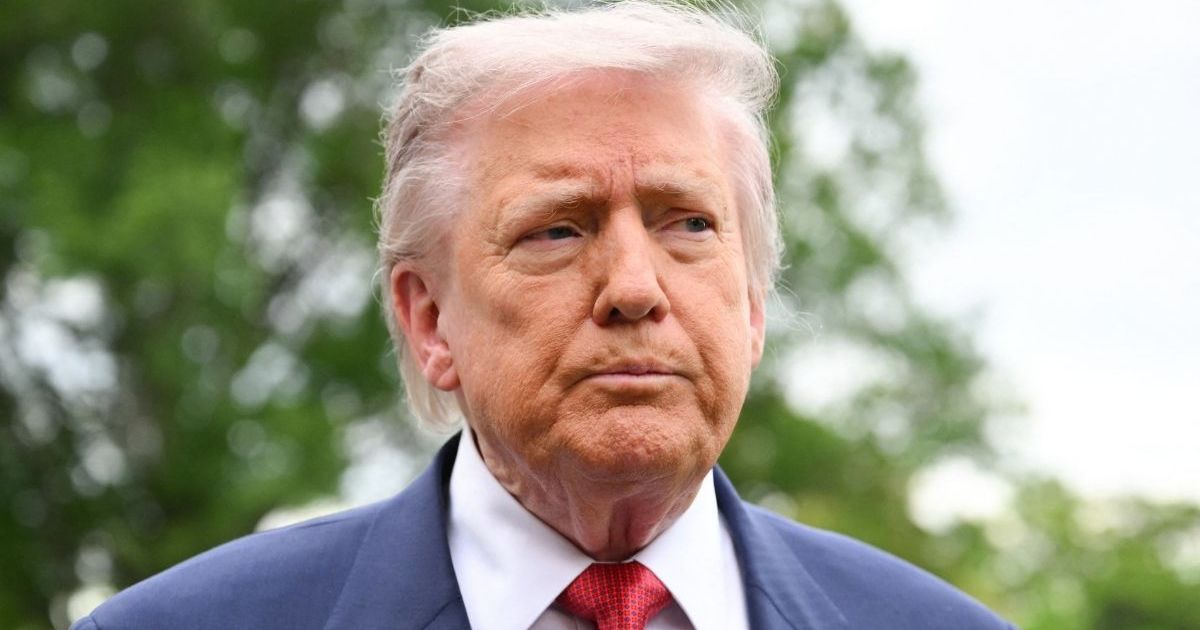
Trump to Meet AI Executives at White House on Proposal for 50% Public Ownership Stake
President Trump said Friday that leading AI company executives will visit the White House next week to discuss giving the American public an ownership stake in AI success. The talks follow private discussions between one executive and a senator over equity thresholds and election…
 koreaherald.com
Kim Yo-jong: North Korea's Nuclear Status Is Irreversible and It Will Not Tolerate Threats
The statement, carried by state media on June 7, rejected denuclearization efforts and vowed to reject threats. It was reported from Seoul.
 New York Post
SpaceX Launches IPO Roadshow at JPMorgan, Targeting $135/Share Price
Elon Musk joined Jamie Dimon in a virtual interview to open the IPO roadshow. The company plans to sell 556 million shares at $135 each.