Substrate
technology

School Districts Resist Parent Efforts to Limit Classroom Technology Use

Parents in multiple states are lobbying schools to reduce screen time and allow opt-outs from device-based learning, citing concerns over distraction, addiction and impacts on focus. At least four states have passed laws limiting screen time while others consider measures. One Pennsylvania district is updating its technology policy and has ruled out opt-outs for students.

Abc News
winnipegfreepress.com
nypost.com
restofworld.org
4 sources·May 14, 8:46 AM(15 days ago)·3m read
School Districts Resist Parent Efforts to Limit Classroom Technology UseAbc News
Audio version
Tap play to generate a narrated version.

Parents across the country have raised concerns about excessive screen time in schools and are pressing districts to rely more on pencils and paper for instruction. In Lower Merion Township, Pennsylvania, more than 600 residents signed a petition seeking to preserve parents' ability to opt their children out of using digital devices during the school day.

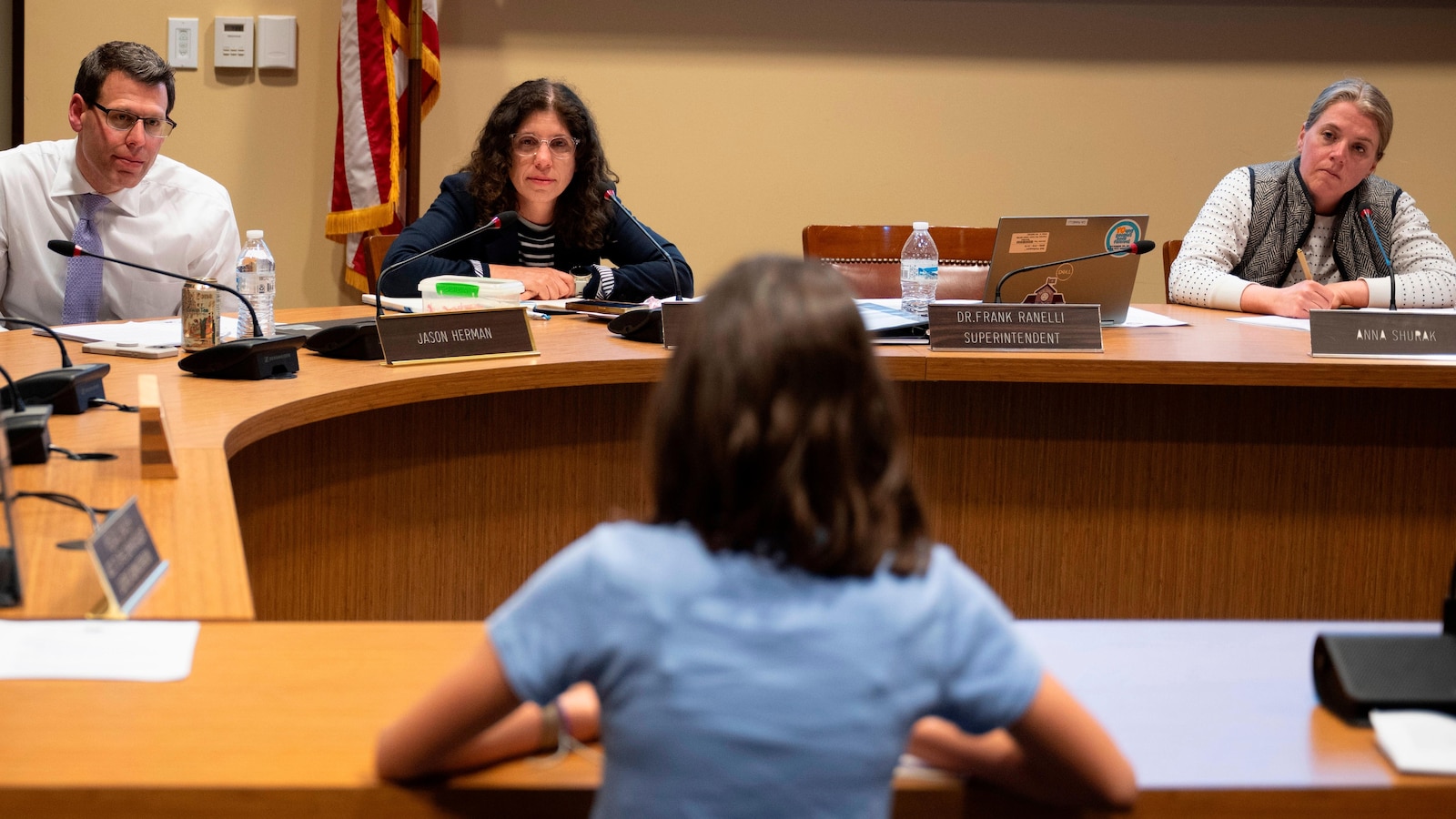
The public school district has said it is not feasible to allow hundreds of students to opt out of technology described as essential to the curriculum. At a school board meeting, members stated they were considering multiple ways to address parental concerns about technology but that allowing opt-outs was not among them.

One board member said there is not an option for the district to operate without technology in schools. ” Several parents said they support teaching responsible computer use but do not want technology to dominate every aspect of classroom instruction.

One parent told the board that teaching how to use technology differs from using it to teach every subject. Another described ongoing battles with a child over screen addiction, saying the school laptop provided access to video streaming even when home devices were restricted.

Parents also questioned the design of certain educational software. One said the math program her second-grade daughter uses rewards rapid completion over methodical problem-solving. The debate has spread beyond the district. At least 14 states have proposed legislation to limit screen time in schools.

Four states — Alabama, Tennessee, Utah and Iowa — have passed such laws. One large school system said it will ban screens until second grade, set daily caps by grade level, block access to a major video platform and review all education technology contracts.

Proposed legislation in another state would let both parents and teachers decline to use classroom technology. The Lower Merion district said it has responded to community input by blocking websites identified as problematic by parents. The superintendent wrote in a letter that teachers in the district have prioritized human interaction and relationships.

The district is also examining stronger restrictions on personal cellphones, limits on devices taken home by younger students and monitoring software. Surveillance tools carry separate risks. The same district paid $610,000 in 2010 to settle lawsuits by two students who said it had remotely activated webcams on school-issued laptops to observe them.

Students offered differing views at the meeting. One high schooler said overly restrictive internet filters now block legitimate research on topics such as health conditions. Another argued that limits should be stricter for younger grades but that older students need increasing freedom to prepare for college.

A different high school student said it is unrealistic to expect children to self-regulate use of devices that many adults find addictive. He expressed particular concern that easy access to artificial intelligence tools is reducing classmates' independent thinking.

A second-grade student told the board she does not want writing software to supply suggestions because she prefers to compose on her own.

School officials are weighing updates to technology policies, including repeal of an existing opt-out provision. The district has not ruled out additional measures but maintains that full removal of devices is not possible given how instruction is structured.

Parents continue to press for greater choice while districts cite curriculum requirements and the practical difficulty of managing separate learning tracks for hundreds of students. The discussion reflects broader questions about how deeply digital tools have become integrated into daily classroom activities, from submitting assignments to accessing instructional resources.

Key Facts

600+ signatures
petition in Lower Merion to keep device opt-outs
4 states
Alabama, Tennessee, Utah and Iowa passed screen-time limits
$610,000
settlement paid by district in 2010 over laptop webcams
14 states
proposed legislation to restrict school screen time
Lower Merion
considering policy changes but rejecting opt-outs

Story Timeline

4 events
  1. 2026-05-14

    Lower Merion school board held meeting on technology policy updates and heard parent protests.

    1 sourceAbc News
  2. Recent months

    More than 600 residents signed petition to preserve opt-out rights for digital devices.

    1 sourceAbc News
  3. 2026

    At least 14 states proposed laws limiting school screen time; four states passed legislation.

    1 sourceAbc News
  4. 2010

    Lower Merion district paid $610,000 to settle lawsuits over webcam surveillance of students.

    1 sourceAbc News

Potential Impact

  1. 01

    Four states now have laws restricting screen time in public schools.

  2. 02

    Lower Merion district will update technology policy without allowing opt-outs.

  3. 03

    School systems may adopt stricter content filters that limit legitimate research access.

  4. 04

    Districts could install classroom monitoring software raising student privacy concerns.

  5. 05

    Continued debate may lead additional states to consider parent and teacher opt-out provisions.

Transparency Panel

Sources cross-referenced4
Confidence score65%
Synthesized bySubstrate AI
Word count599 words
PublishedMay 14, 2026, 8:46 AM
Bias signals removed4 across 2 outlets
Signal Breakdown
Loaded 2Editorializing 1Amplifying 1

Related Stories

World Urban Forum 2026 Draws 57,000 Participants from 176 CountriesEuronews
technology4 hrs agoDeveloping

World Urban Forum 2026 Draws 57,000 Participants from 176 Countries

The 13th World Urban Forum concluded with discussions on housing, climate resilience and urban governance. Organisers reported that the sessions informed future strategic priorities.

Euronews
1 source
Trump Mobile website still lists T1 phone as American-madetheverge.com
technology4 hrs agoDeveloping

Trump Mobile website still lists T1 phone as American-made

The product page for the T1 phone continues to describe the device as American-made. The Verge reported that the site may conflict with FTC advertising rules. The phone was announced in June 2025.

The Verge
1 source
EU Discusses Readiness for Artificial Intelligence ChangesFrance 24
ai4 hrs agoDeveloping

EU Discusses Readiness for Artificial Intelligence Changes

A France 24 program examined whether European Union policies can address the effects of artificial intelligence. The discussion covered potential impacts across daily life and economic sectors.

France 24
1 source