Substrate
world

Schools Restrict Caffeine Pouches Over Similarity to Nicotine Products

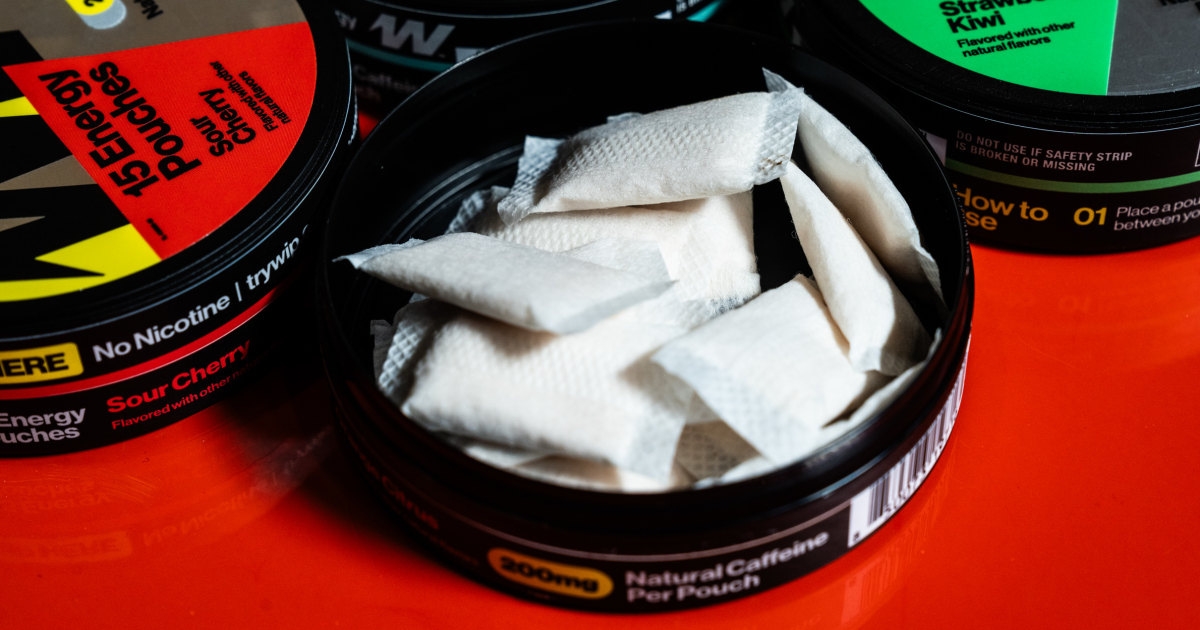
Caffeine pouches containing 50-200 mg of caffeine are appearing in schools. Districts in Michigan and Kansas have banned the products, citing resemblance to nicotine pouches already prohibited on campuses.

AB
1 source·May 25, 9:49 PM(3 days ago)·1m read
Schools Restrict Caffeine Pouches Over Similarity to Nicotine Productswinnipegfreepress.com
Audio version
Tap play to generate a narrated version.

Caffeine pouches are small packets filled with 50 mg to 200 mg of caffeine, sometimes mixed with amino acids, minerals, or vitamins. The pouches dissolve between the gums and cheeks, with absorption reported as fast as 20 minutes by one brand. They are sold in retail stores and online and carry labels stating they are intended for adults.

Onsted Middle School in Onsted, Michigan, posted a notice to parents on May 11 stating it had observed an increase in students bringing the products to school. The notice said the pouches resemble nicotine pouches in appearance and use, creating confusion and shifting attention from the learning environment.

The school directed families to keep the products at home. Holton Public Schools in Holton, Kansas, issued a similar notice in January. The district said staff cannot reliably distinguish caffeine pouches from nicotine pouches and therefore prohibits all such products.

The Centers for Disease Control and Prevention states there is no safe amount of caffeine for young children and recommends children age 2 and under avoid caffeinated products. The American Academy of Pediatrics does not recommend caffeine for children of any age.

Dr. Zachary Binder, a pediatric emergency medicine physician at UMass Memorial Medical Center, said caffeine absorbed through a pouch enters the bloodstream faster than when consumed in beverages. He noted this delivery method can result in higher blood levels and cited risks including heart arrhythmias and interactions with medications such as antidepressants.

Binder said he still advises parents to discuss caffeine risks with their children even though he does not frequently treat such cases in the emergency department.


Key Facts

50-200 mg caffeine
amount contained in each pouch
Onsted Middle School
Michigan school that issued May 11 notice
Holton Public Schools
Kansas district that banned products in January
Dr. Zachary Binder
pediatric emergency physician at UMass Memorial

Story Timeline

3 events
  1. January 2026

    Holton Public Schools banned caffeine pouches, citing inability to distinguish them from nicotine pouches.

    1 source@ABC
  2. May 11, 2026

    Onsted Middle School posted a notice directing parents to keep caffeine pouches at home.

    1 source@ABC
  3. May 22, 2026

    ABC News published guidance for parents on caffeine pouches and children.

    1 source@ABC

Potential Impact

  1. 01

    Additional school districts may adopt similar restrictions on caffeine pouches.

  2. 02

    Parents may increase discussions with children about caffeine products.

Transparency Panel

Sources cross-referenced1
Confidence score65%
Synthesized bySubstrate AI
Word count271 words
PublishedMay 25, 2026, 9:49 PM
Bias signals removed2 across 1 outlet
Signal Breakdown
Amplifying 1Speculative 1

Related Stories

Journalists in Gaza to Receive 2026 Golden Pen of Freedom Awardstraitstimes.com
world1 hr ago

Journalists in Gaza to Receive 2026 Golden Pen of Freedom Award

Three international news agencies will accept the award on behalf of their local staff still reporting from the territory. The World Association of News Publishers cited the journalists' continued coverage under extreme conditions.

Al-Monitor
AF
2 sources
Supreme Court Revives Havana Docks Lawsuit Over Confiscated Cuban Propertyupi.com
world1 hr ago

Supreme Court Revives Havana Docks Lawsuit Over Confiscated Cuban Property

The U.S. Supreme Court sent a Helms-Burton Act case back to lower courts for further argument. The suit seeks damages from cruise lines that used docks seized by Cuba in 1959.

FO
1 source
Pakistan Population Growth Outpaces Infrastructure as Male Contraception Stays TabooFrance 24
world1 hr agoDeveloping

Pakistan Population Growth Outpaces Infrastructure as Male Contraception Stays Taboo

Pakistan's population exceeds 258 million and could reach 300 million by 2030. Contraception remains largely taboo in a society shaped by traditional values. The country continues to lag behind neighbors India and Bangladesh in key social sectors.

FR
France 24
2 sources