Substrate
technology

Science Based Targets Initiative Drops Proposal for Stricter Data Center Emissions Rules

The Science Based Targets initiative has dropped a proposed rule that would have required tech companies to match clean energy certificates to fossil fuel use by time and location. The decision followed lobbying from industry groups that argued the requirements would be onerous. The change affects how data center emissions from gas turbines are offset using renewable energy certificates.

Engadget
1 source·May 14, 10:49 AM(15 days ago)·2m read
|
Science Based Targets Initiative Drops Proposal for Stricter Data Center Emissions RulesEngadget
Audio version
Tap play to generate a narrated version.
Developing·Limited corroboration so far. This page will refresh as more sources emerge.

The Science Based Targets initiative has dropped a proposed rule that could have accelerated cuts to carbon dioxide emissions from data centers, according to a report by The Financial Times. A corporate climate watchdog, the Science Based Targets initiative, decided against recommending a protocol that would have made it more difficult for companies to use clean energy investments to offset fossil fuel pollution from data centers.

The proposal was based on guidance from the Greenhouse Gas Protocol, which is used in Europe and California. The Greenhouse Gas Protocol has stated that both fossil fuel power and offsetting green energy should be produced in the same market at around the same time.

That approach would help ensure accurate reporting and create a credible link between companies and their energy sources.

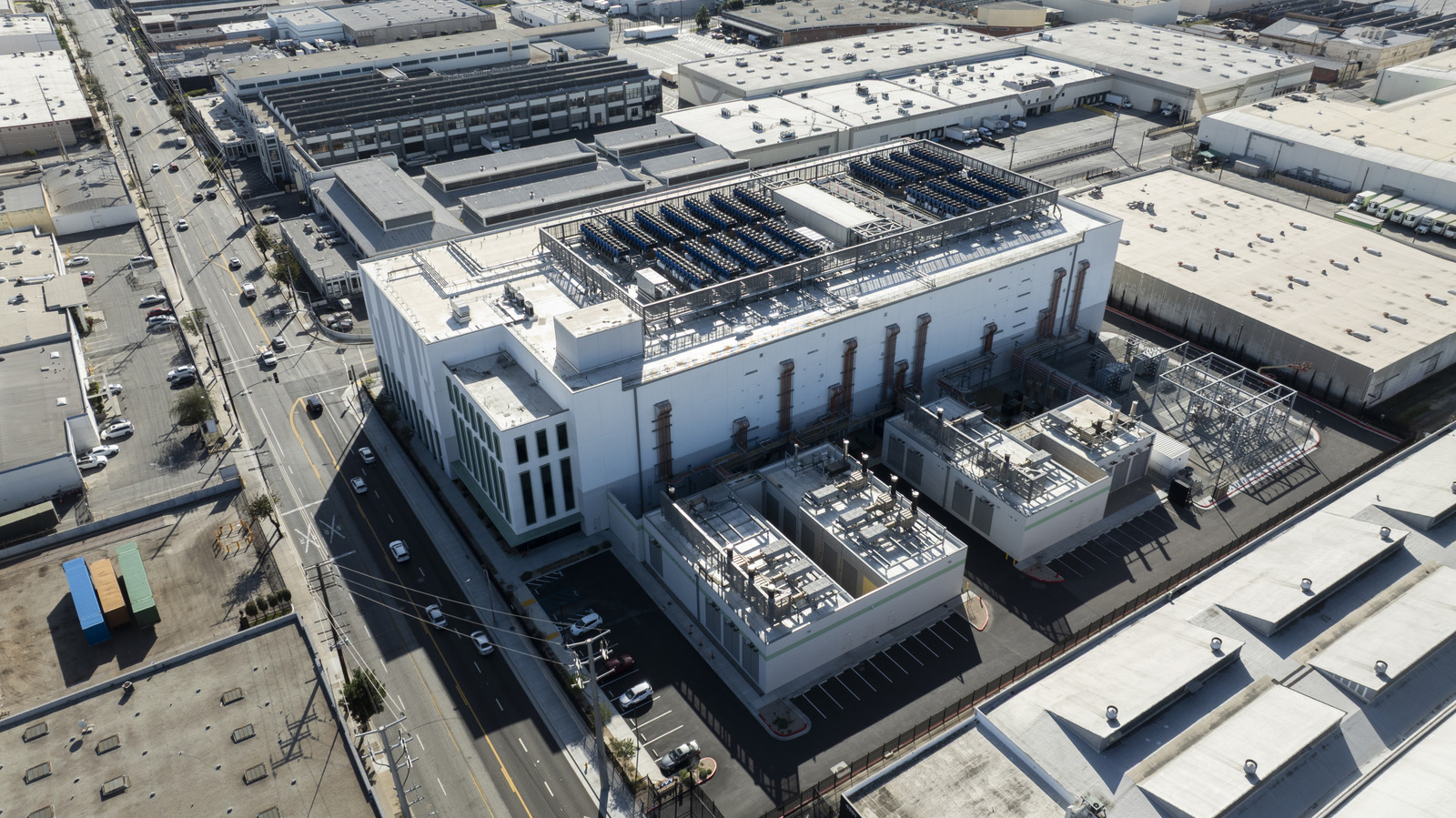
To meet electricity needs for new data centers built to support artificial intelligence, companies including Amazon and Meta have installed gas turbines in parts of the United States where local power supply is insufficient. These turbines are highly polluting.

The companies have offset those emissions by purchasing certificates backed by wind, solar and other green power projects. The certificates can apply even if the renewable projects are in different states or generate power at different times of day.

For example, a gas-powered data center operating at night in Texas can use certificates from solar energy purchased during the day in California.

" The groups argued that rules requiring time- and location-based matching of energy should remain optional because stricter requirements could discourage clean energy investments. Google took a different position and argued in favor of hourly clean-energy matching.

The company is the largest corporate buyer of renewable energy in the world.

Multiple research groups, including Princeton University's Low-Carbon Technology Consortium and the European Union, have stated that hourly energy offset accounting could reduce carbon dioxide emissions significantly faster than the current system. The Science Based Targets initiative had proposed that companies use certificates representing clean energy produced in the same time frame as the fossil fuel energy consumed.

Following the lobbying, the organization decided not to move forward with that recommendation. The change leaves in place the existing system for offsetting emissions from gas-powered data centers.

Key Facts

SBTi drops proposal
would have required time-based clean energy matching
Nearly $5 trillion
in revenue from companies in lobbying group
Gas turbines installed
by tech firms to power data centers
Hourly matching
could cut CO2 emissions significantly faster
Greenhouse Gas Protocol
requires same market and time matching

Story Timeline

3 events
  1. 2026

    Science Based Targets initiative drops proposed stricter emissions rule for data centers.

    1 sourceEngadget
  2. 2026

    Tech industry groups lobby against time- and location-based clean energy matching rules.

    1 sourceEngadget
  3. Prior years

    Tech companies build gas-powered data centers to meet AI electricity demand.

    1 sourceEngadget

Potential Impact

  1. 01

    Data centers can continue using out-of-state or time-shifted renewable certificates to offset gas turbine emissions.

  2. 02

    Carbon dioxide emissions from data centers are likely to decline more slowly than under the dropped proposal.

  3. 03

    Tech companies may expand use of gas turbines in regions with insufficient clean power supply.

  4. 04

    Investment in local hourly-matched renewable energy projects may grow more slowly.

Transparency Panel

Sources cross-referenced1
Confidence score70%
Synthesized bySubstrate AI
Word count396 words
PublishedMay 14, 2026, 10:49 AM
Bias signals removed4 across 2 outlets
Signal Breakdown
Framing 1Editorializing 1Amplifying 1Loaded 1

Related Stories

World Urban Forum 2026 Draws 57,000 Participants from 176 CountriesEuronews
technology4 hrs agoDeveloping

World Urban Forum 2026 Draws 57,000 Participants from 176 Countries

The 13th World Urban Forum concluded with discussions on housing, climate resilience and urban governance. Organisers reported that the sessions informed future strategic priorities.

Euronews
1 source
Trump Mobile website still lists T1 phone as American-madetheverge.com
technology4 hrs agoDeveloping

Trump Mobile website still lists T1 phone as American-made

The product page for the T1 phone continues to describe the device as American-made. The Verge reported that the site may conflict with FTC advertising rules. The phone was announced in June 2025.

The Verge
1 source
EU Discusses Readiness for Artificial Intelligence ChangesFrance 24
ai4 hrs agoDeveloping

EU Discusses Readiness for Artificial Intelligence Changes

A France 24 program examined whether European Union policies can address the effects of artificial intelligence. The discussion covered potential impacts across daily life and economic sectors.

France 24
1 source