science
Scientists Drill Through Antarctic Glacier to Study Ocean Cavity Below
A team of 10 spent eight weeks drilling 3,000 feet through a melting Antarctic glacier to reach the ocean cavity beneath it. The effort aims to gather data on warm currents eroding the ice from below. Researchers hope the information will help clarify the glacier's potential contribution to global sea level rise.
May 11, 5:00 AM·1m read1 source
 rnz.co.nz
Audio version
Tap play to generate a narrated version.
Developing·Limited corroboration so far. This page will refresh as more sources emerge.
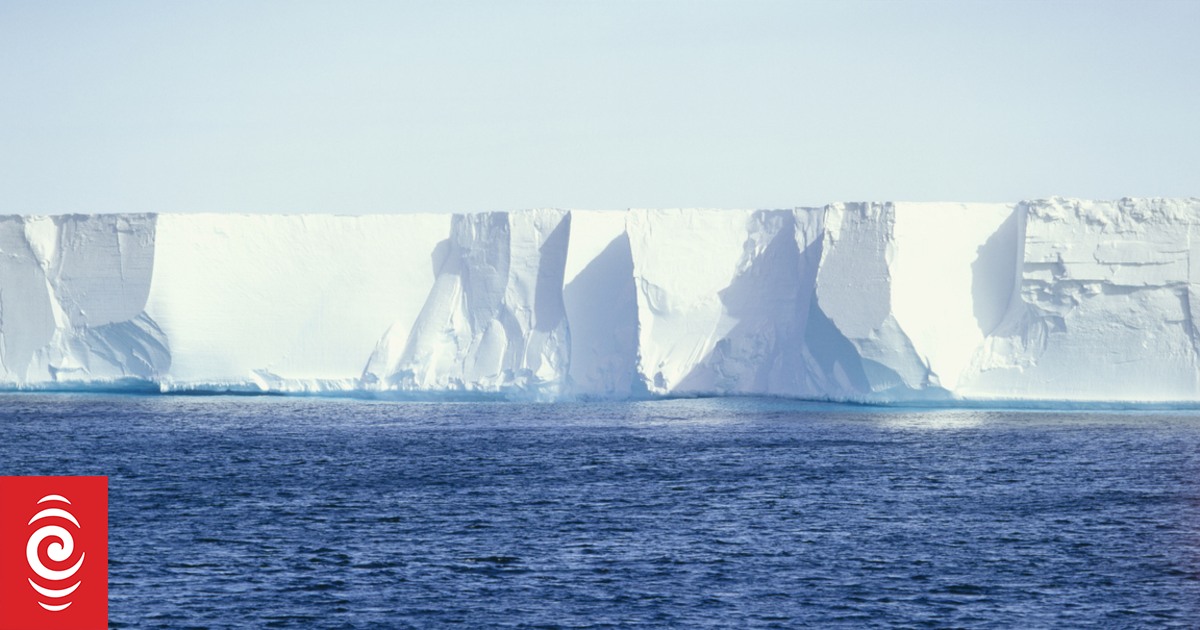
A team of 10 people spent eight weeks in Antarctica to drill through a glacier that covers an area the size of Britain. The group included scientists, engineers and guides who had planned the mission for more than five years. They crossed the Southern Ocean, flew by helicopter over the ice and worked through strong winds to reach the final stage of piercing the ice.
The team used jets of hot water to melt a foot-wide hole through ice half a mile thick. They then lowered a cable with instruments into the hole to collect data from the ocean cavity below the glacier. The work was carried out while the team heard periodic booms from the ice shifting and forming crevasses beneath their feet.
Team members sustained themselves with tea, crackers and protein bars during the operation. One researcher described the glacier as visibly changing, saying it could disappear within a lifetime or the next generation rather than on longer timescales.
The group sought measurements that could indicate how quickly warm currents are eroding the ice from underneath.
Scientists have determined that warm currents are eating away at the glacier from below. If the glacier were to collapse entirely, it could contribute more than 15 feet to global sea levels over several centuries. The rate of ice loss at this location is faster than at other Antarctic glaciers where retreat is more gradual.
The data from beneath the ice is intended to help answer questions about when significant changes might occur and how soon coastal cities could face increased flooding risks. The team completed the drilling phase after days of labor in harsh conditions on the ice.