science
Scientists Find Oldest Known Plague Evidence in Siberian Remains
Researchers identified plague bacteria DNA in teeth from ancient hunter-gatherers near Siberia's Lake Baikal. The discovery dates the disease back approximately 5,500 years, earlier than previous records.
Jun 17, 11:20 AM·1m read1 source
 The Independent
Audio version
Tap play to generate a narrated version.
Developing·Limited corroboration so far. This page will refresh as more sources emerge.
Scientists have identified the oldest known evidence of the plague in human remains from Siberia, dating the disease to about 5,500 years ago.
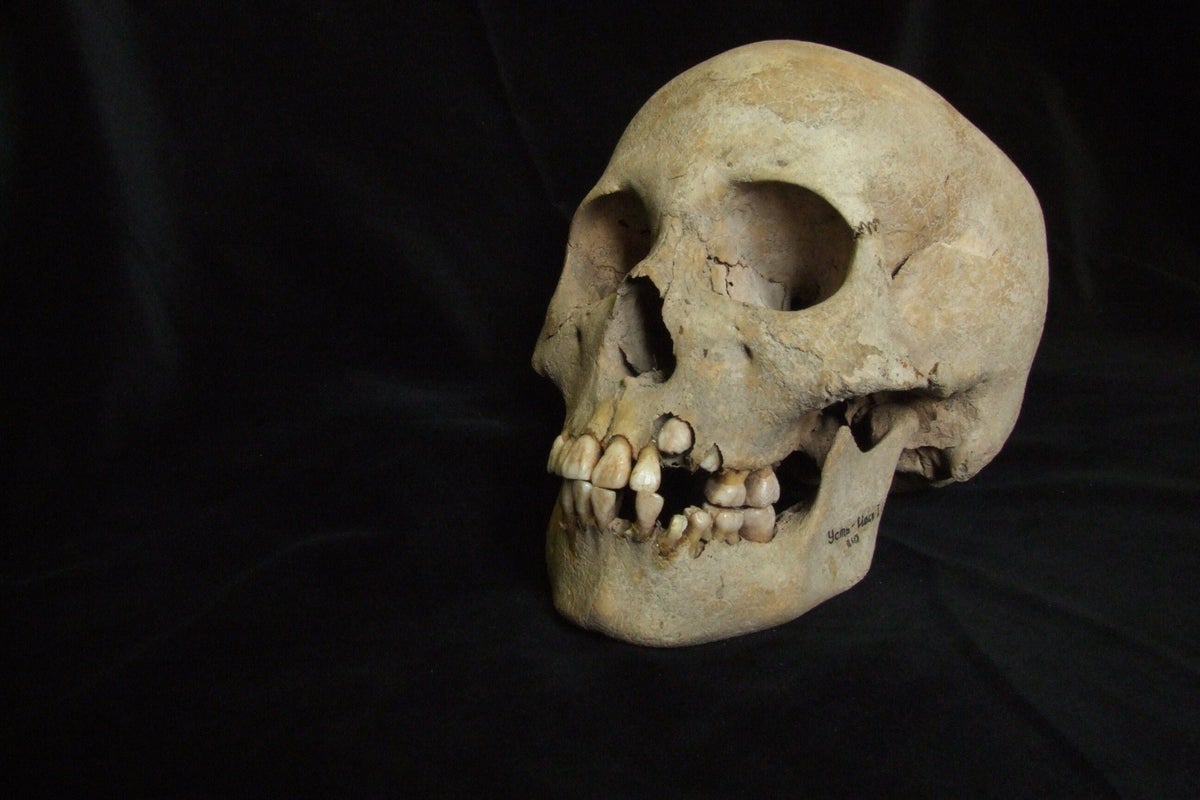
A team led by evolutionary geneticist Eske Willerslev from the University of Copenhagen examined teeth from 18 hunter-gatherers buried in four cemeteries near Lake Baikal. Carbon dating showed two separate outbreaks, with the earliest occurring around 5,500 years ago.
The study was published in the journal Nature. Analysis found DNA remnants of the plague-causing bacteria. The team concluded the prehistoric strain developed in stages and infected several small family groups.
Researchers said the disease likely spread from marmots when people ate raw organs or handled infected hides. It also moved between people through coughing and sneezing. Many victims were children between eight and eleven years old. Burial patterns showed multiple victims interred together, including three girls laid side by side and an aunt with her nephew.
Ruairidh Macleod, an ancient DNA expert at the University of Oxford and study co-author, stated people who knew the deceased arranged the burials. Geneticist Aida Andrades Valtueña from the Max Planck Institute for Evolutionary Anthropology, not involved in the study, noted multiple victims indicate the plague caused both individual cases and outbreaks.
The ancient strain existed long before the bubonic plague strain linked to the Black Death.