science
Screwworm parasite returns to Texas, prompting USDA response
The U.S. Department of Agriculture is preparing a billion-dollar effort to contain the New World screwworm after cases appeared in Texas and New Mexico. Officials have released sterile flies and set quarantine zones around affected sites.
 Abc News
Audio version
Tap play to generate a narrated version.
Developing·Limited corroboration so far. This page will refresh as more sources emerge.
The U.S. Department of Agriculture is preparing an all-out response to the return of the New World screwworm after seven cases were detected in Texas and New Mexico. A 12-mile quarantine zone is placed around each confirmed site. U.S. Agriculture Secretary Brooke Rollins visited a Texas ranch on Thursday where one of the first cases was found and watched the release of sterile flies.
She said the calf had been treated and was recovering.
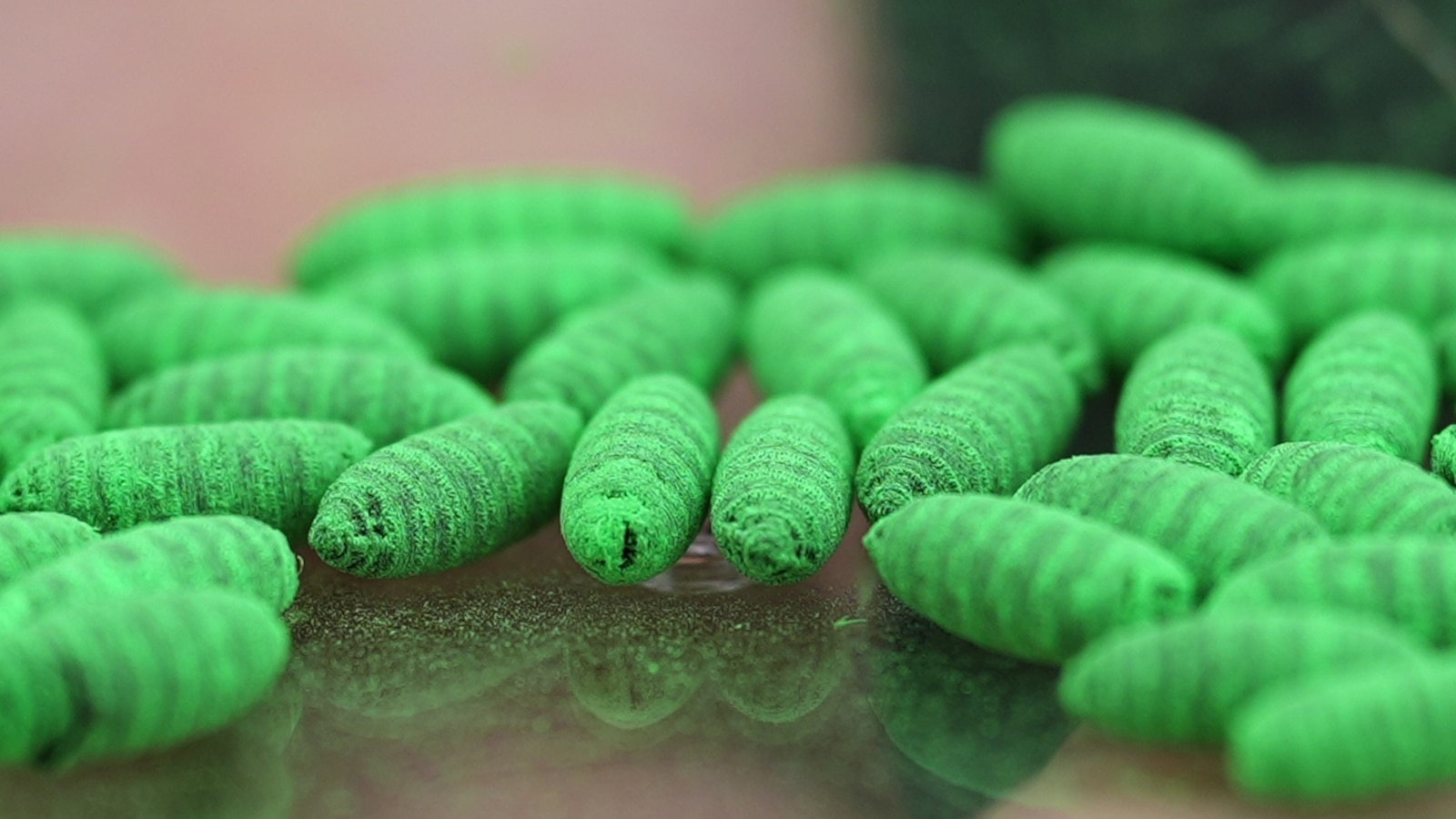
Background on the parasite Screwworms are flies that lay eggs in wounds of warm-blooded animals; the larvae feed on living flesh. Scientists have used releases of sterile males for decades to reduce populations because females mate only once. The parasite had been contained to a narrow zone in Panama for 60 years until flies re-emerged in 2023 and moved north.
Mexico has recorded more than 28,000 cases since then.
Political statements and funding Rollins told the Senate Agriculture Committee on Wednesday that the previous administration bears responsibility for the return. Democratic leaders have pointed to staffing reductions at the agriculture agency as a contributing factor.
The USDA estimates the containment effort will cost more than $1 billion, including $750 million for a facility that can produce up to 300 million sterile flies per week. Officials have reassigned more than 100 employees to the response.
Climate and trade effects Researchers note that warmer, more humid conditions are expanding suitable habitat for the flies. Canada has temporarily halted imports of cattle and horses from Texas. The U.S. closed southern ports to Mexican livestock last summer after the outbreak in Mexico.