politics
Senate Postpones Jay Clayton DNI Confirmation Hearing
President Donald Trump conditioned the nomination on confirmation of a replacement U.S. attorney and passage of the SAVE America Act. The Senate Intelligence Committee rescheduled the hearing for Wednesday at 9:30 a.m.
Jul 15, 6:30 AM·1m read2 sources

Leverage for deaSabotage
 ABC News
Audio version
Tap play to generate a narrated version.
Developing·Limited corroboration so far. This page will refresh as more sources emerge.
President Donald Trump’s nomination of U.S. Attorney Jay Clayton to serve as director of national intelligence was delayed after the president tied the confirmation process to separate legislation on FISA reauthorization. The Senate Intelligence Committee postponed the initial hearing following a Truth Social post in which Trump stated he would not approve FISA without the SAVE America Act.
Trump said Democrats broke the deal with FISA and demanded that Republicans attach the SAVE America Act to the measure. He added that the nomination would not advance until James McDonald is confirmed as Clayton’s replacement in the Southern District of New York. The committee set a new hearing for Wednesday at 9:30 a.m.
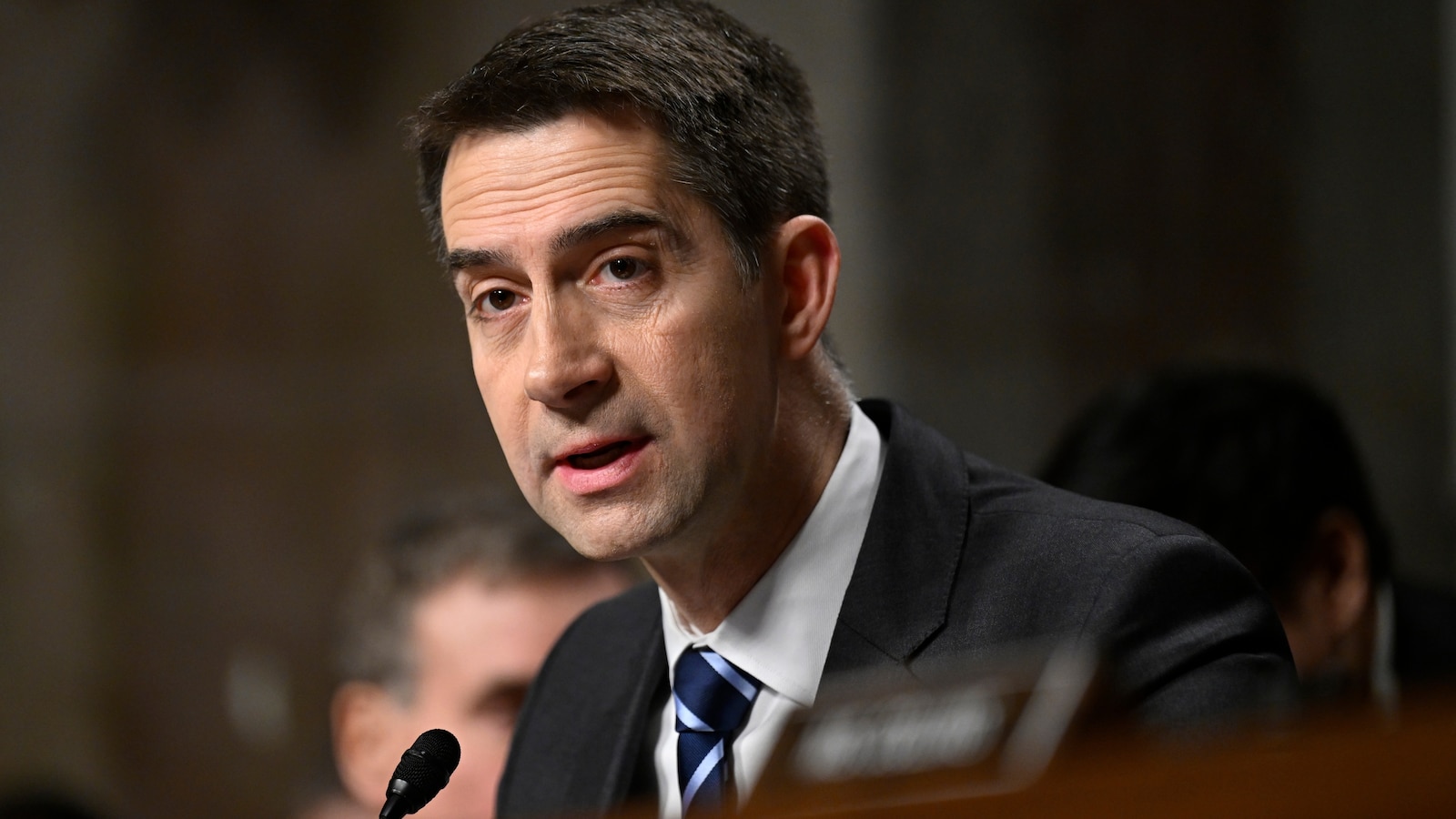
Senate Intelligence Committee Chair Tom Cotton said on X that Clayton is a patriot and highly qualified nominee with deep experience combatting national security threats in his service to the people of New York. Cotton said he looks forward to the hearing. Clayton currently serves as U.S.
Attorney in the Southern District of New York and previously chaired the Securities and Exchange Commission during Trump’s first term. Former Director of National Intelligence Tulsi Gabbard stepped down from the role last month.