politics
Senate Republicans Divided on $1 Billion White House Ballroom Funding After Briefing
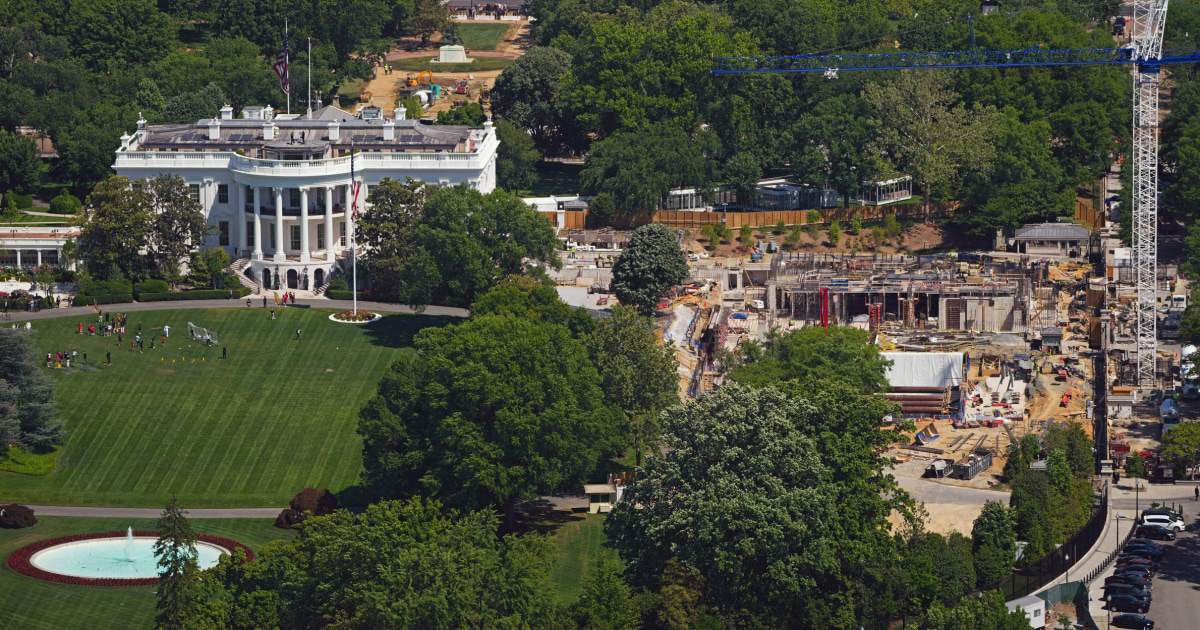
Senate Republicans received a private briefing on a proposal to allocate $1 billion in taxpayer funds for a White House ballroom project. Senators expressed questions about the spending breakdown and its effect on the federal deficit. The funding is part of a broader bill to support immigration enforcement agencies after Democrats blocked those provisions from a prior appropriations package.
May 13, 10:40 AM·3m read4 sources

 +1
+1
 Nbc News
Audio version
Tap play to generate a narrated version.
Senate Republicans remained divided after receiving a private briefing Tuesday on whether to allocate $1 billion in taxpayer funds for a White House ballroom project. Inside the closed-door lunch meeting, the Secret Service director briefed senators on the planned uses of the money.
Senate Majority Leader John Thune told reporters the session included a good back-and-forth discussion with many questions from colleagues seeking details on how the dollars would be spent. A memo circulated to senators and obtained by NBC News listed the proposed allocations: $220 million to harden the White House complex, $180 million for a visitors screening facility, $175 million for training and $175 million to enhance security for Secret Service protectees.
Sen. Roger Marshall said he still had more questions and that additional details would be sent, leaving him undecided. Sen. John Kennedy said he had a lot of questions for the White House about the spending plan. He identified adding to the deficit as one of the biggest concerns among Republicans.
The answers could determine the fate of a broader party-line bill to fund ICE and the Border Patrol. The ballroom funds are included in the measure that Republican leaders view as must-pass legislation.
They vowed not to fund immigration enforcement without accompanying policy restraints. Democrats have made the ballroom funding a focus of their opposition to the current bill. They plan to force votes on amendments to strip out or redirect the money.
Republicans can lose only three votes to protect the provision and pass the bill. A Washington Post-ABC poll taken in late April found 2-to-1 opposition to tearing down the White House East Wing to build a 90,000-square-foot ballroom.
Questions Over Private Funding Pledge Sen.