ai
Seven Developing Countries Integrate Chinese AI Weather System Mazu
Pakistan, Djibouti, Ethiopia, Jordan, Mongolia, the Solomon Islands and Sri Lanka have integrated the system into daily operations. The public cloud version has been tested by 40 Global South countries.
Jul 19, 9:00 AM·1m read1 source
 South China Morning Post
Audio version
Tap play to generate a narrated version.
Developing·Limited corroboration so far. This page will refresh as more sources emerge.
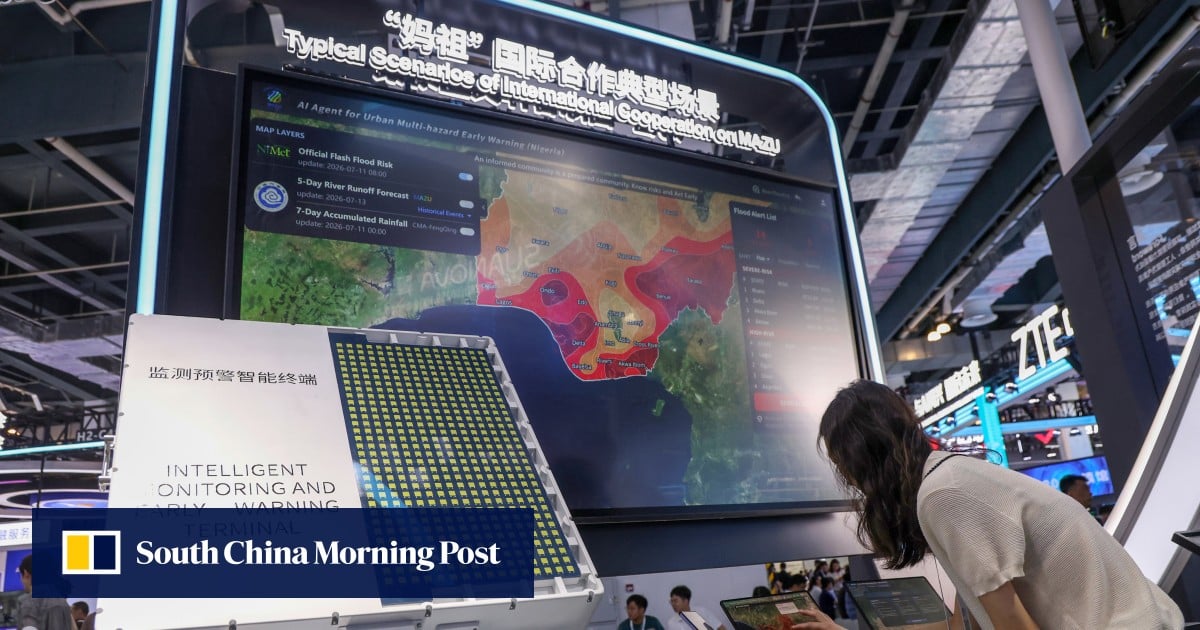
Seven developing countries have placed the Chinese AI-powered weather warning system Mazu into active use to prepare for typhoons, rainstorms and other natural disasters following its unveiling at the 2025 World AI Conference in Shanghai, South China Morning Post reported.
The full system was first unveiled at the 2025 World AI Conference in Shanghai and was designed from the start for global use. In each location the full system has been physically woven into daily operations, the report said.
Pan Jinjun, chief engineer at the China Meteorological Administration, described Mazu as an international public good that supplies tailored early warning services for developing nations. He said the project is the first national effort in response to the UN Early Warnings for All initiative, which seeks to protect every part of the Earth from extreme weather.
The public cloud version of the system, which provides faster access to meteorological data, has been tested by 40 Global South countries, according to People’s Daily.
Pan spoke to media outlets ahead of the World Artificial Intelligence Conference scheduled in Shanghai on 19 July 2026.