Shavuot Combines Torah Study and Agricultural Traditions in Israel
Shavuot marks both the giving of the Torah and the harvest festival. The holiday links Jewish history from exile to return with observance in the Land of Israel.
 Substrate placeholder — needs review
Shavuot is observed with dairy foods, flowers, and all-night Torah study. The holiday also includes agricultural celebrations in Israeli communities.
In the Torah, Shavuot is described as an agricultural festival called Hag Hakatzir. Farmers brought the first fruits and two loaves of bread to the Temple in Jerusalem. After the destruction of the Second Temple, the Jewish people were exiled from the Land.
The agricultural observances could not continue in the same form. The Jewish sages connected Shavuot to the giving of the Torah at Sinai. This connection allowed the holiday to be observed by Jews living outside the Land of Israel.
In the late nineteenth and early twentieth centuries, Jewish pioneers returned to the Land of Israel. Agricultural communities restored celebrations of harvest, produce, and the Land. Today, Shavuot is marked by Torah study and dairy meals alongside events celebrating agriculture and the produce of the Land.
The holiday continues without the Temple rituals described in the Torah. Observers note that the original meaning of gratitude for the Land has become visible again in Israel.
Key Facts
Story Timeline
3 events- After Second Temple destruction
Jewish people were exiled and could not bring first fruits to the Temple.
1 source@Jerusalem_Post - Late 19th and early 20th century
Jewish pioneers returned to the Land of Israel and restored agricultural celebrations.
1 source@Jerusalem_Post - May 19, 2026
Children marched through Mea Shearim neighborhood in Jerusalem ahead of Shavuot.
1 source@Jerusalem_Post
Potential Impact
- 01
Israeli communities continue annual harvest celebrations during Shavuot.
Transparency Panel
Related Stories
 The Guardian
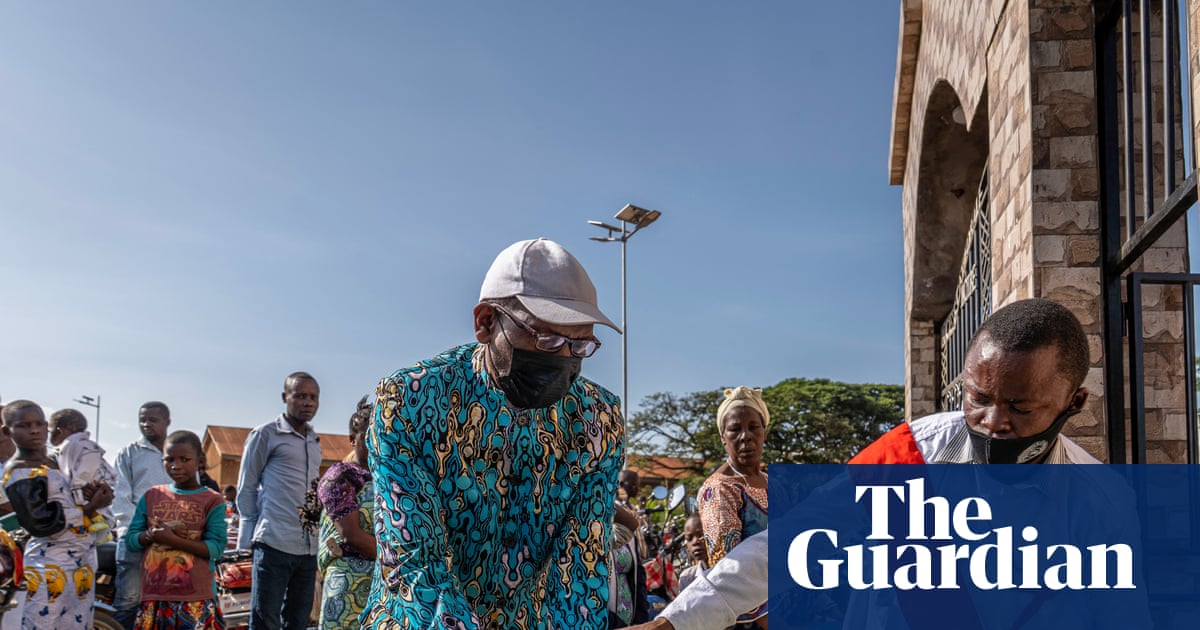
WHO Chief Visits DRC as Ebola Death Rate Reaches 30-50%
World Health Organization director-general Tedros Adhanom Ghebreyesus arrived in the Democratic Republic of the Congo to support containment of a new Ebola outbreak. The agency revised the death rate to 30-50% based on confirmed cases and recorded 10 confirmed and 223 suspected d…
 westernjournal.com
Greek National Charged in UK With Aiding Iran-Linked Intelligence Service
A 46-year-old Greek man living in Germany was charged under the UK National Security Act with assisting an intelligence service believed to be Iran by targeting a journalist at Iran International.
 straitstimes.com
Journalists in Gaza to Receive 2026 Golden Pen of Freedom Award
Three international news agencies will accept the award on behalf of their local staff still reporting from the territory. The World Association of News Publishers cited the journalists' continued coverage under extreme conditions.