finance
Ship Traffic Resumes Through Strait of Hormuz as U.S. Offers Navigation Advice and Most Vessels Seek Iranian Approval
Commercial vessels are transiting the contested waterway after three months of closure, using U.S. military guidance and alternate routes near Oman. At least a quarter of non-Iranian ships stranded in the Persian Gulf have departed.
May 30, 1:01 PM·2m read1 source
 Fortune
Audio version
Tap play to generate a narrated version.
Developing·Limited corroboration so far. This page will refresh as more sources emerge.
U.S. military navigation advice rather than formal escorts. The strait has kept one-fifth of the world’s pre-war oil supplies and 2,000 ships trapped inside the Persian Gulf.
U.S. Navy began mine-clearing operations last month and sent two destroyers through the strait to reopen an alternate route near Oman’s coast.
U.S. Assistance, but the effort ended after only a few days. Shipowners told Bloomberg that traffic has increased over the last week. U.S. Central Command stated it is not escorting vessels but is providing advice on navigating the strait.
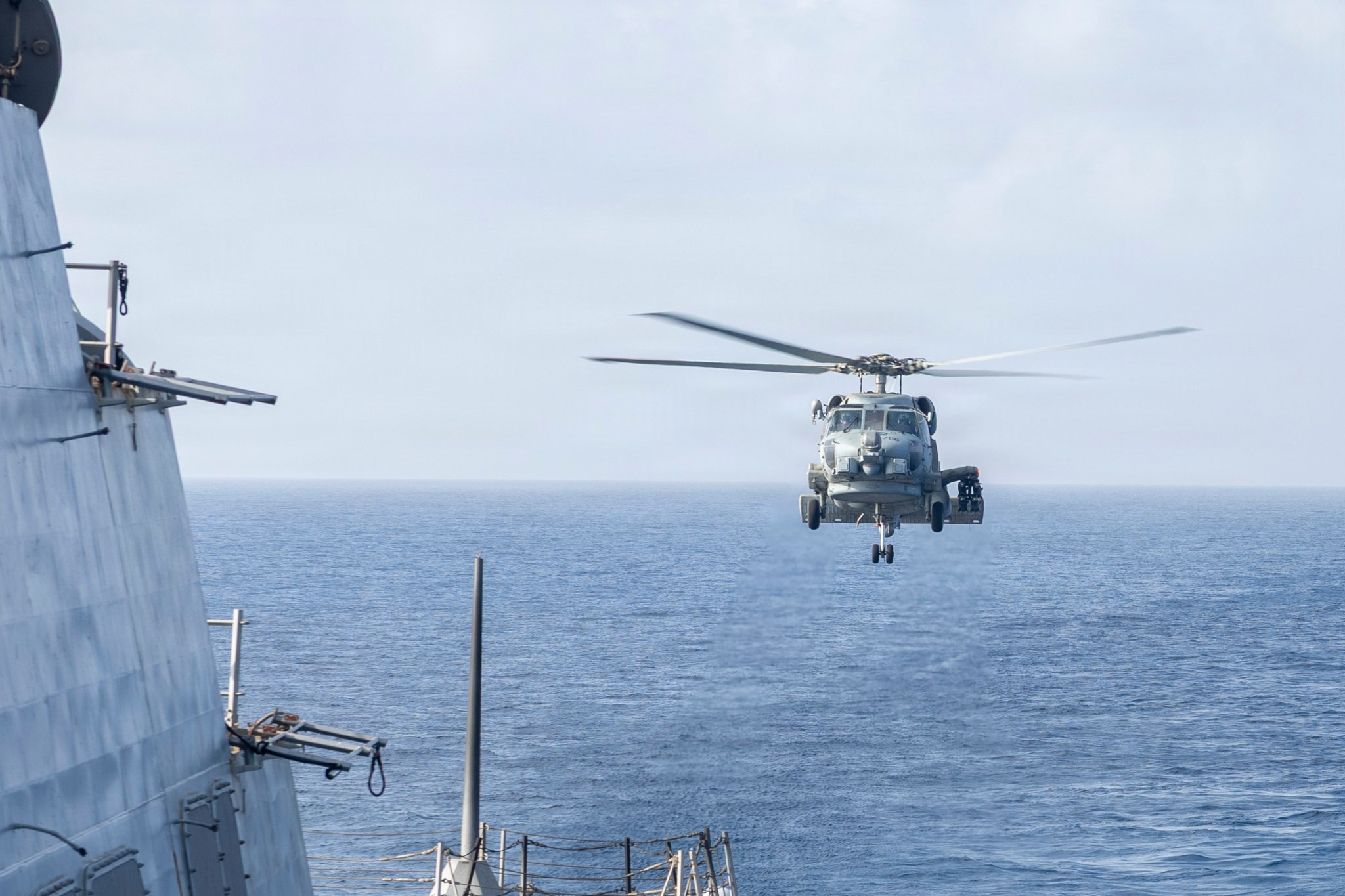
A source told Bloomberg that Iranian fast boats approached a group of transiting vessels before turning away when helicopters appeared. Ships that have crossed include some stranded in the Gulf since the war began, vessels from the UAE’s state oil company, and Qatari liquefied natural gas tankers. At least a quarter of the non-Iranian ships stuck in the Gulf have now left.
Many vessels are turning off their Automatic Identification Systems to avoid detection by Iran while crossing. U.S. military monitors traffic with radar, drones, and other tools and advises ships on when to disable AIS and how to respond to Iranian threats, sources told the Wall Street Journal.
A Greek supertanker carrying 2 million barrels of crude oil crossed earlier this week using the route near Oman’s coast. A Chinese-owned vessel loaded with fertilizer also exited recently along the Omani coast. The Islamic Revolutionary Guard Corps mined the main channel and created an alternate path through its territorial waters.
Most ships seeking to enter or exit have since sought IRGC approval. The IRGC has launched attacks into the Gulf and attempted to lay new underwater mines. U.S. Aircraft. Tehran created the Persian Gulf Strait Authority to formalize control. U.S. sanctioned the authority and warned that any deals with Iran for safe passage are prohibited.